


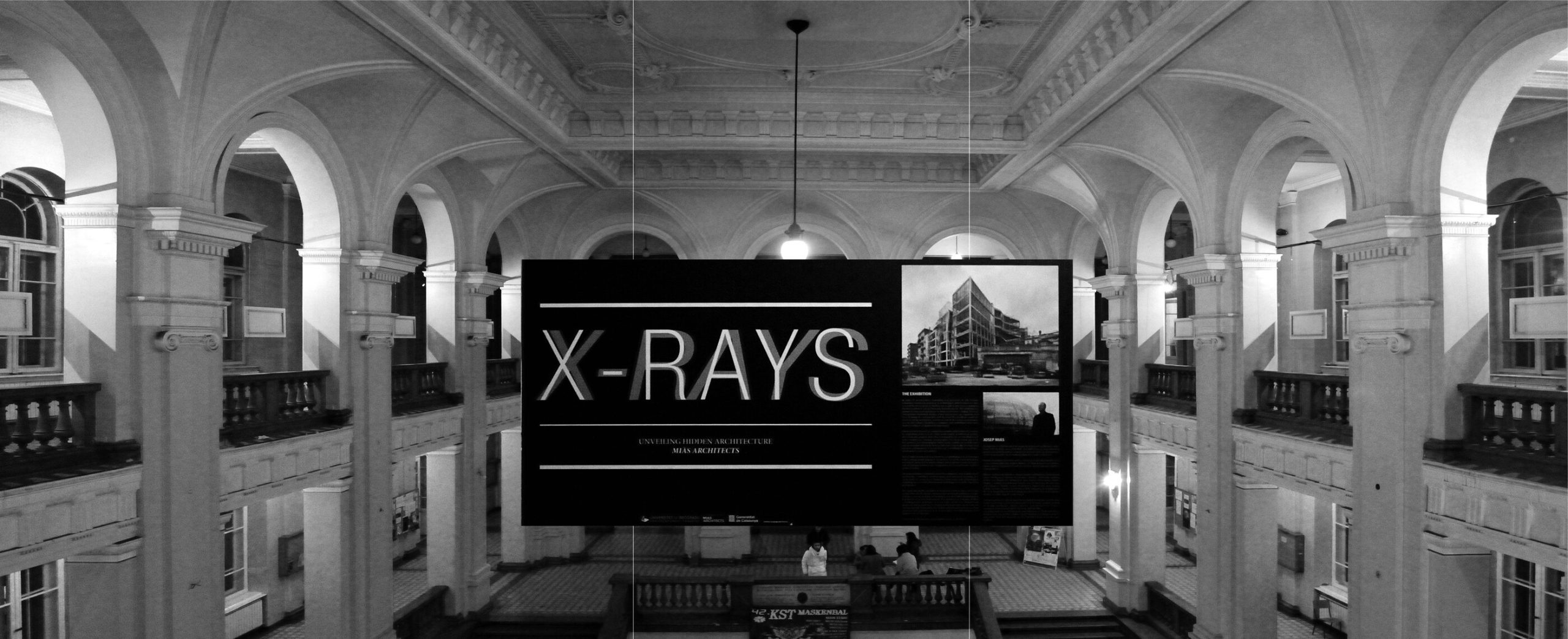
X-RAYS Exhibition Belgrade
Commissioner
University of Belgrade
Location
Belgrade, Serbia
Date
09.12.2015 – 07.01.2016
Surface
150 m²
Overview
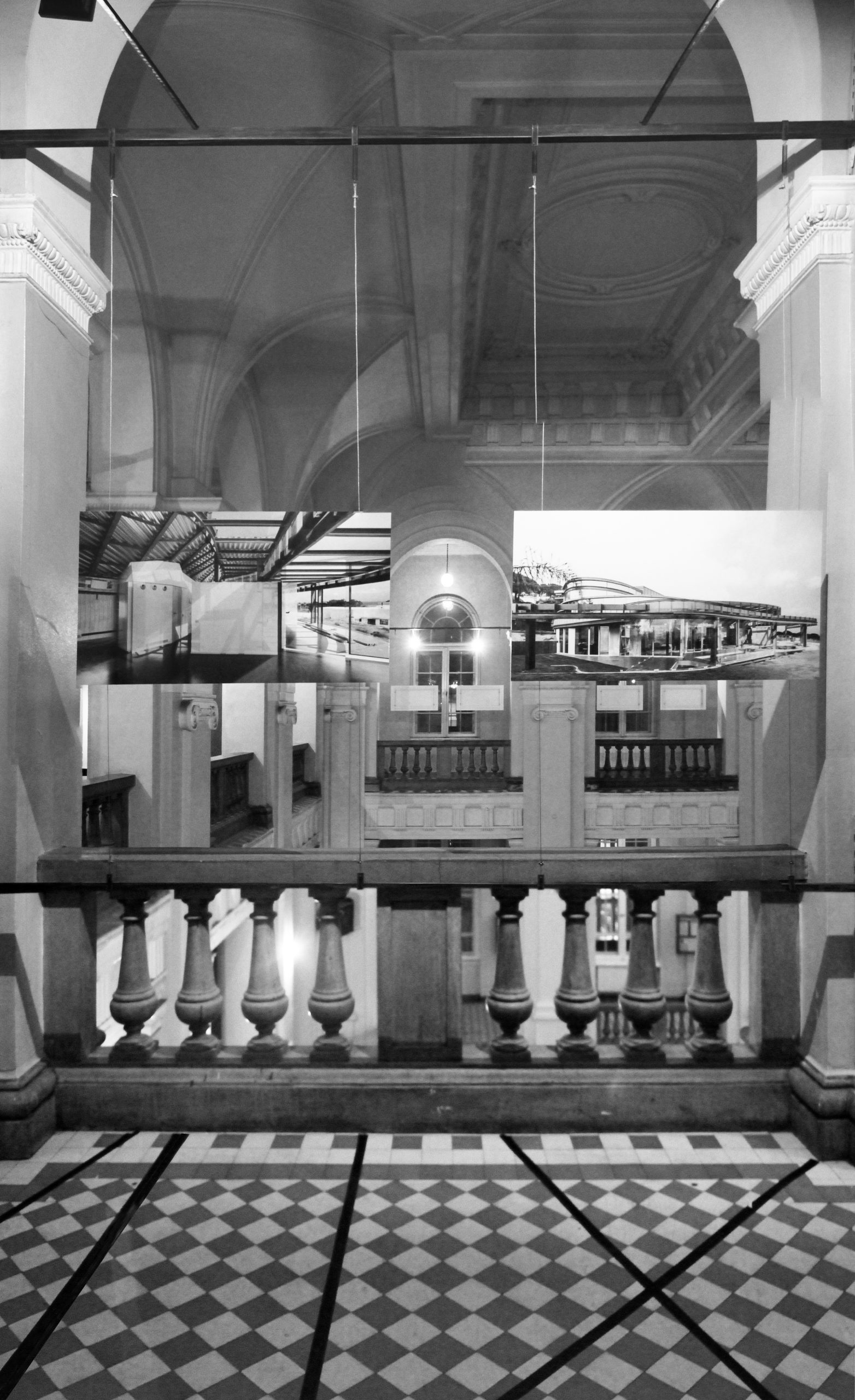
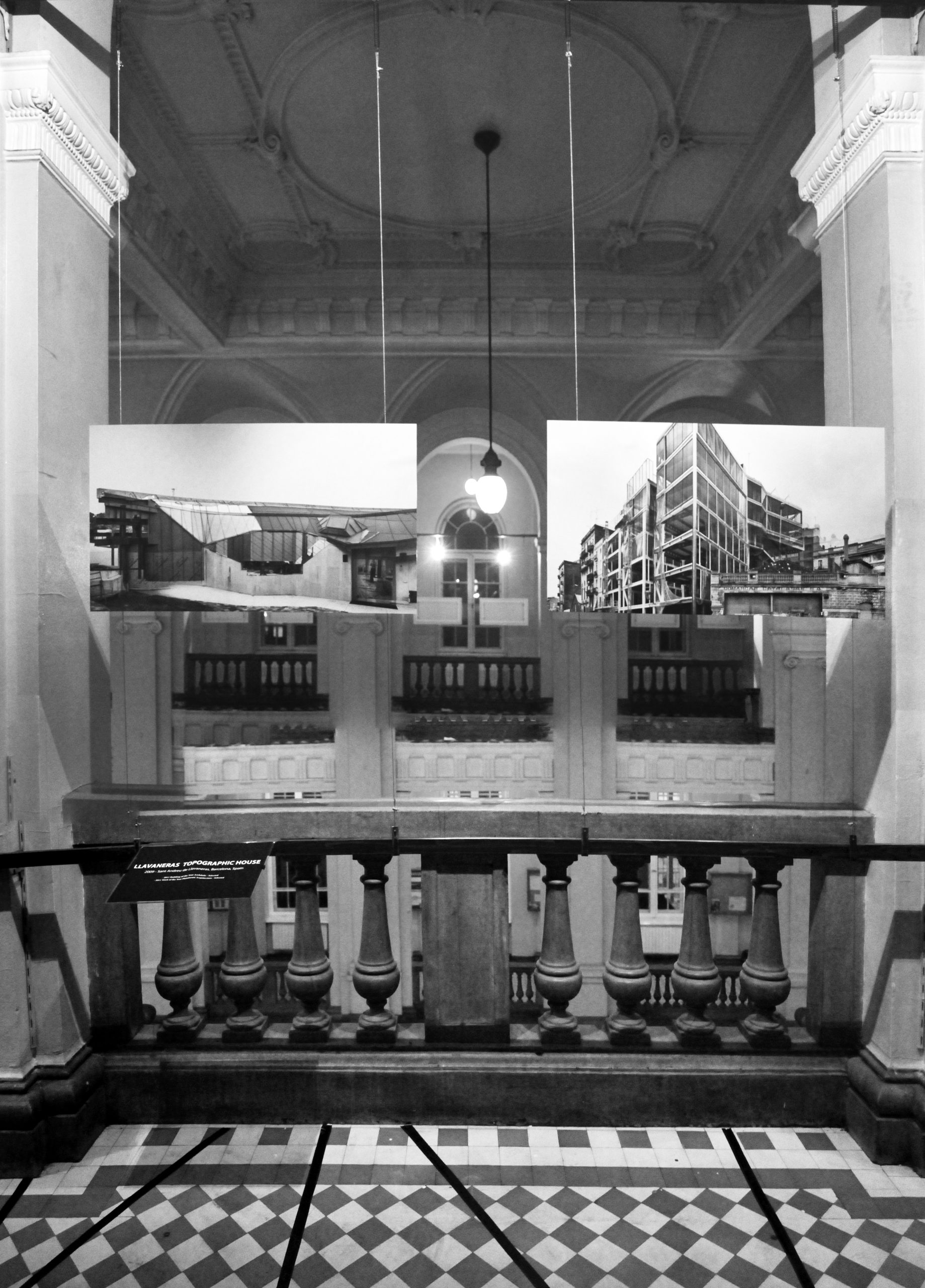
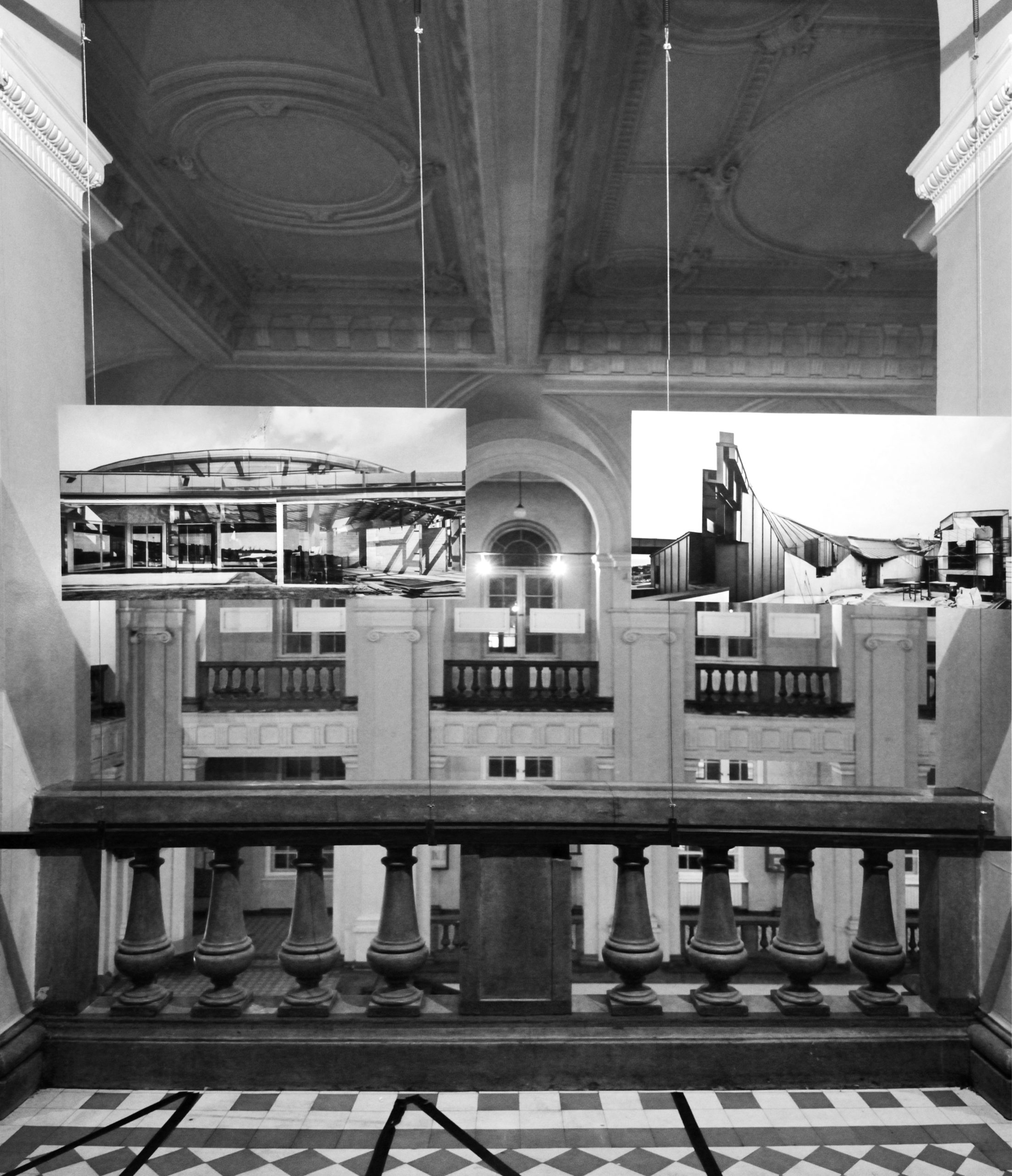
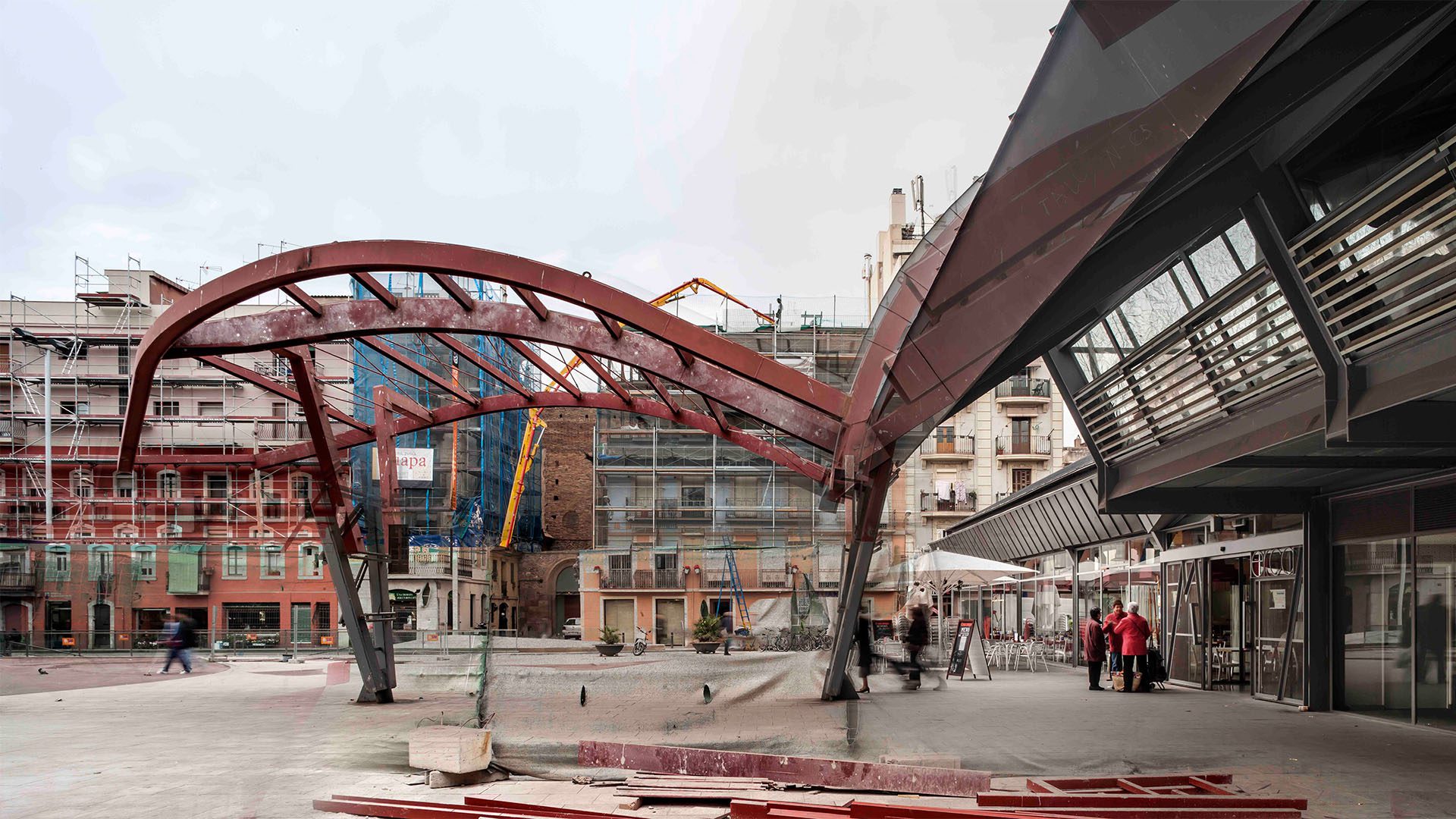
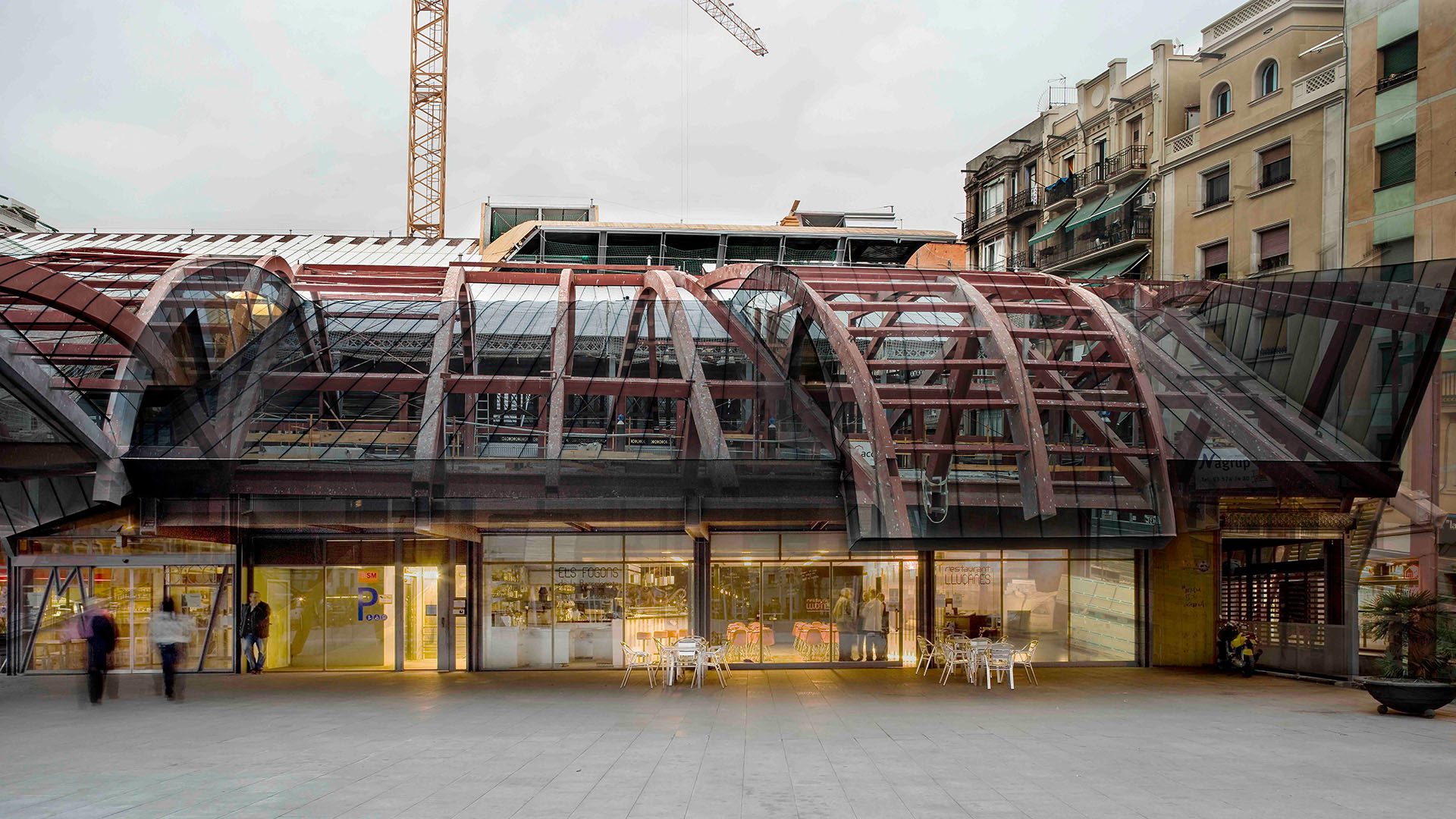
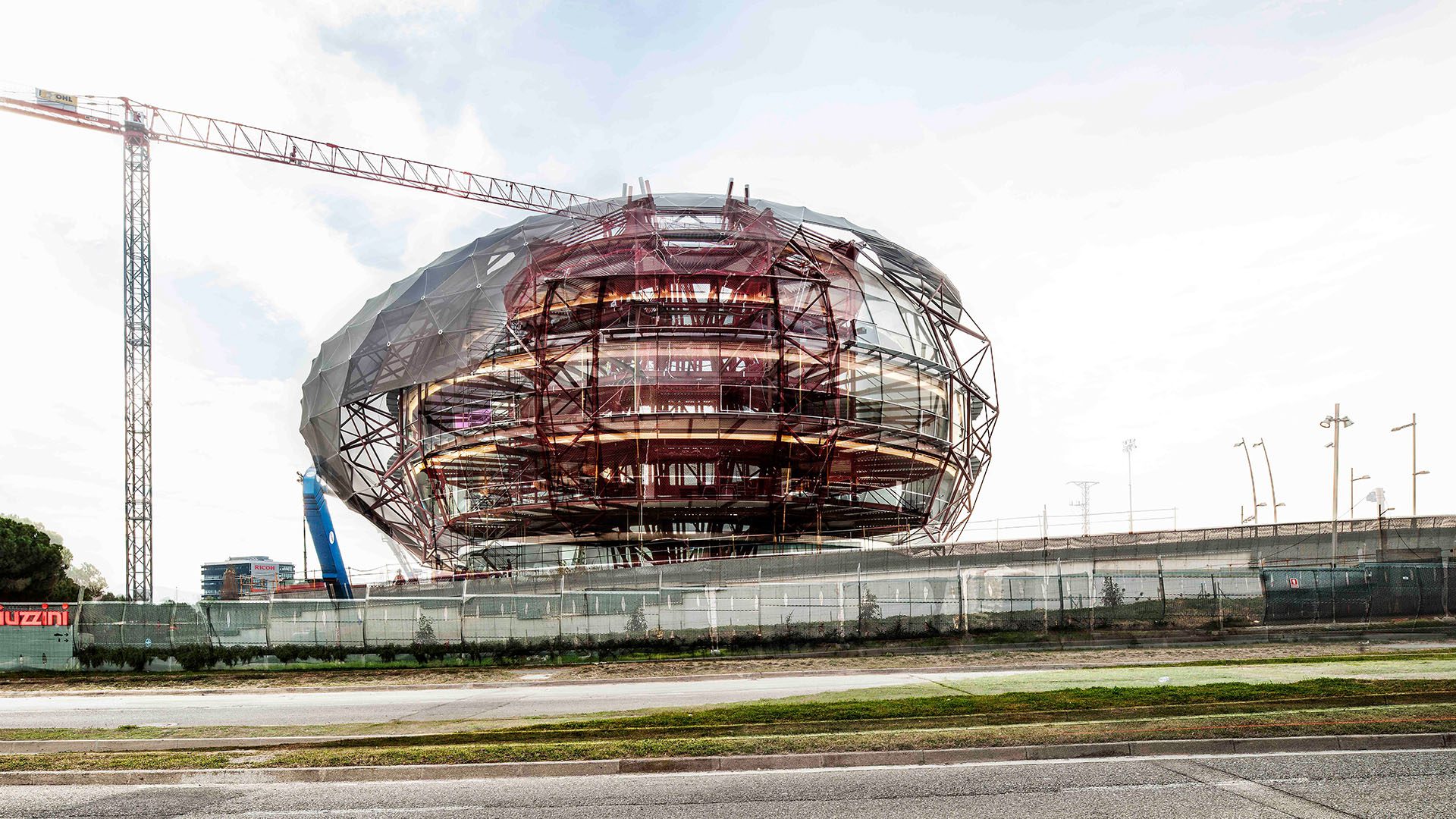
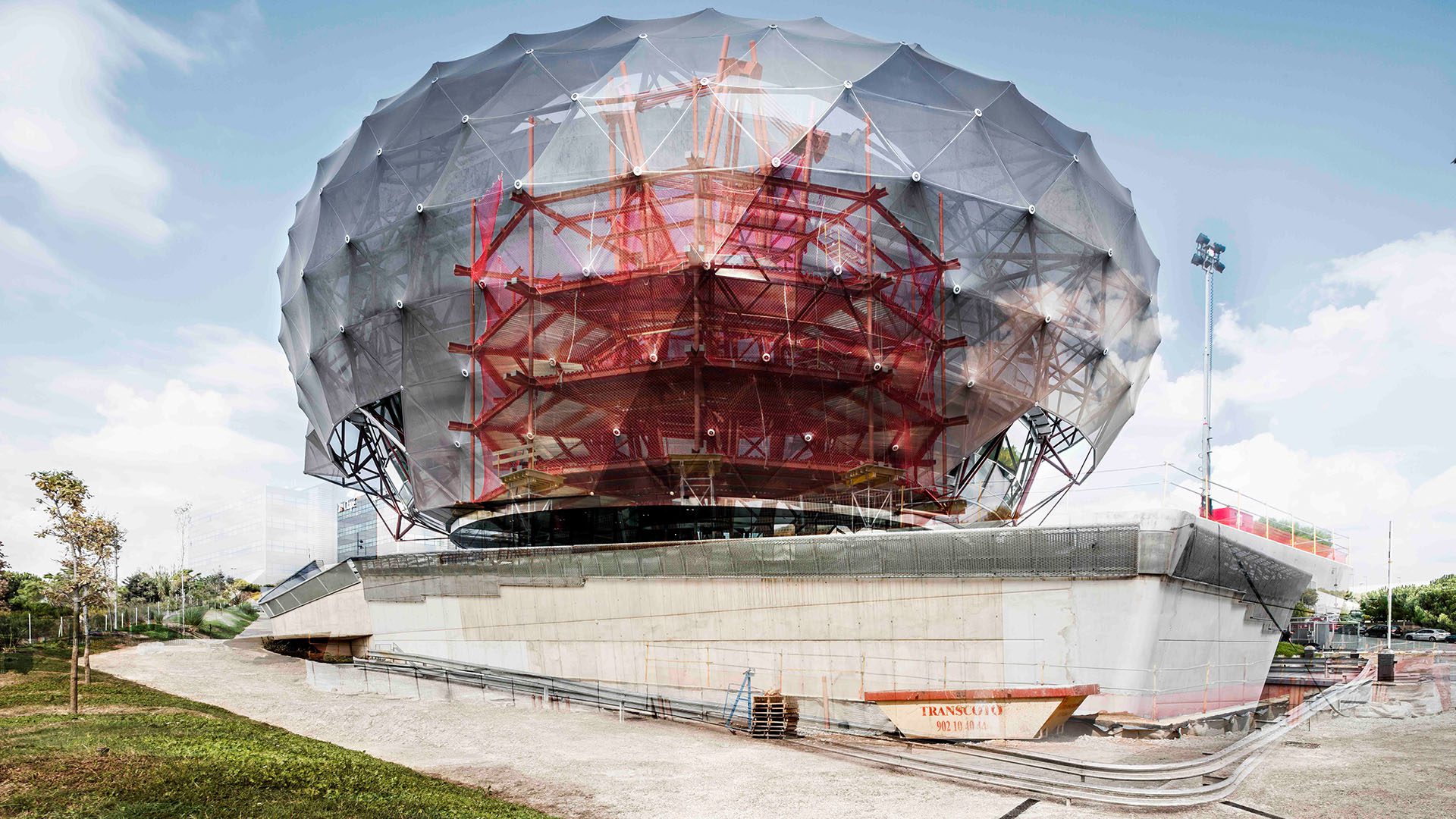
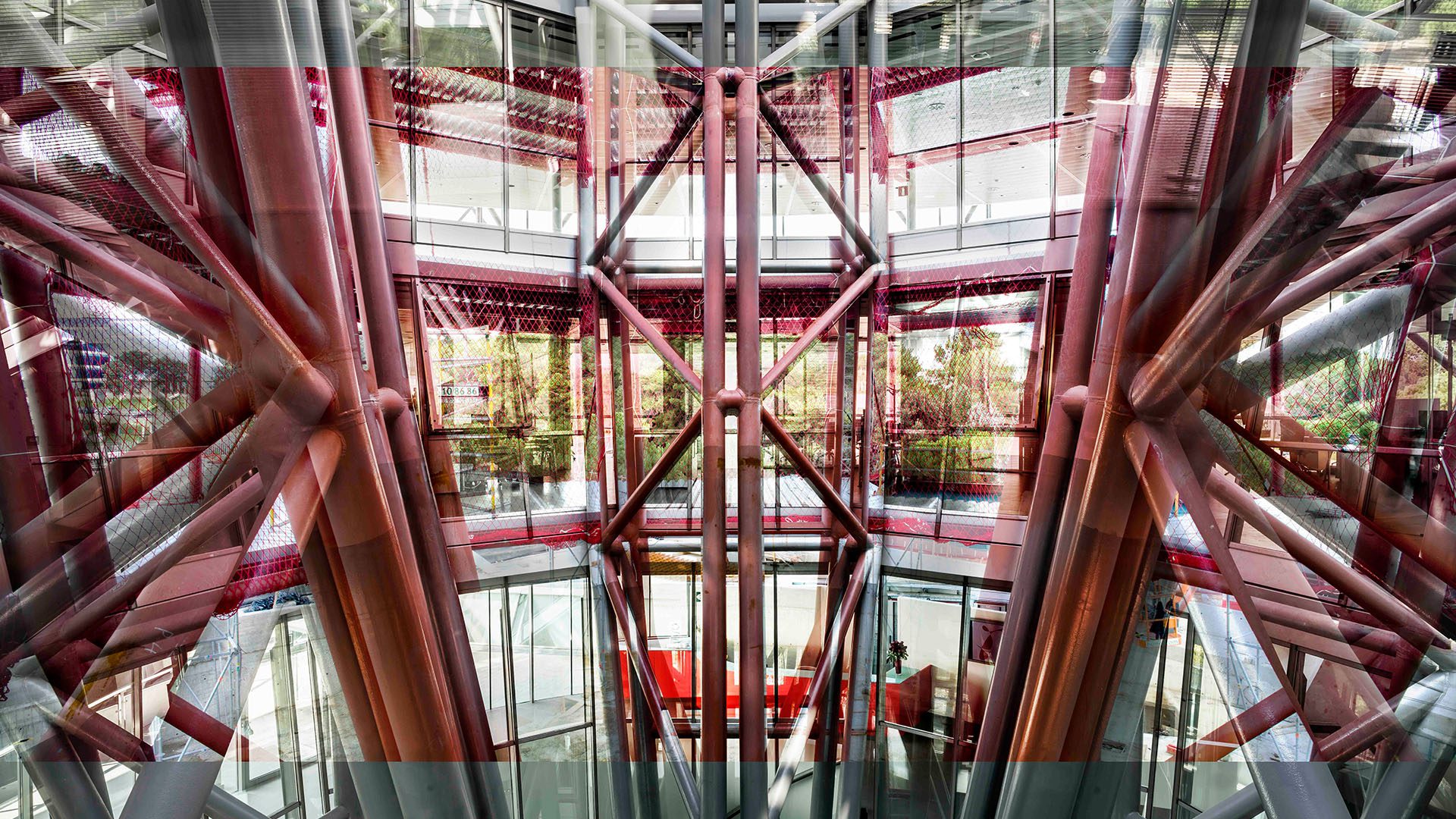
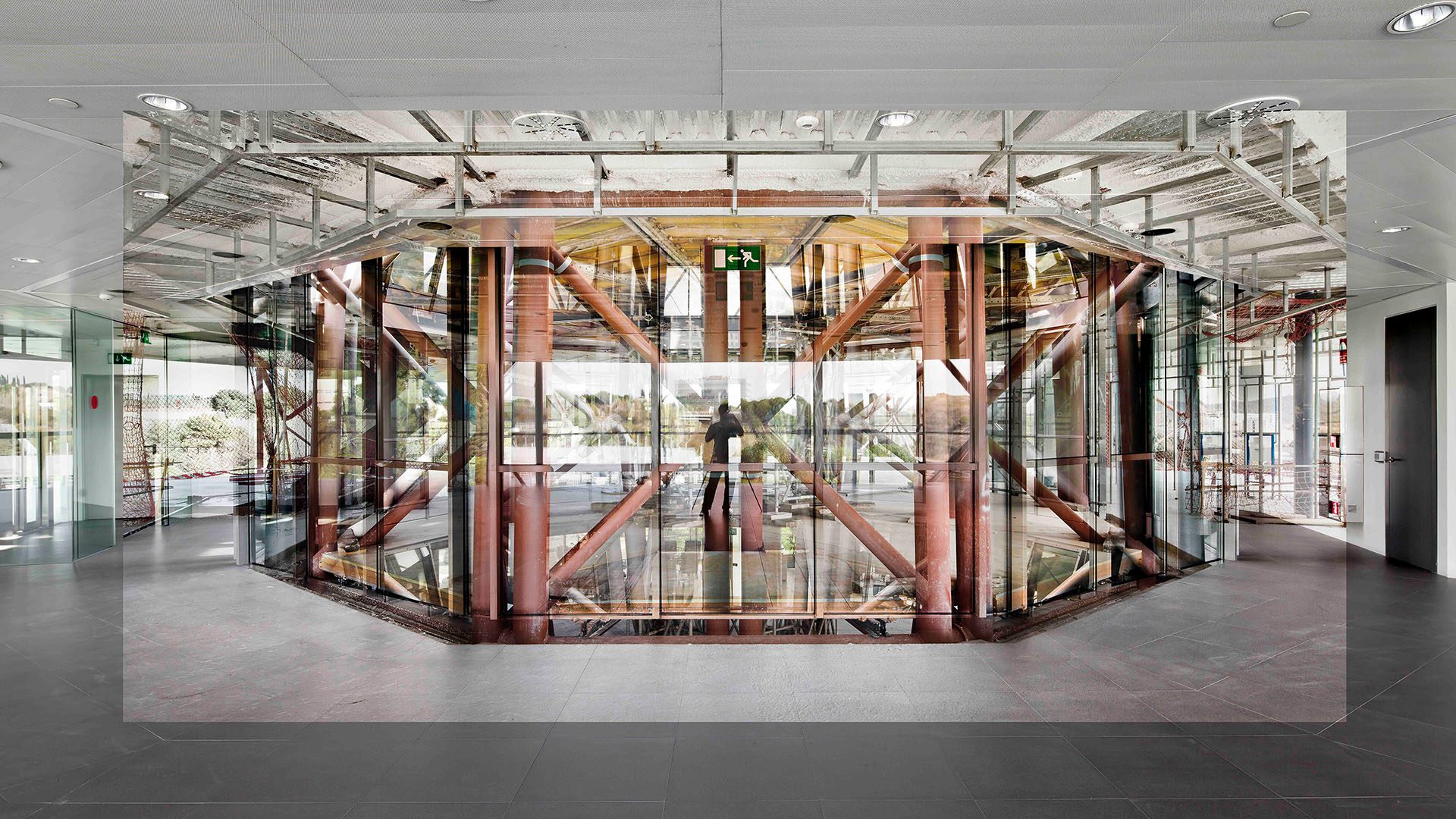
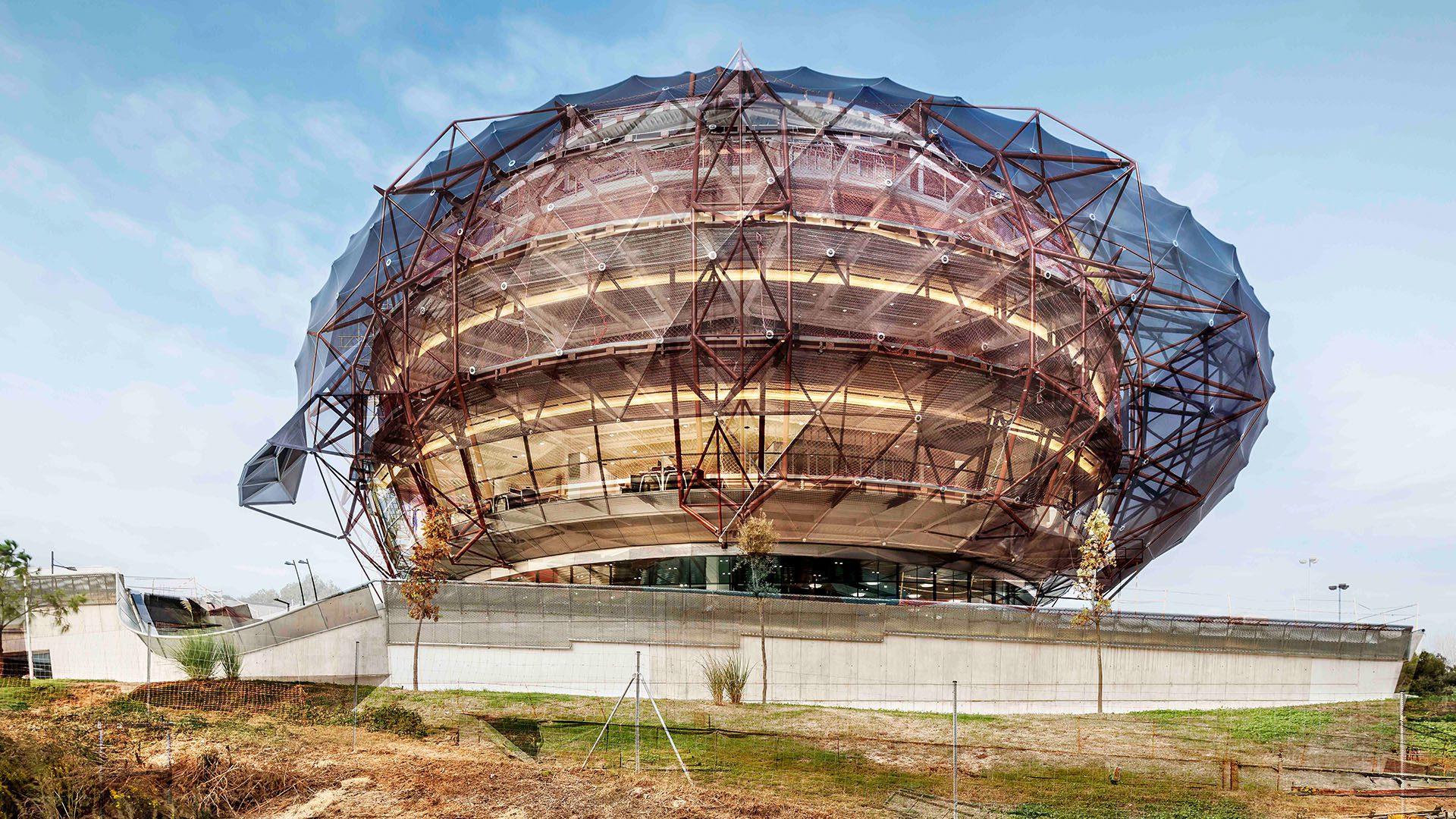
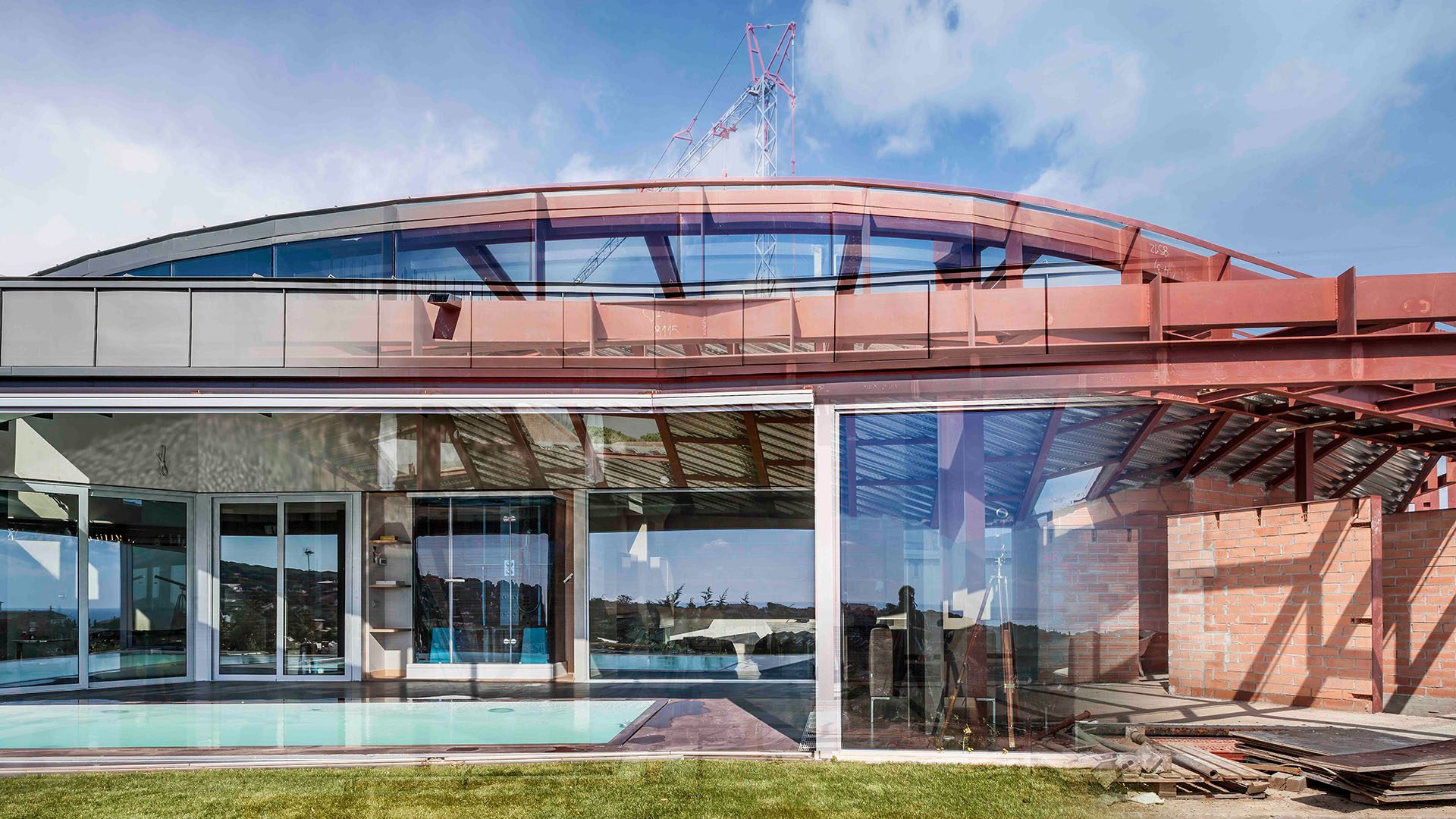
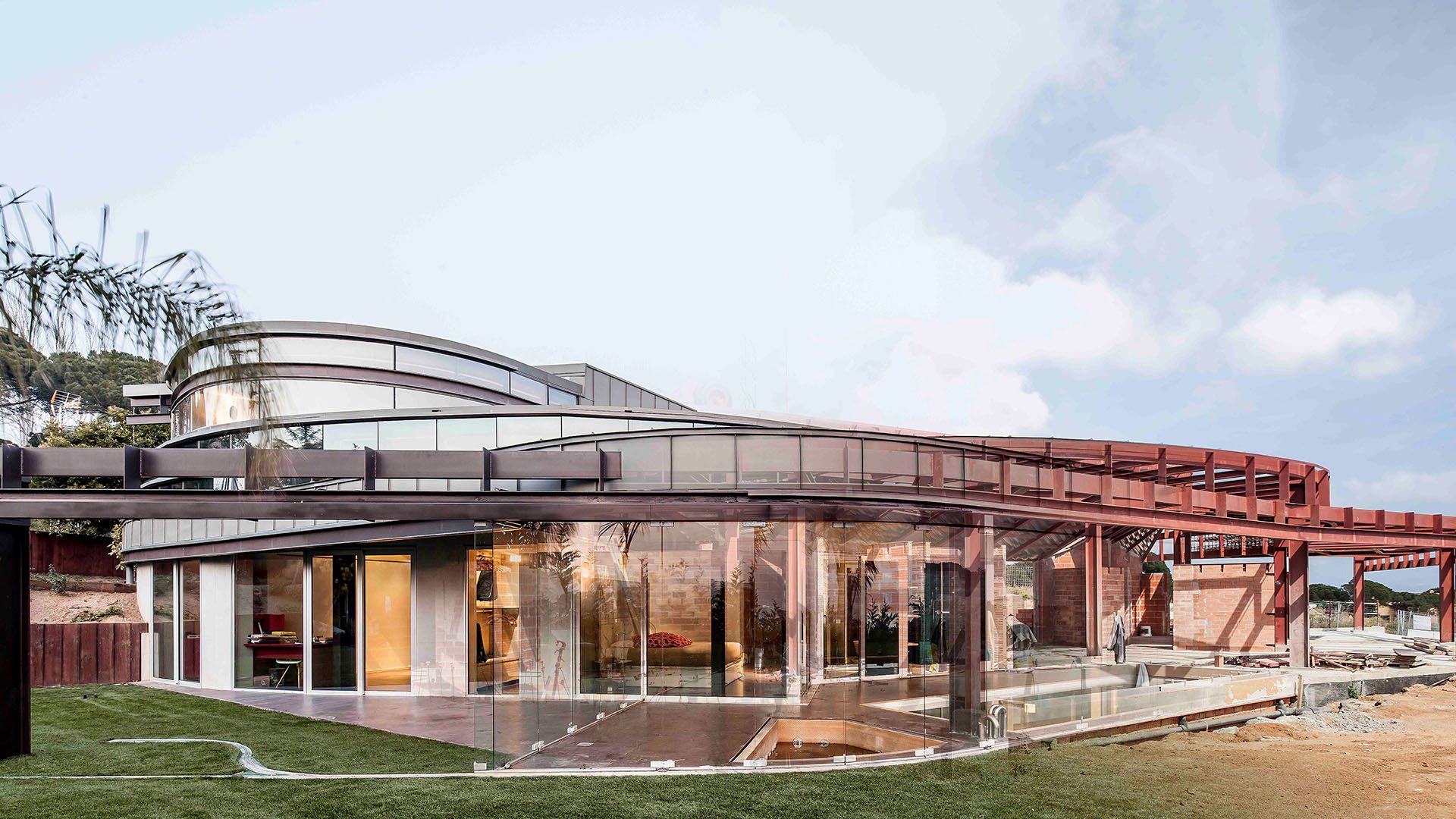
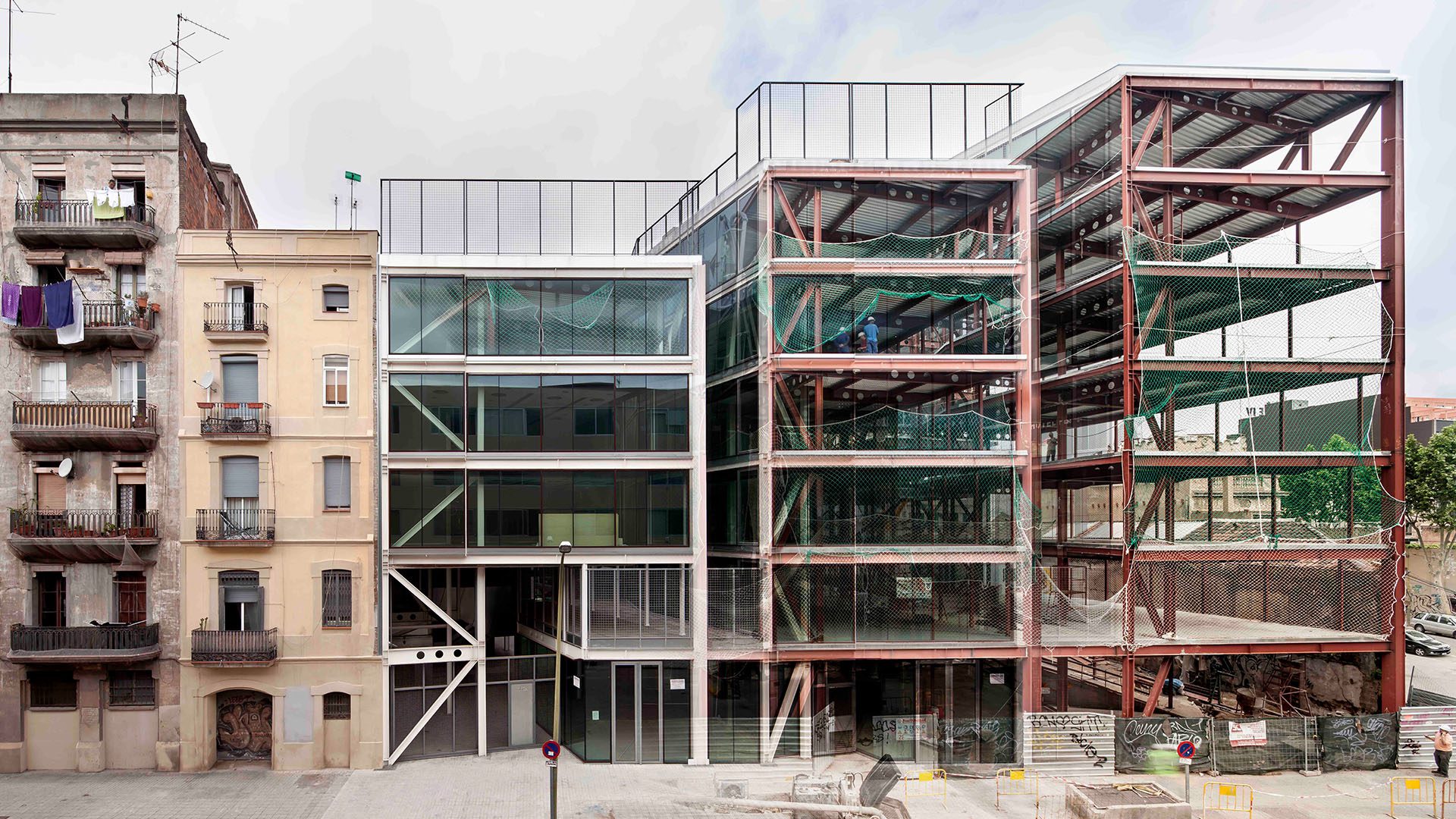
The exhibition proposal focuses on the exploration of what architecture is hiding. Through “transparent” big format images, where two pictures are superimposed (one showing the construction, and the other the result) we project what architecture condenses out of the urban environment, society and culture, rendering a complete and multidimensional new understanding of an apparently plain image.
MIAS Architects research is framed by a long-term activity, which registers daily professional architectural processes. By observing the projects from the construction site to the final result with external eyes through photography, this fresh vision, given by the architect and photographer Adrià Goula, enables us to rediscover and understand differently how architecture organically develops and becomes autonomous. These pictures are something like x-ray images, which unveil secrets in buildings.
The main aim of the exhibition is to unveil a hidden layer of existing architecture, which reveals a deeper understanding of what space, tectonics, society, visibility, technology and matter mean. What would happen if architecture became transparent? The awareness of structure, of what is holding matter and space, in a real scale, can be very eloquent and graphical. This perspective is related to the long-term research we are developing both in the professional and academic per course, focused on structures and construction as generative processes determining new adaptive use architecture.
The exhibition proposal focuses on the exploration of what architecture is hiding. Through “transparent” big format images, where two pictures are superimposed (one showing the construction, and the other the result) we project what architecture condenses out of the urban environment, society and culture, rendering a complete and multidimensional new understanding of an apparently plain image.
MIAS Architects research is framed by a long-term activity, which registers daily professional architectural processes. By observing the projects from the construction site to the final result with external eyes through photography, this fresh vision, given by the architect and photographer Adrià Goula, enables us to rediscover and understand differently how architecture organically develops and becomes autonomous. These pictures are something like x-ray images, which unveil secrets in buildings.
The main aim of the exhibition is to unveil a hidden layer of existing architecture, which reveals a deeper understanding of what space, tectonics, society, visibility, technology and matter mean. What would happen if architecture became transparent? The awareness of structure, of what is holding matter and space, in a real scale, can be very eloquent and graphical. This perspective is related to the long-term research we are developing both in the professional and academic per course, focused on structures and construction as generative processes determining new adaptive use architecture.
The exhibition proposal focuses on the exploration of what architecture is hiding. Through “transparent” big format images, where two pictures are superimposed (one showing the construction, and the other the result) we project what architecture condenses out of the urban environment, society and culture, rendering a complete and multidimensional new understanding of an apparently plain image.
MIAS Architects research is framed by a long-term activity, which registers daily professional architectural processes. By observing the projects from the construction site to the final result with external eyes through photography, this fresh vision, given by the architect and photographer Adrià Goula, enables us to rediscover and understand differently how architecture organically develops and becomes autonomous. These pictures are something like x-ray images, which unveil secrets in buildings.
The main aim of the exhibition is to unveil a hidden layer of existing architecture, which reveals a deeper understanding of what space, tectonics, society, visibility, technology and matter mean. What would happen if architecture became transparent? The awareness of structure, of what is holding matter and space, in a real scale, can be very eloquent and graphical. This perspective is related to the long-term research we are developing both in the professional and academic per course, focused on structures and construction as generative processes determining new adaptive use architecture.
Data
Team
Cristina Herrero