Open Competition, Winner
Banyoles Old Town Refurbishment
Client
Banyoles City Council
Location
Banyoles, Spain
Year
1998-2010
Surface
18000 m²
Awards
2015 AADIPA Architects Association for Defence and Intervention in Architectural Heritage Awards – Finalist
2015 Taipei City Government, International Design Awards – Finalist
2014 Piranesi Prix de Rome – Finalist
2013 Taipei City Government, International Design Awards – Finalist
2013 International Stone Architecture Awards – Winner
2011 Plataforma Arquitectura Work of the Year – Selected
2010 FAD Awards, Public Space – Finalist
2009 Catalonia Construction Awards – Winner
2008 CCCB Urban, European Prize for Public Space – Finalist
2008 Barcelona International Biennial of Landscape Architecture, Rosa Barba Prize – Finalist
2008 Urban Public Spaces European Prize – Finalist
2007 COAC Girona, Girona Area Architectural Awards for Public Space – Winner
Awards
2015 AADIPA Architects Association for Defence and Intervention in Architectural Heritage Awards – Finalist
2015 Taipei City Government, International Design Awards – Finalist
2014 Piranesi Prix de Rome – Finalist
2013 Taipei City Government, International Design Awards – Finalist
2013 International Stone Architecture Awards – Winner
2011 Plataforma Arquitectura Work of the Year – Selected
2010 FAD Awards, Public Space – Finalist
2009 Catalonia Construction Awards – Winner
2008 CCCB Urban, European Prize for Public Space – Finalist
2008 Barcelona International Biennial of Landscape Architecture, Rosa Barba Prize – Finalist
2008 Urban Public Spaces European Prize – Finalist
2007 COAC Girona, Girona Area Architectural Awards for Public Space – Winner

Overview
Overview
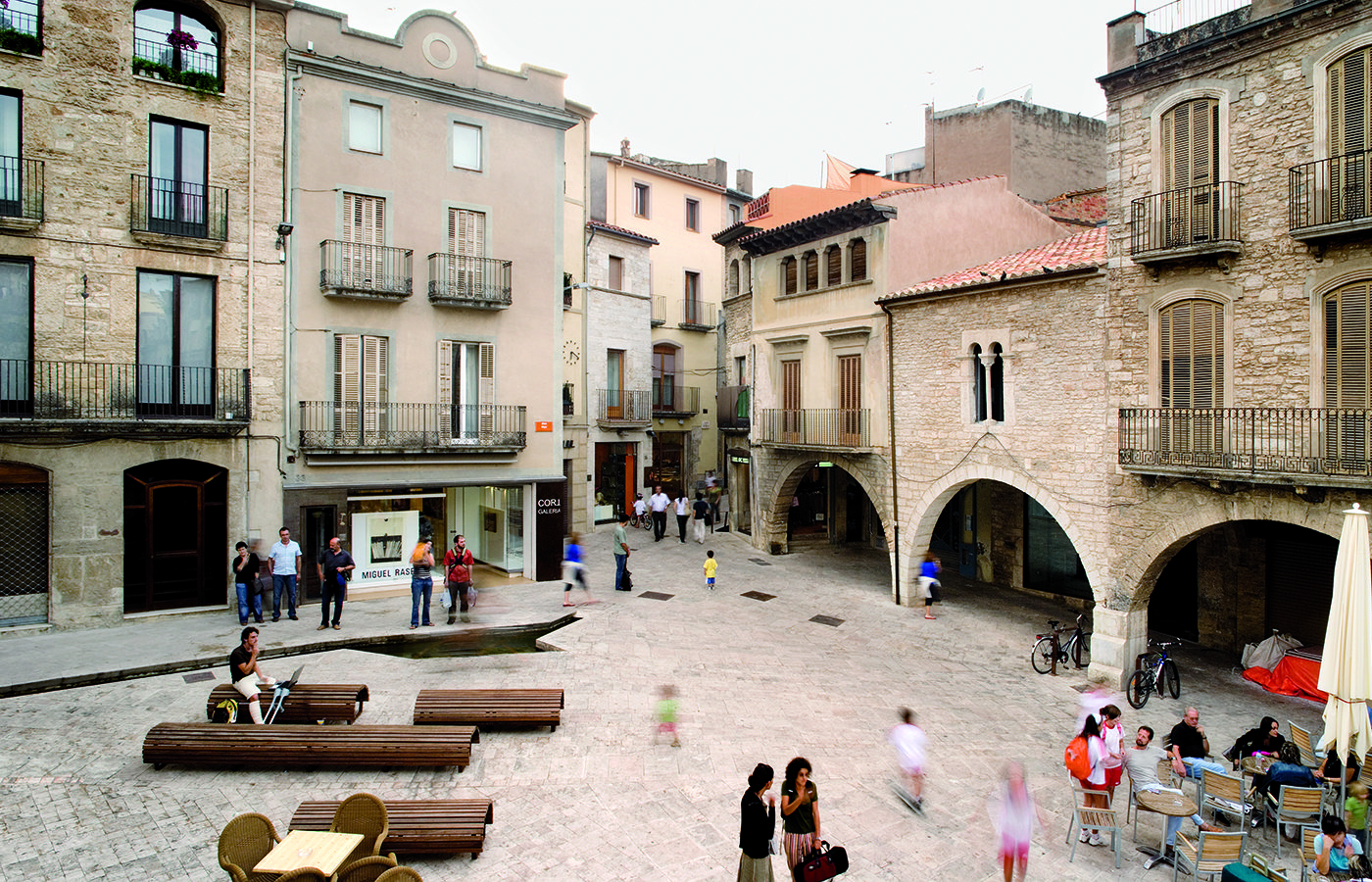
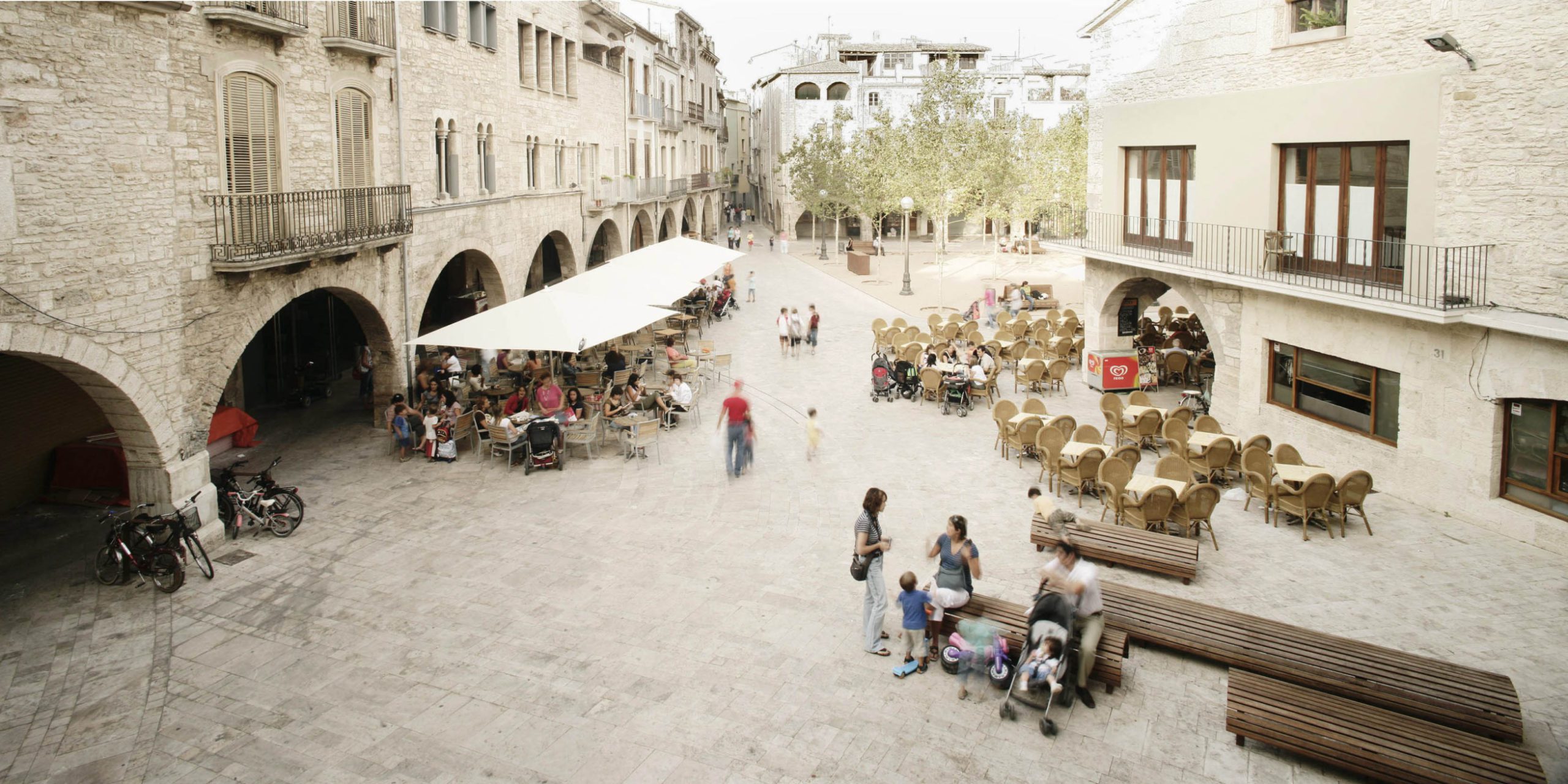
Banyoles’ old town used to be a deteriorated area in which vehicles and pedestrians cohabitated around an urban system of narrow streets and old sidewalks.
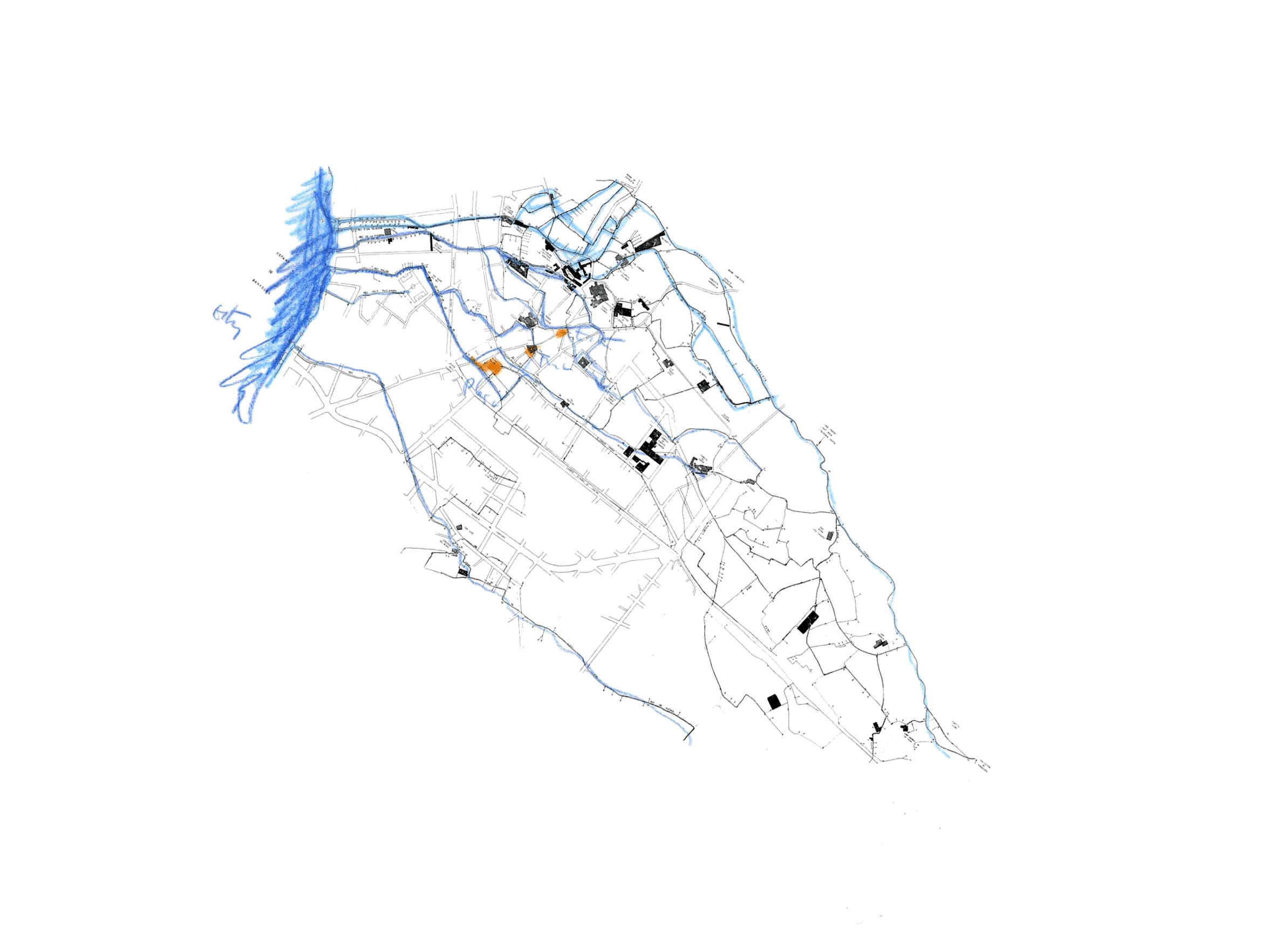
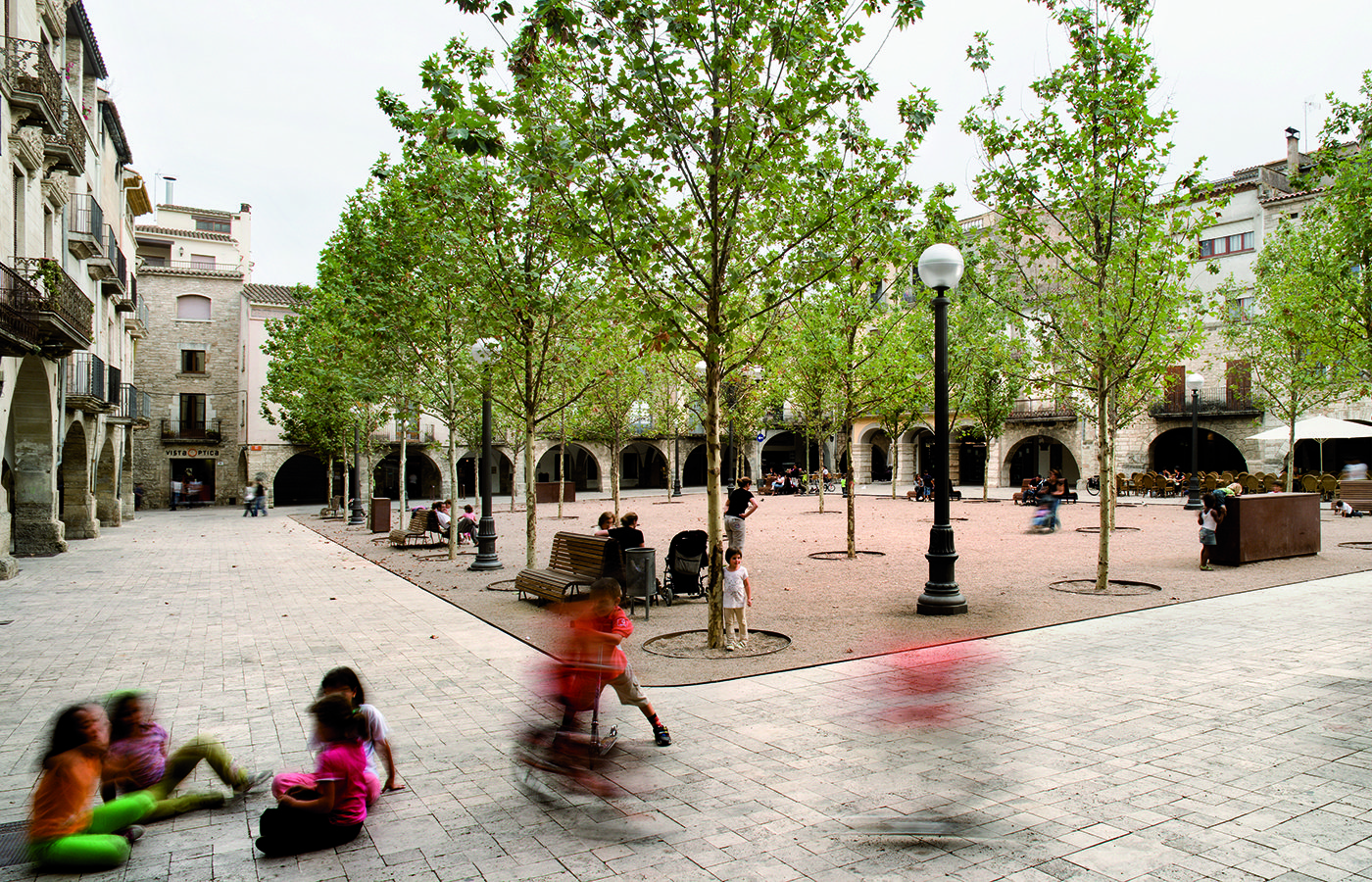
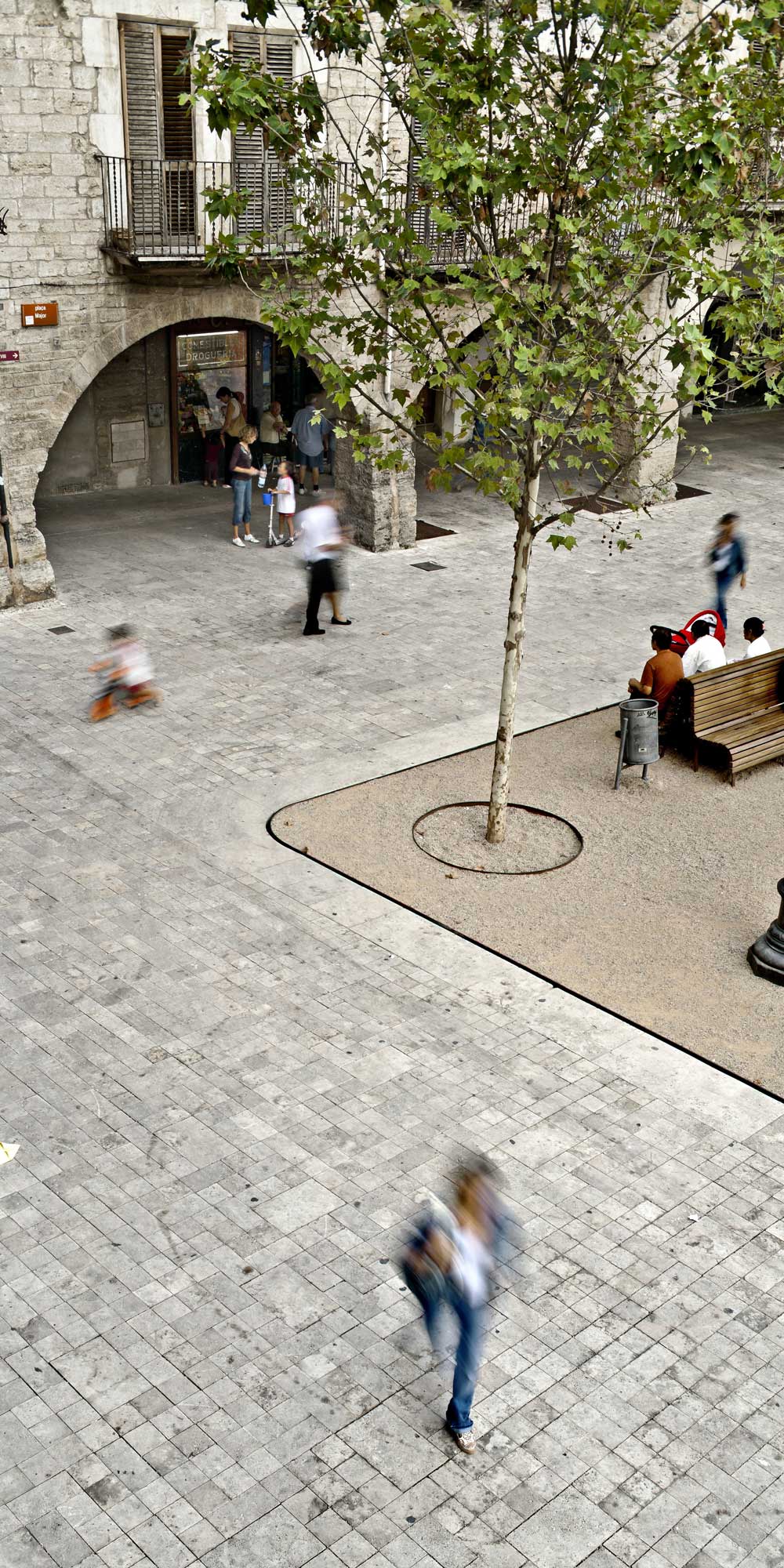
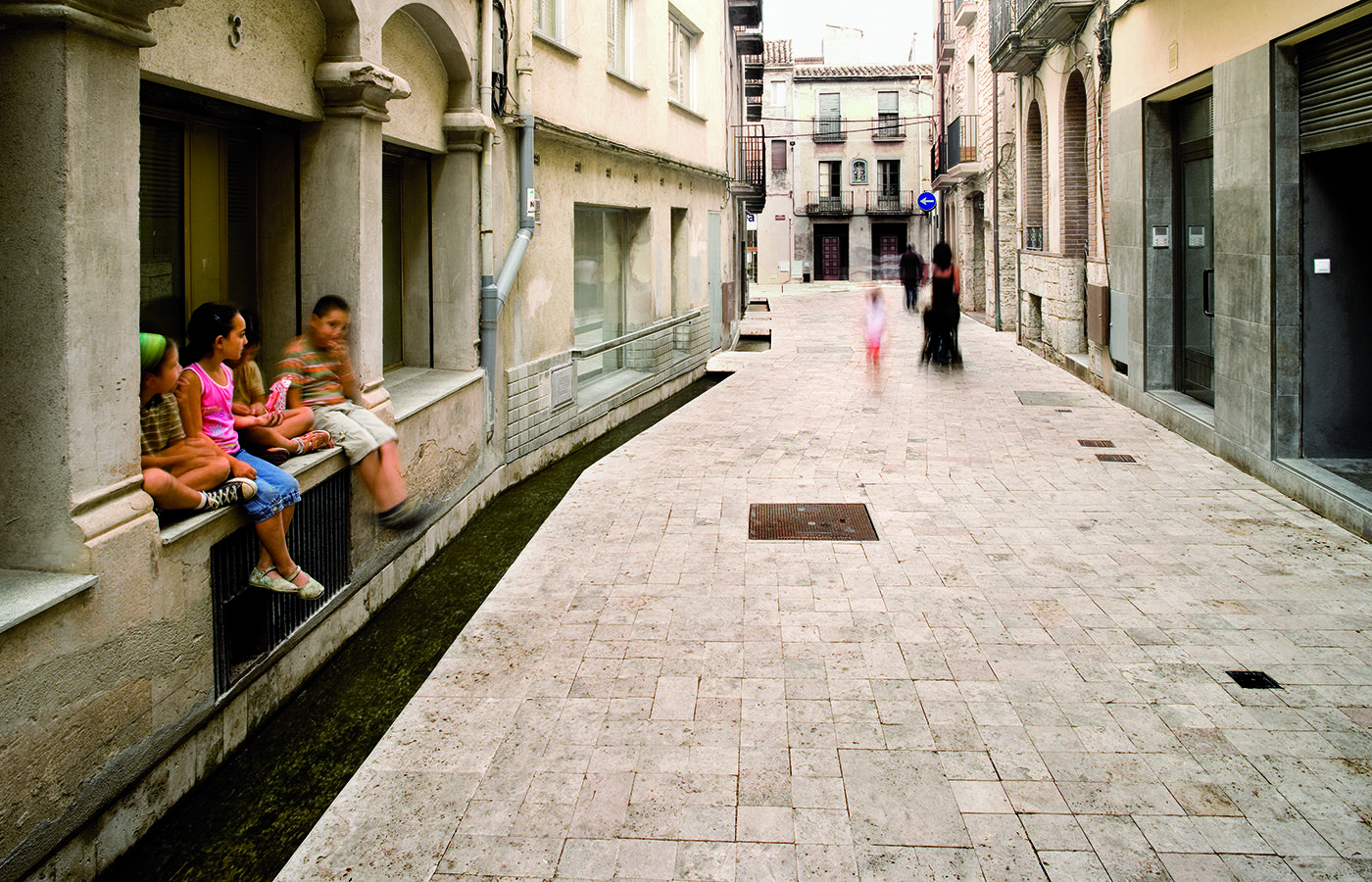
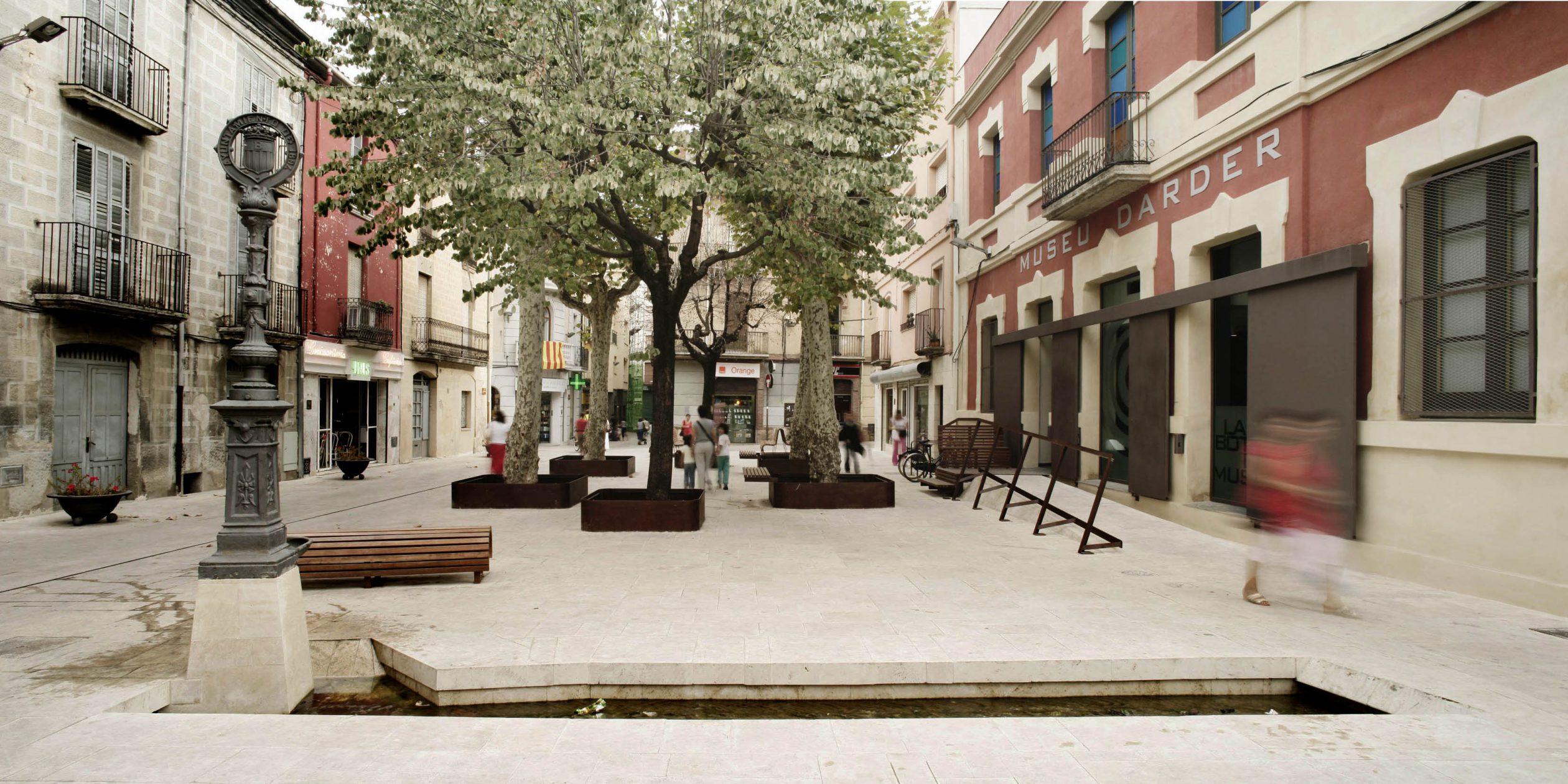
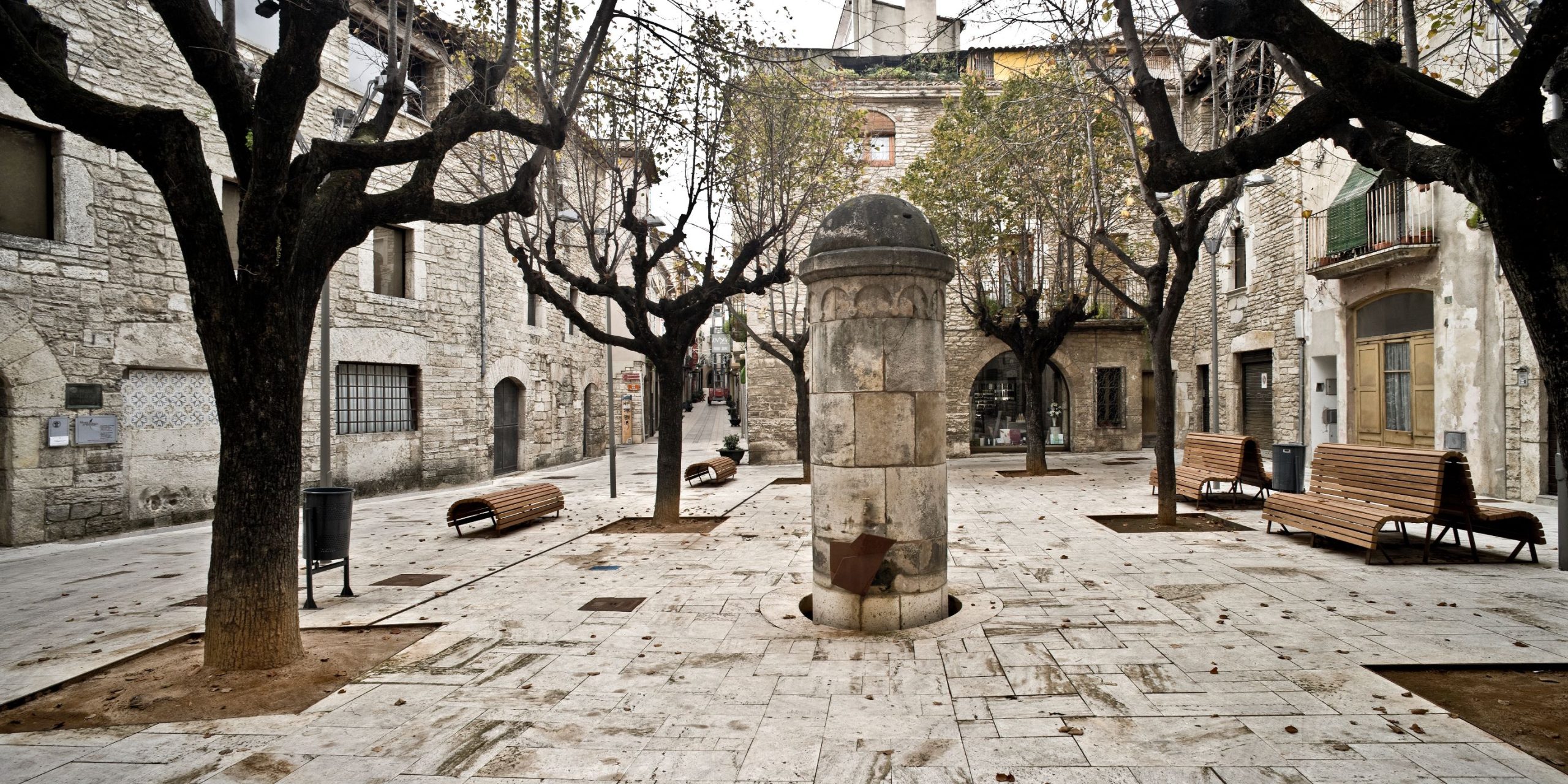
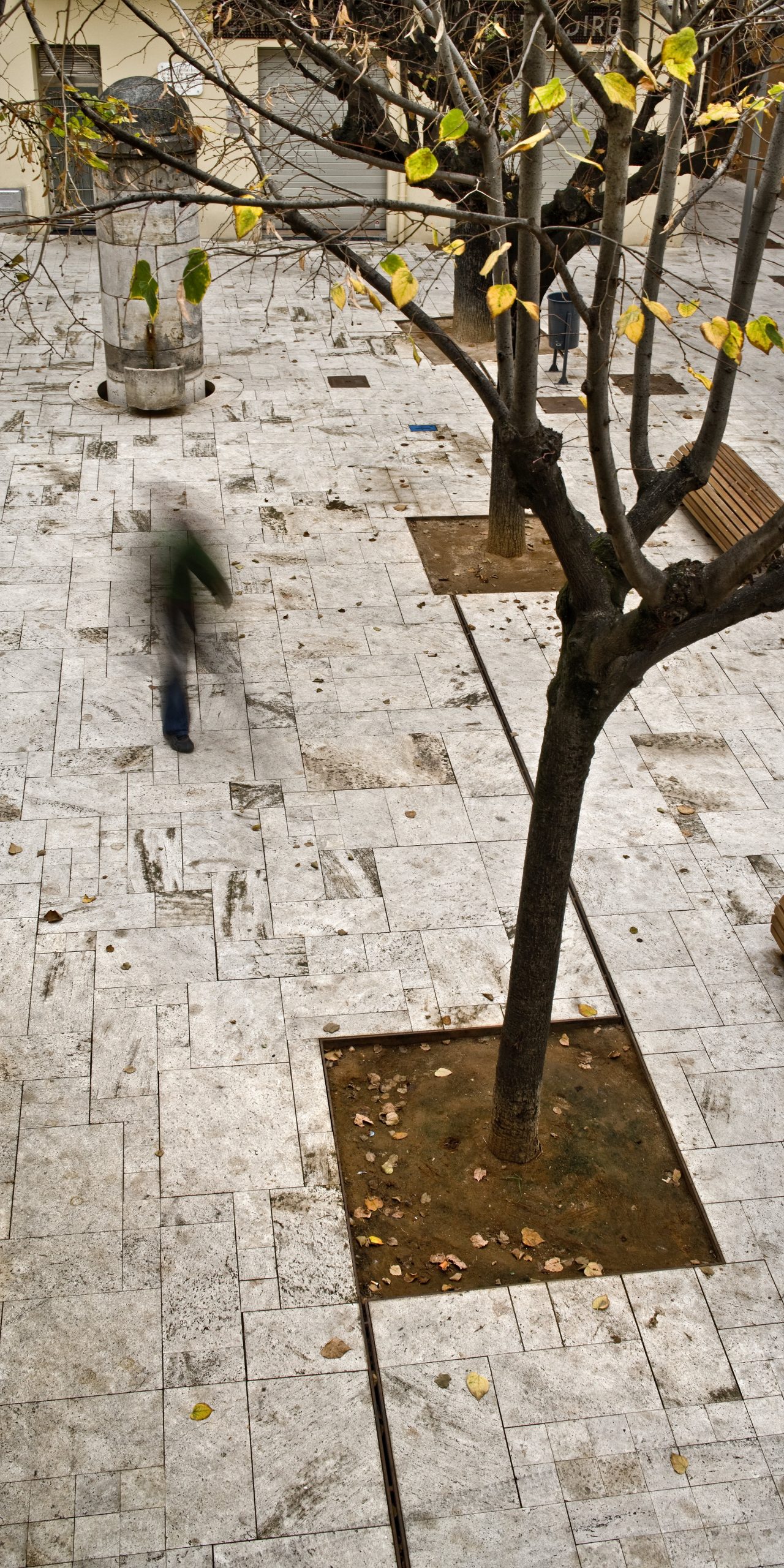
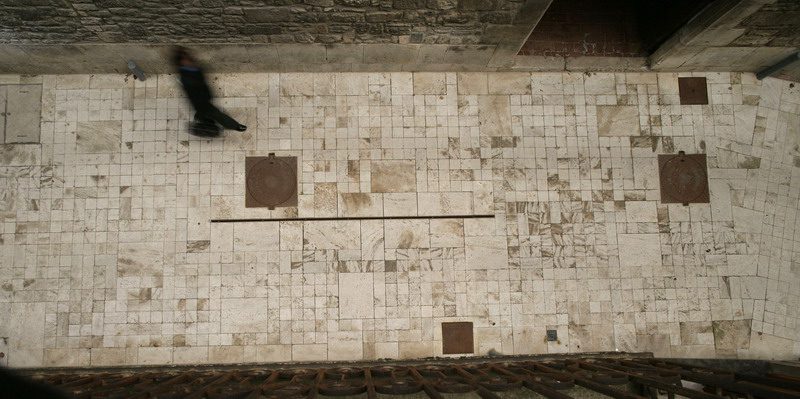
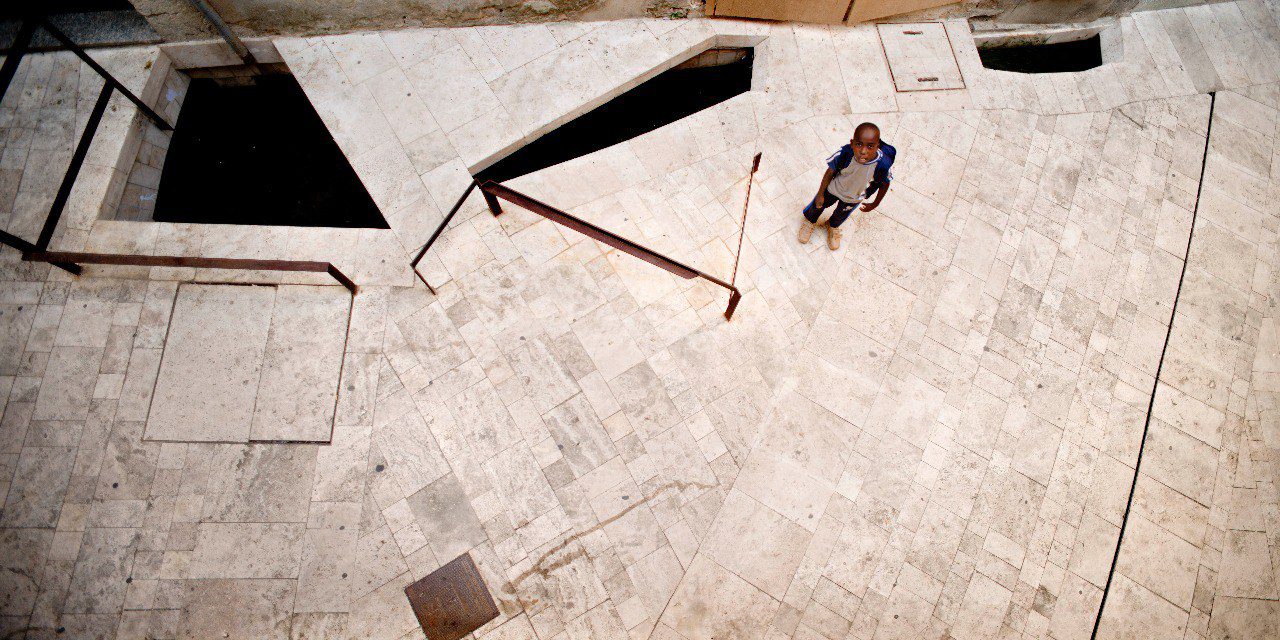
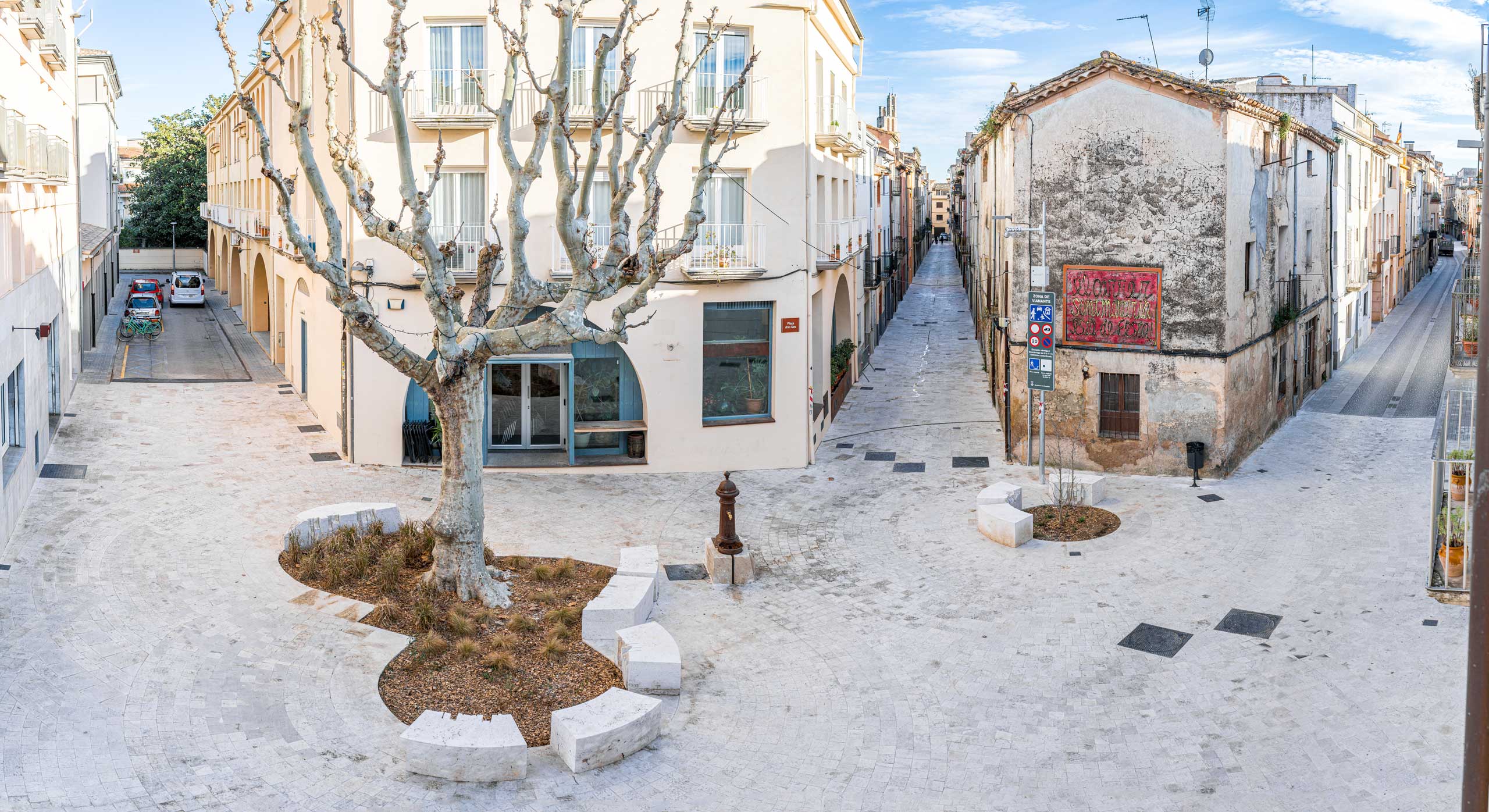
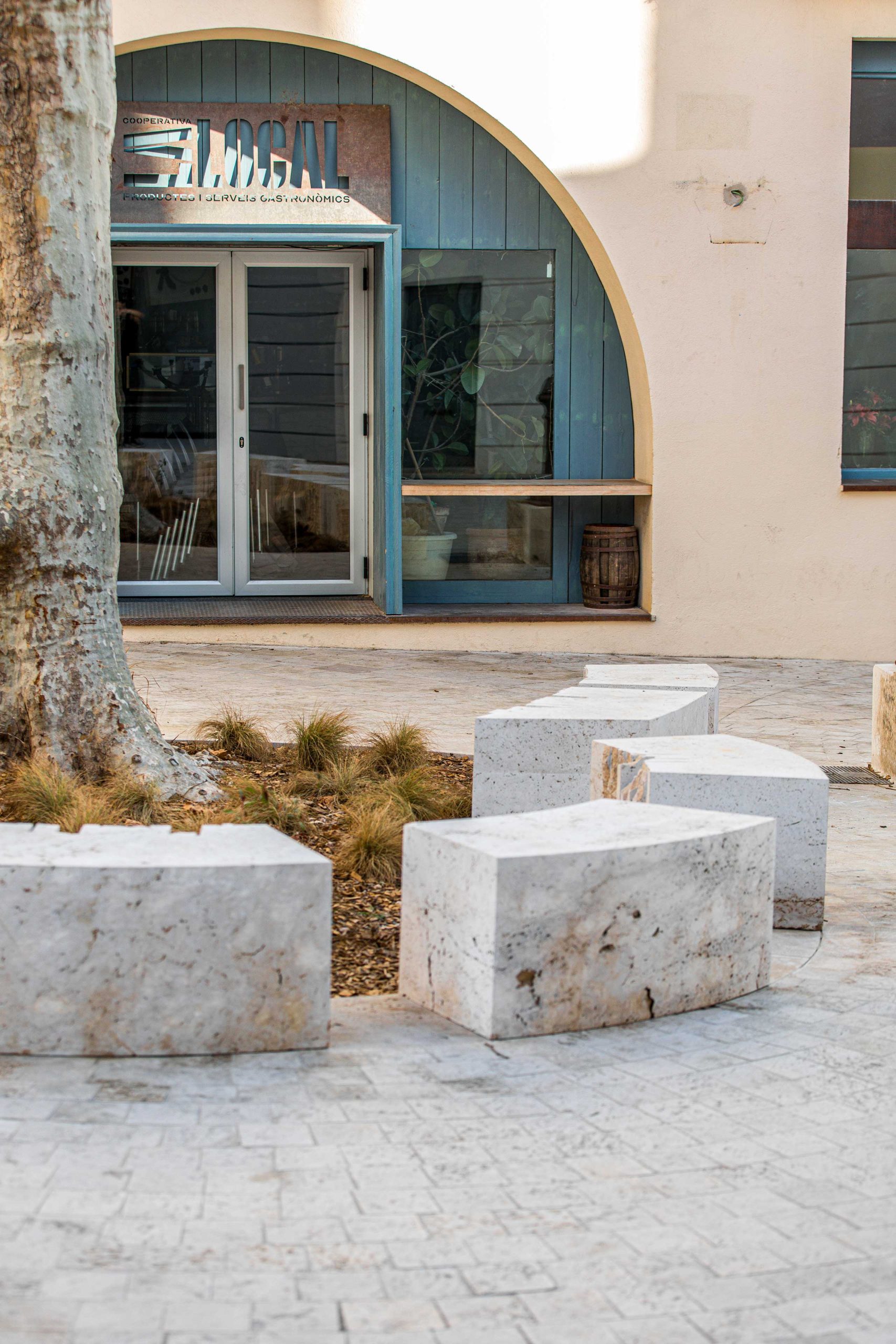
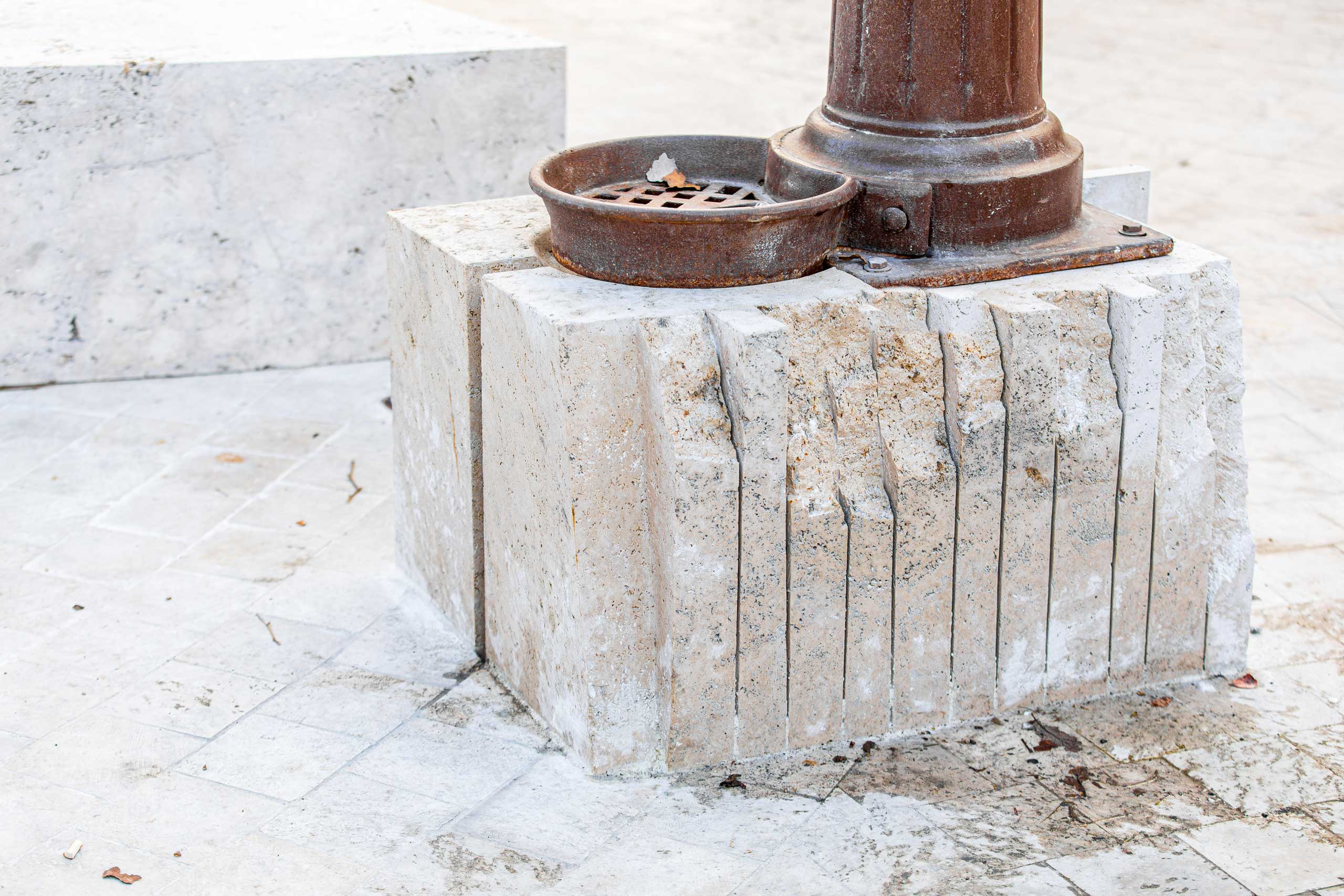
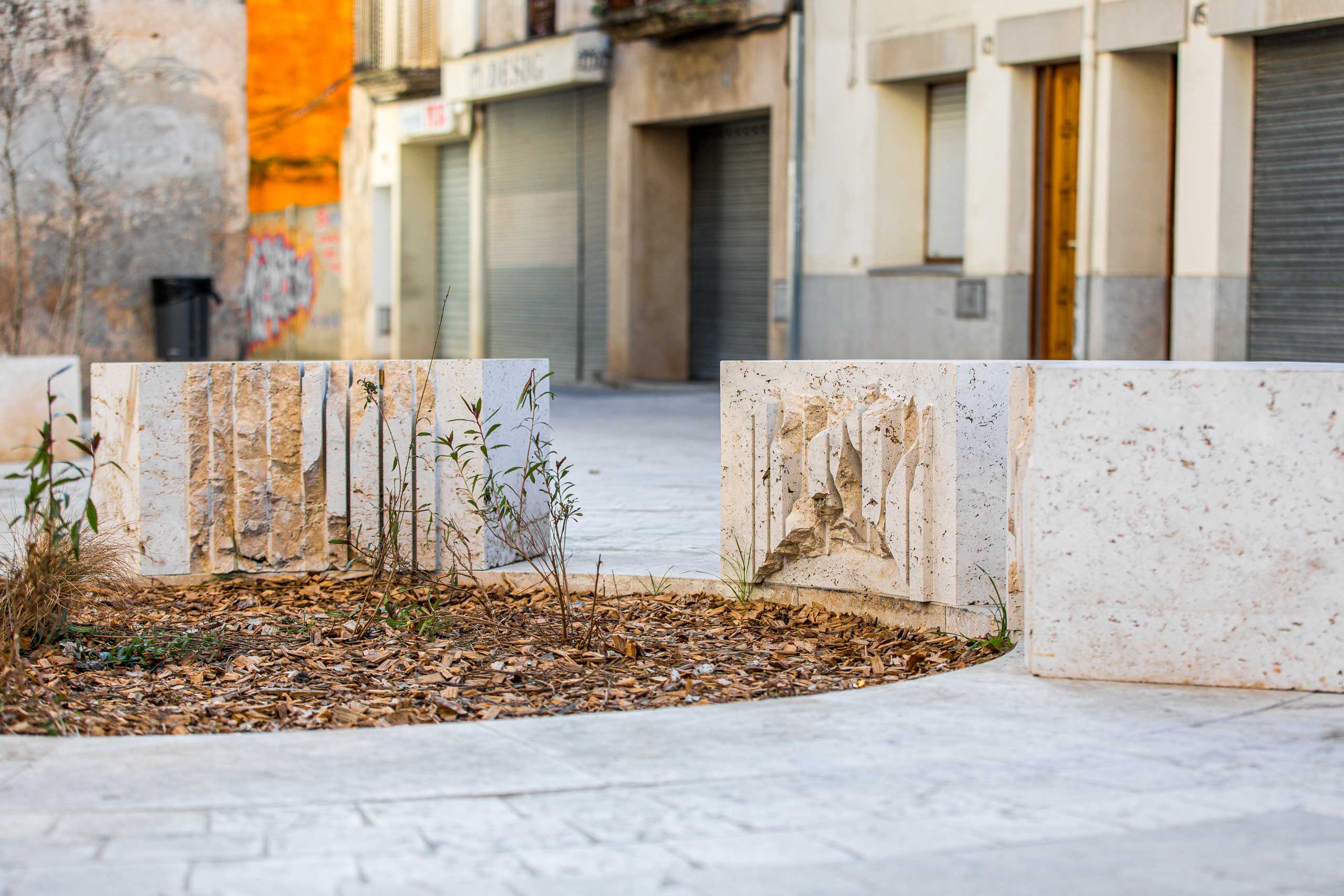
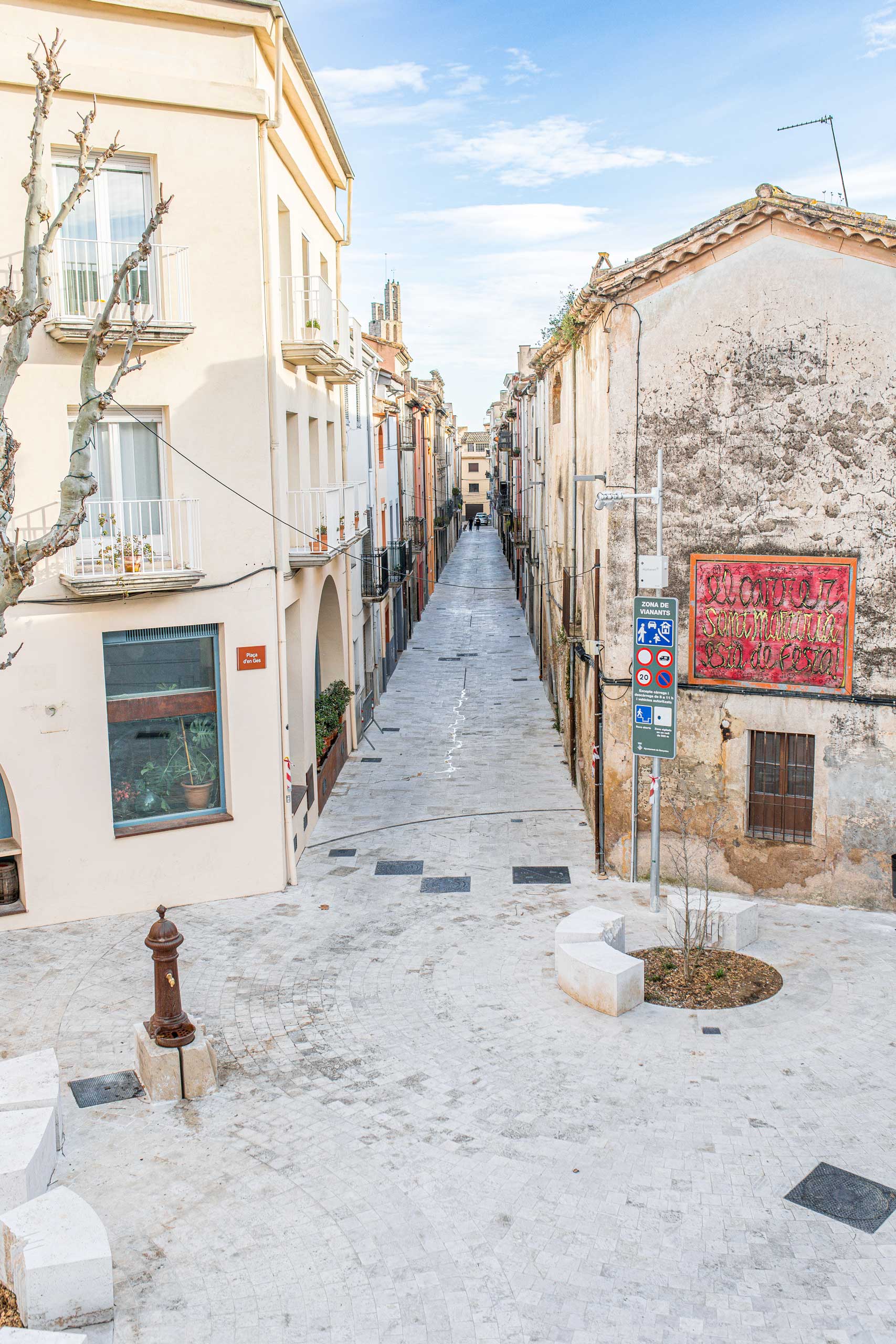
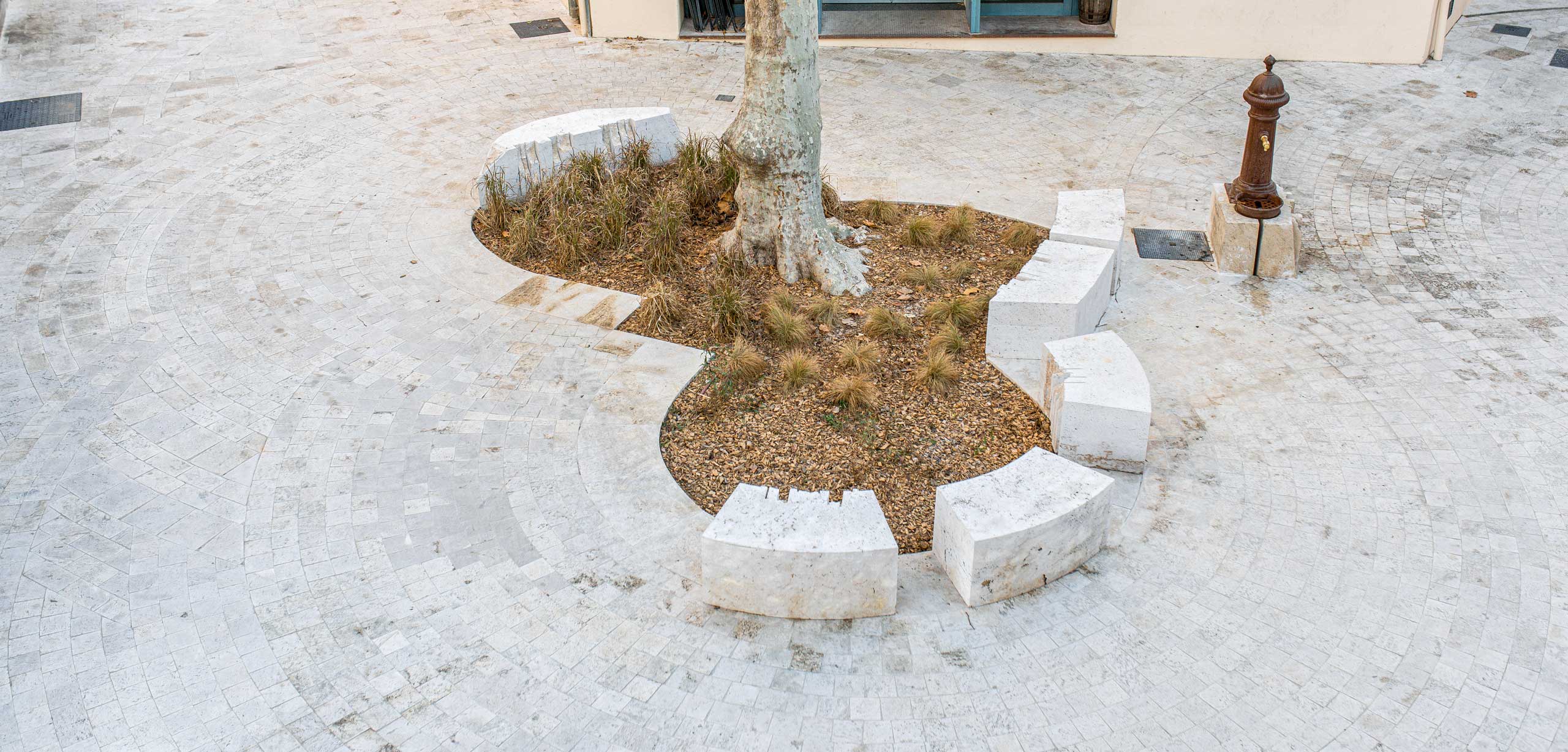
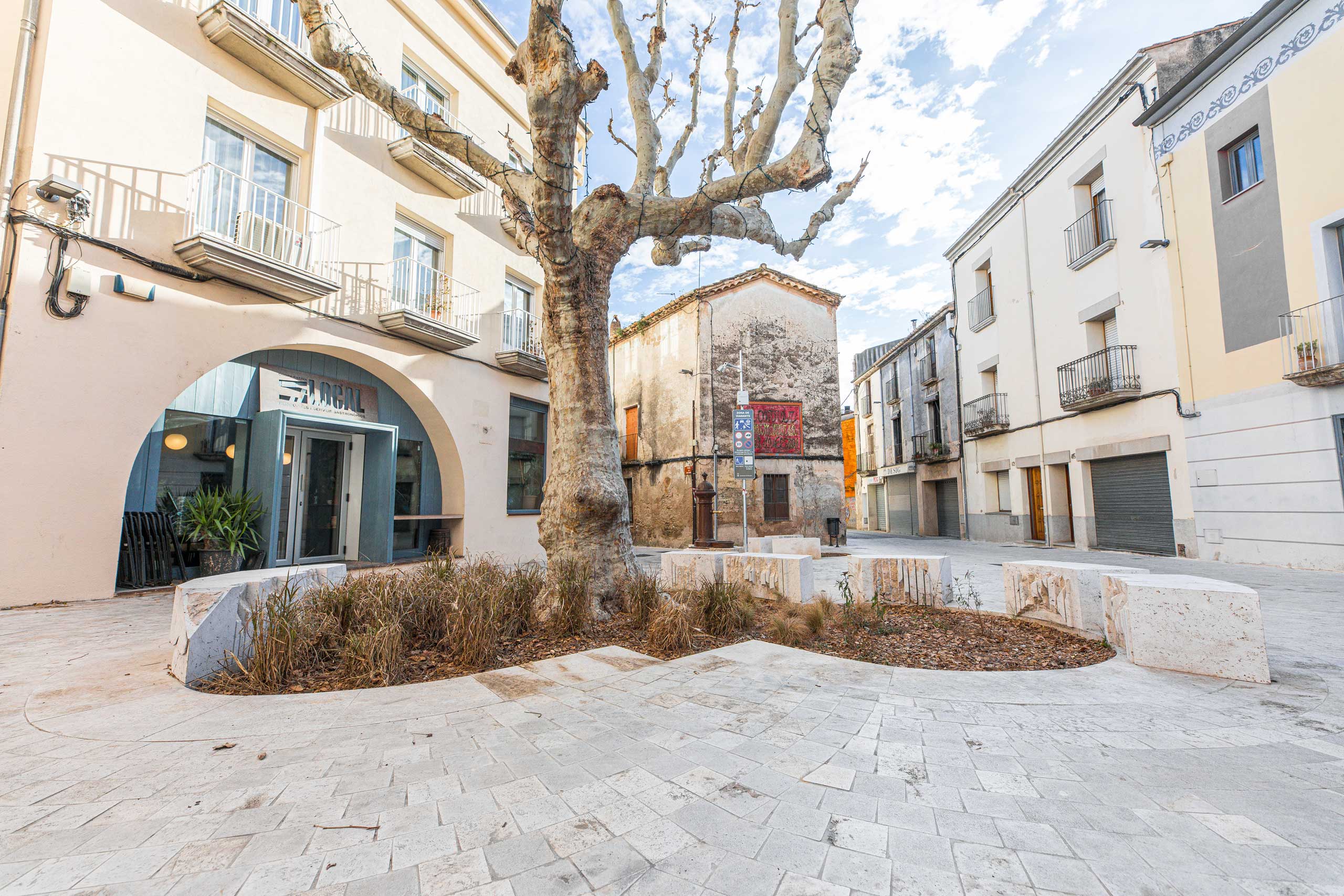
The irrigation canals that originally were clean had become part of the sewer system of the city. Around Central Square, sidewalks turned into random parking lots limiting pedestrian access to the whole area. The refurbishing process was to pedestrianize the whole area, removing all the old sidewalks, and returning the centre to its inhabitants. As all the enigmatic buildings, churches, medieval houses or monuments were raised with travertine, the new intervention is planned with the same calcareous stone, that always was present in the city’s subsoil. The departing point is to cover Central Square (the most relevant part of the project) using a tessellation of travertine.
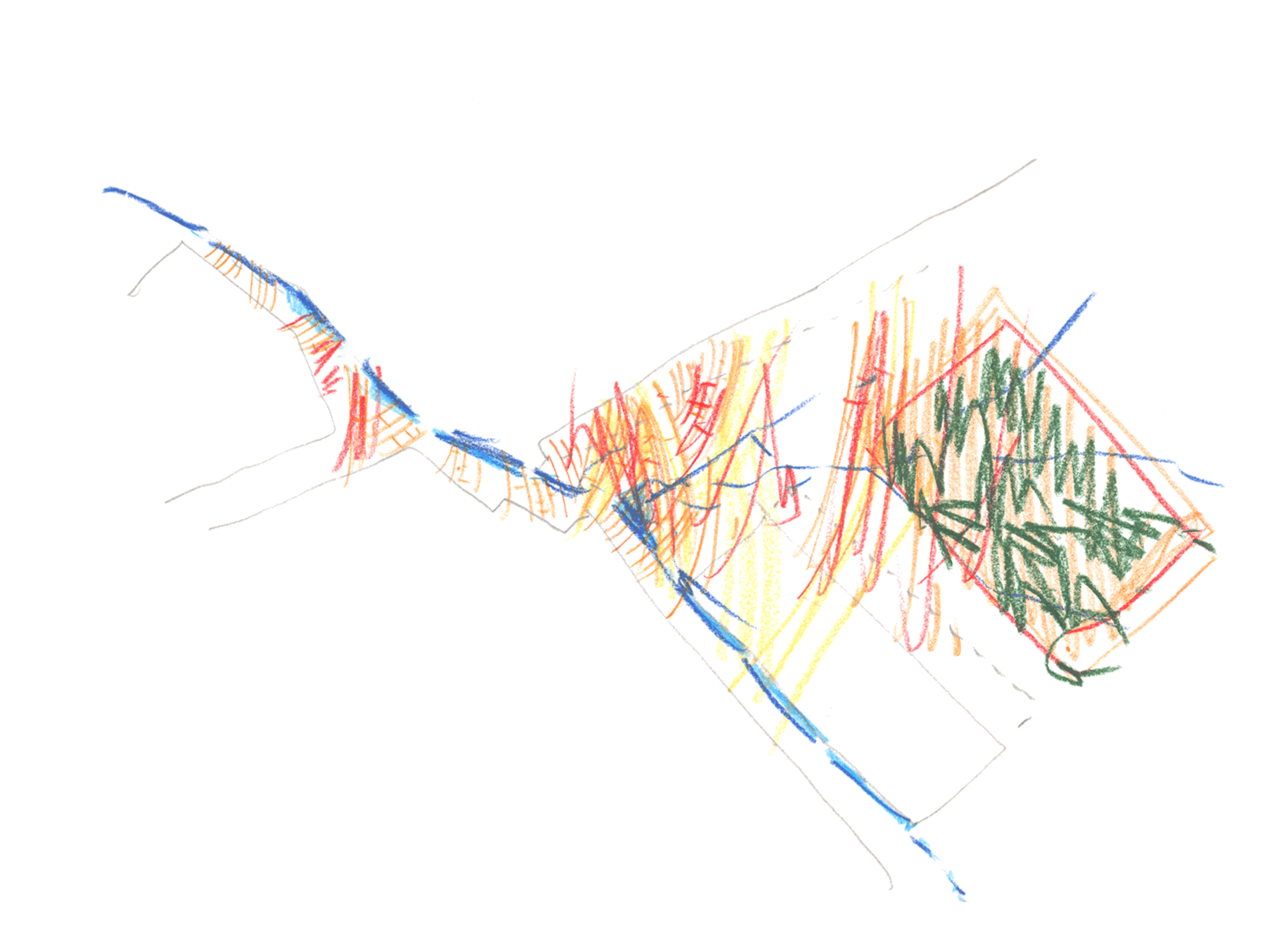
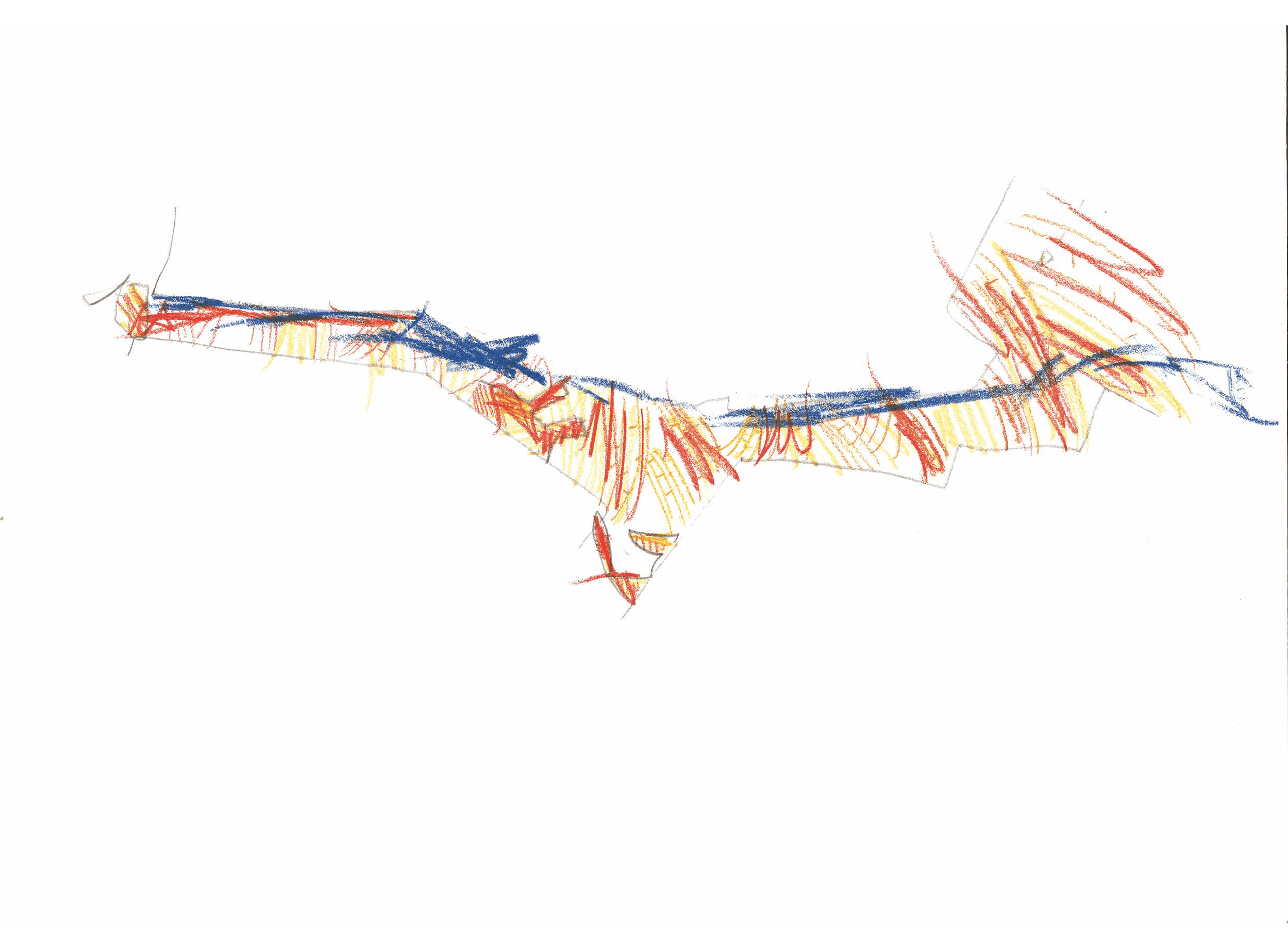
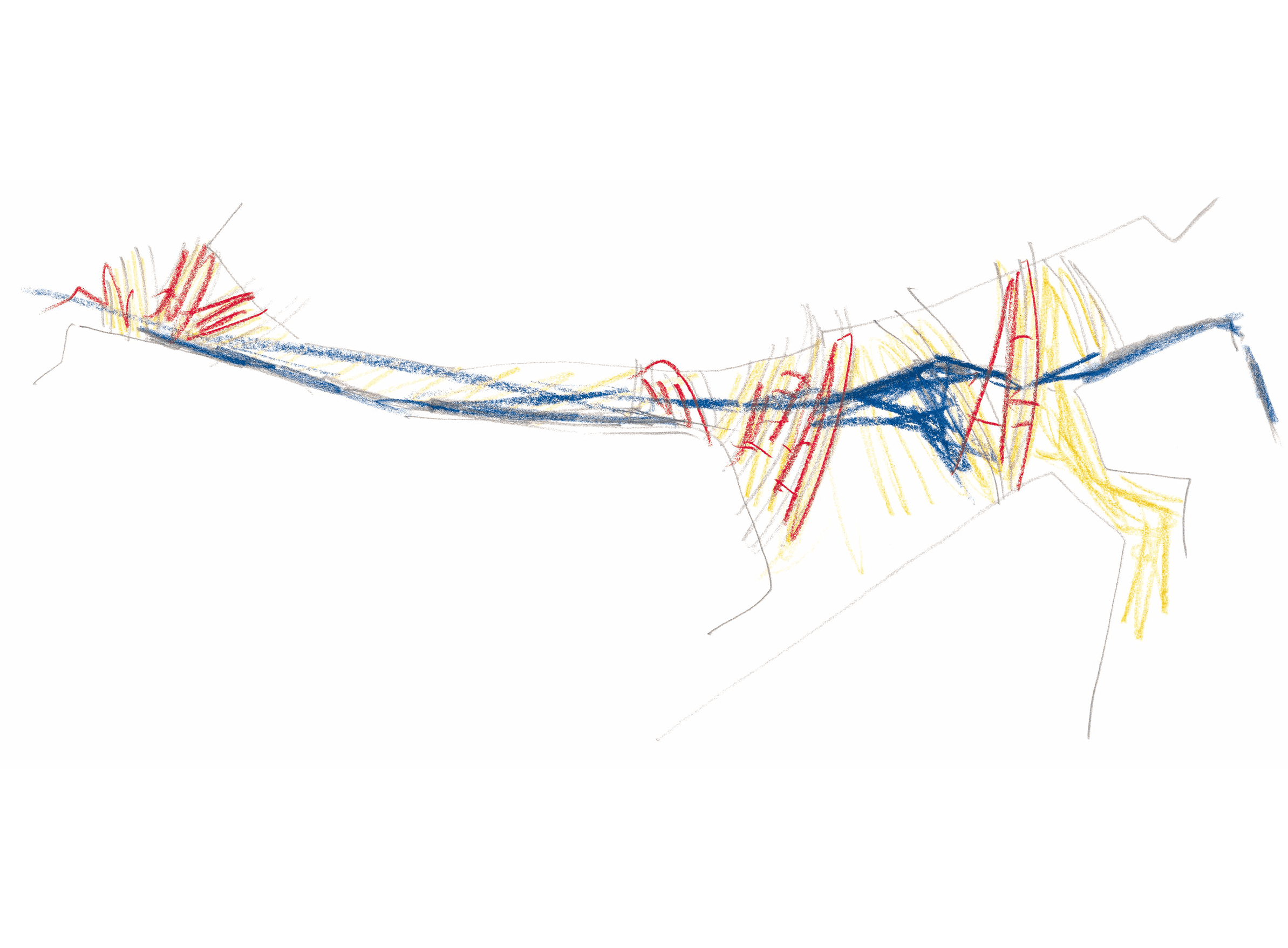
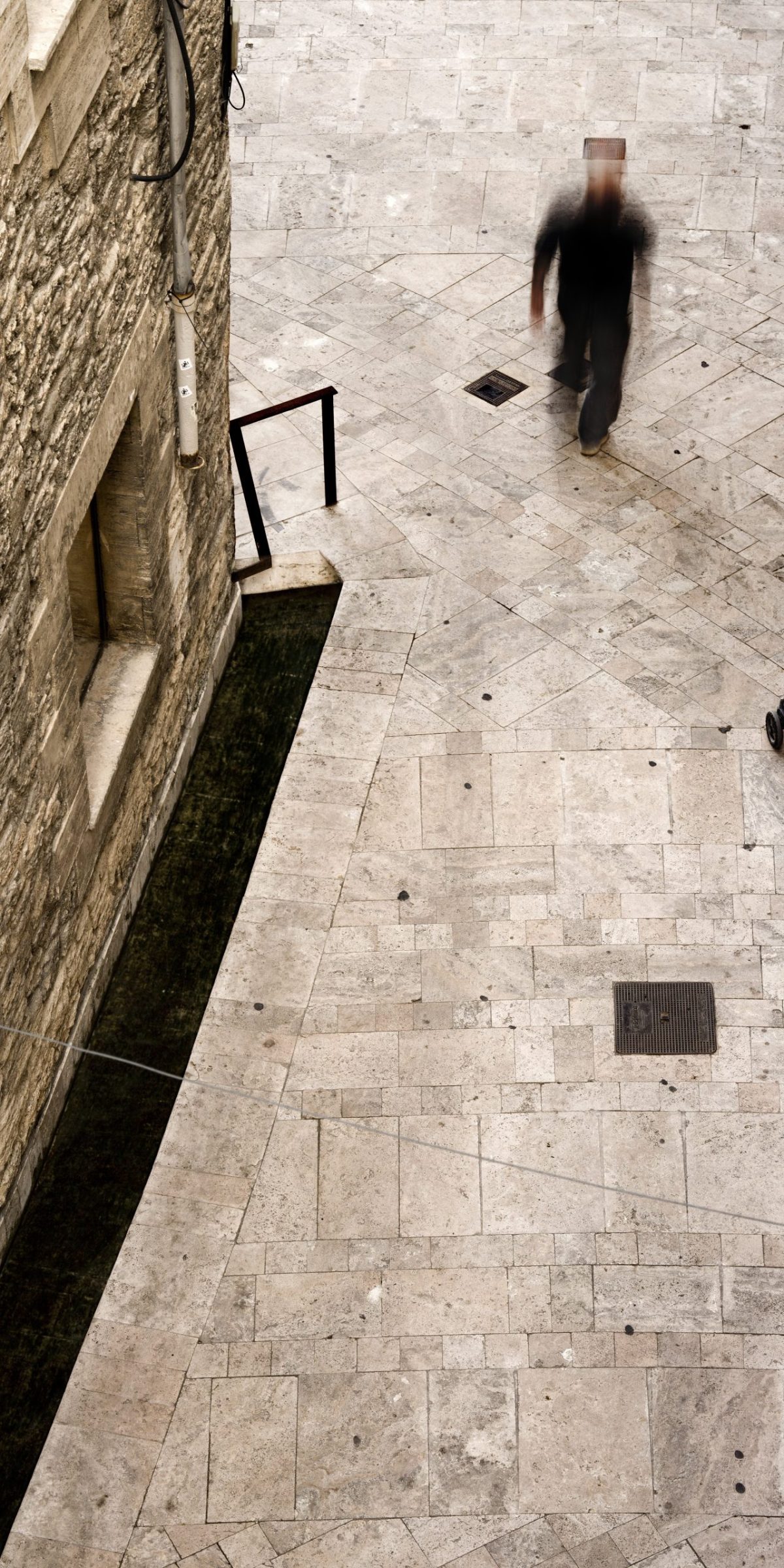
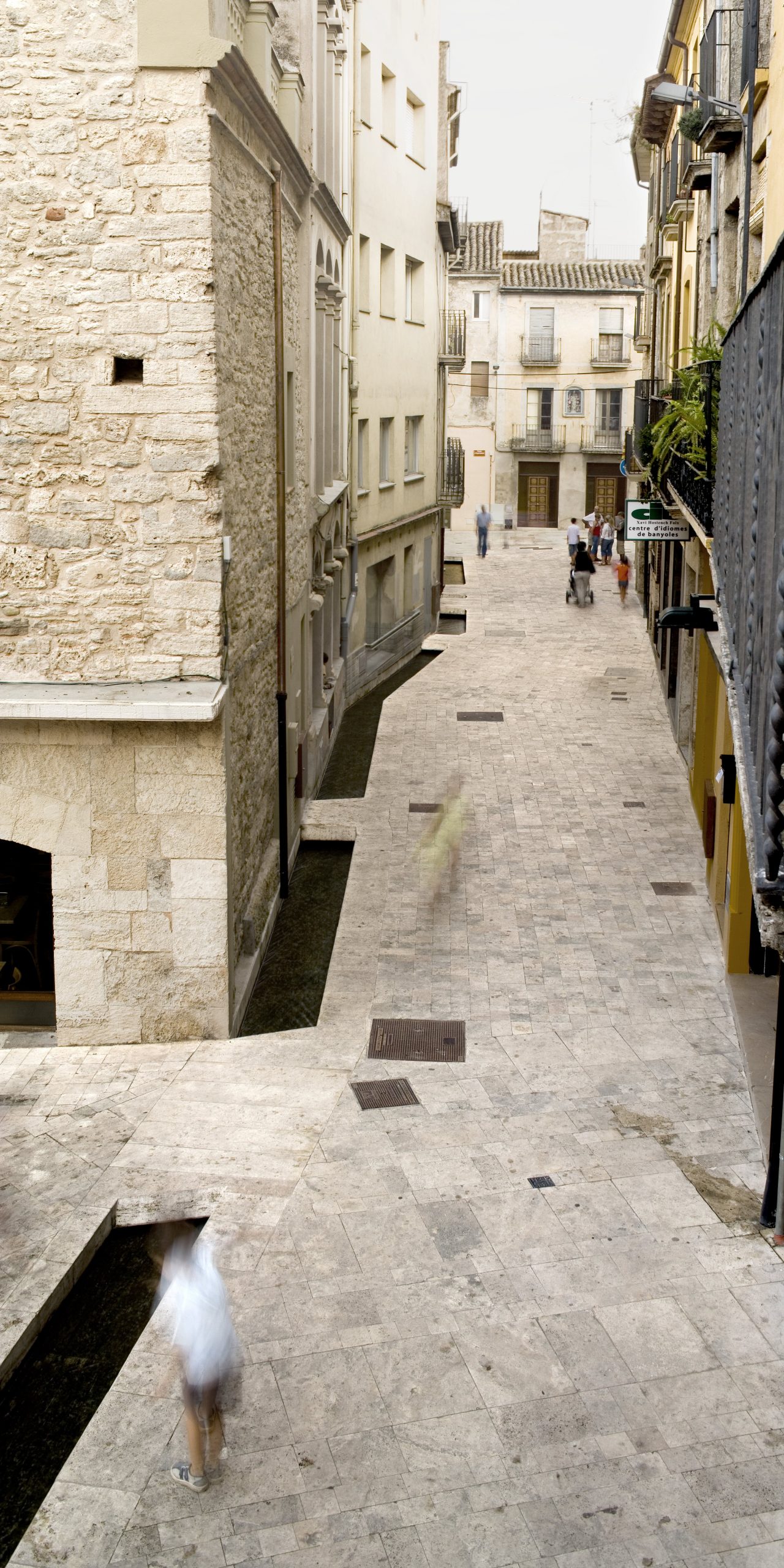
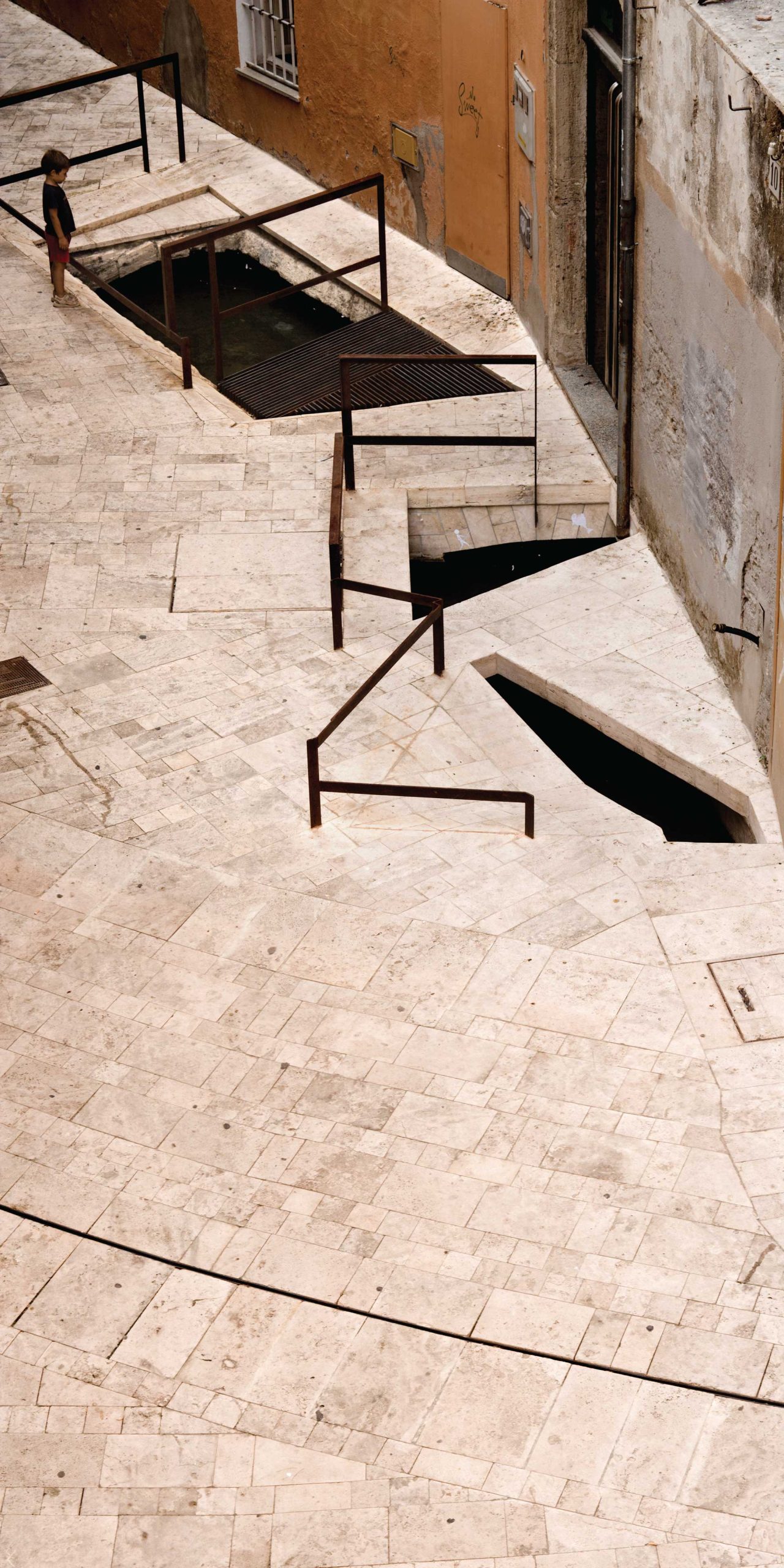
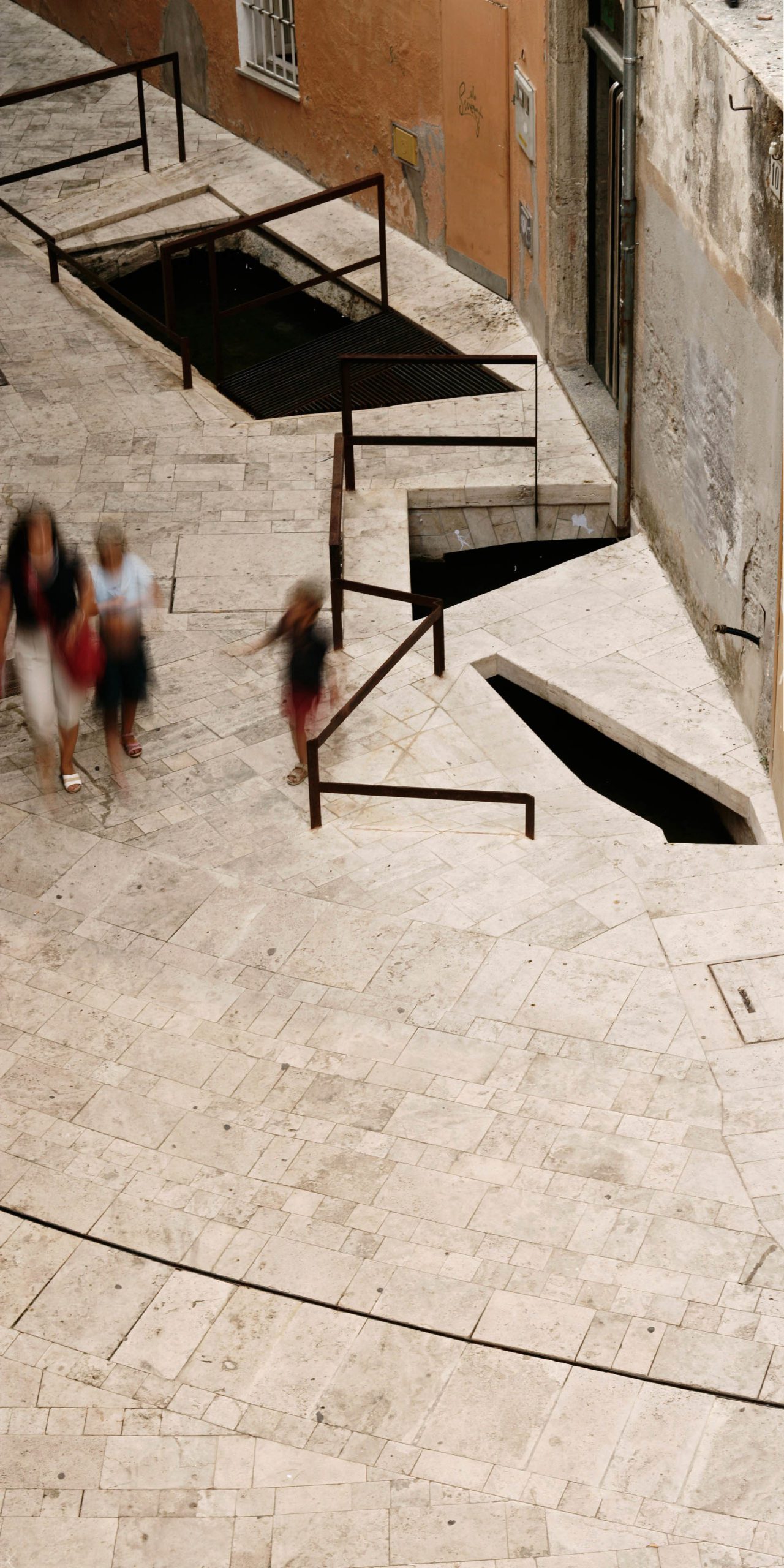
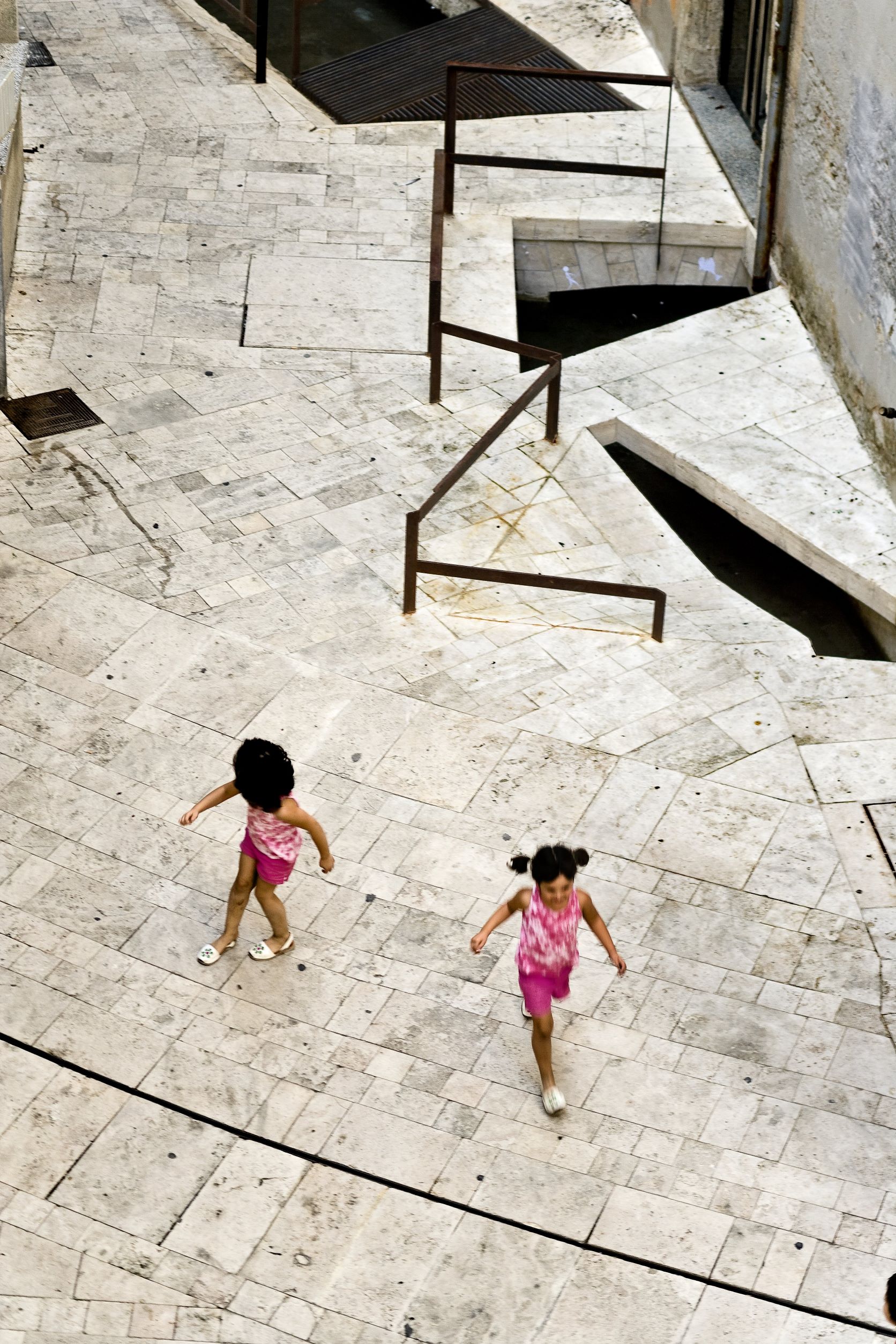
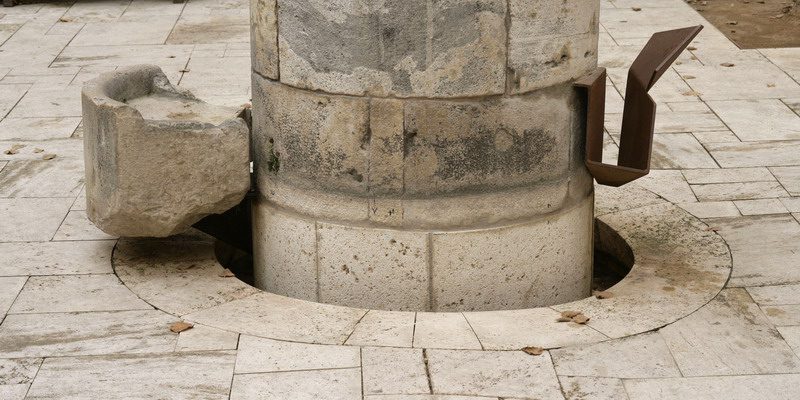
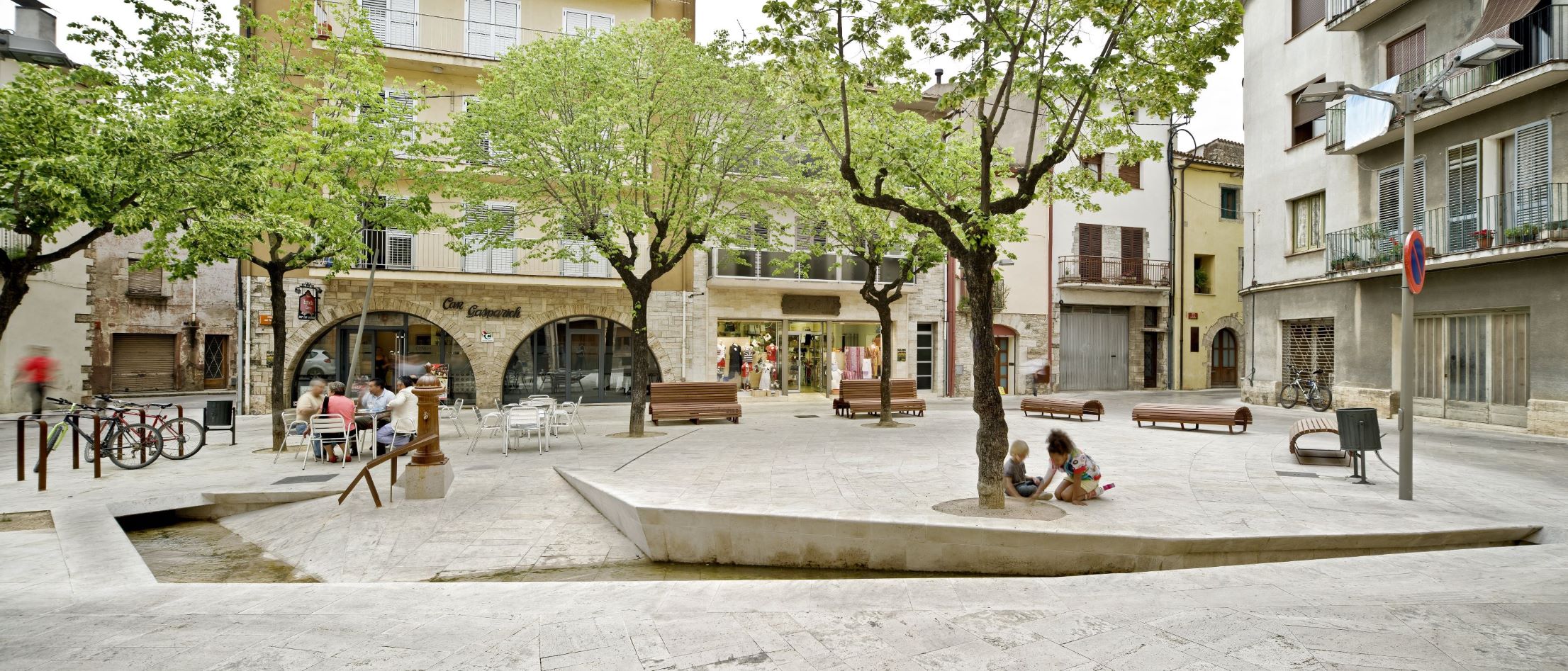
The proliferation of this tiling arrives in the streets and minor squares in different phases of the project. The irrigation system is uncovered intermittently across the pedestrian ways and eventually opened in bigger sections so children can play as if they were in front of a puddle of water.
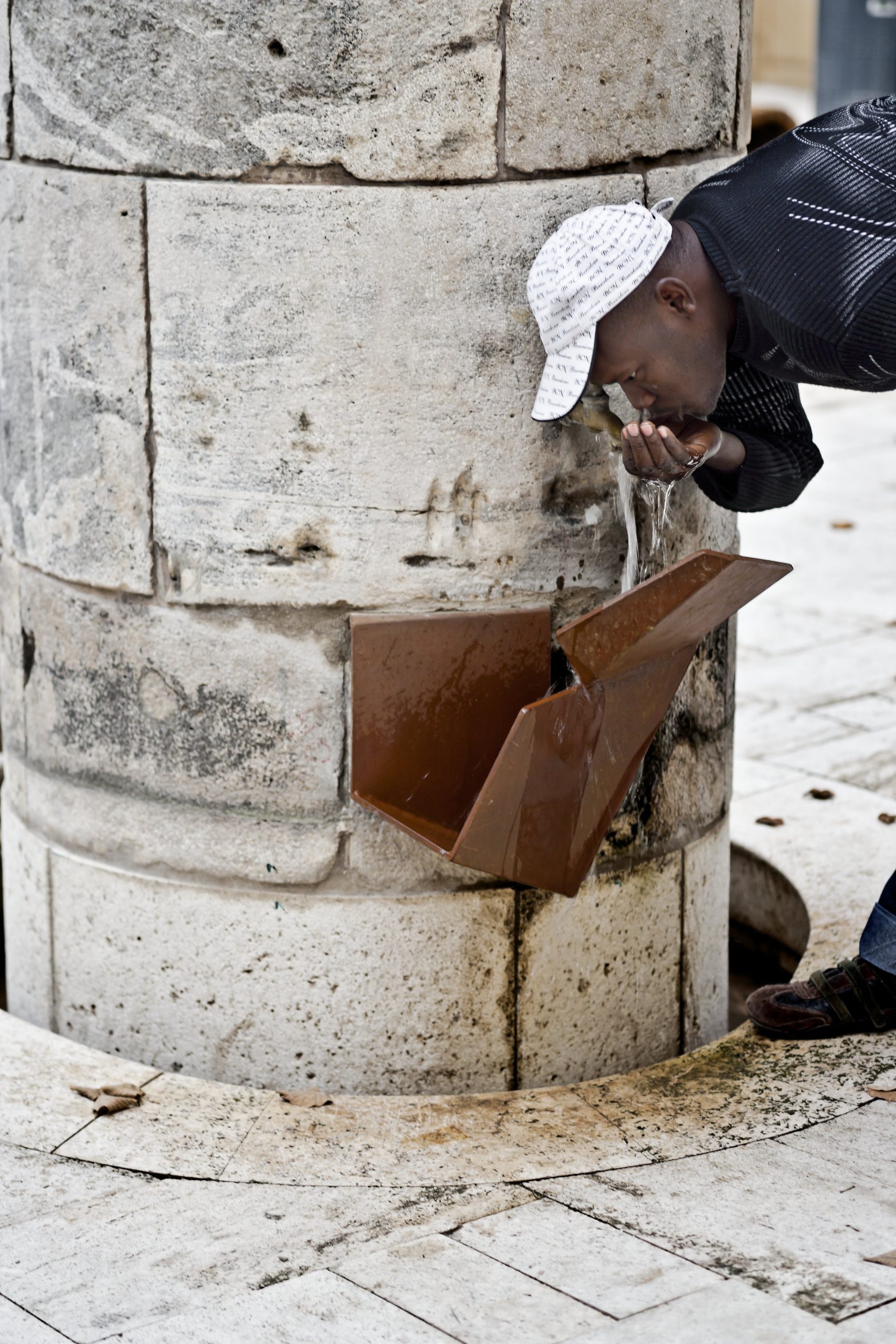
Re-paving the city centre opens a new pedestrian area and corresponds to a part of Banyoles in which the traces of the medieval age are still present. In fact, the urban planning at the historical centre shows up as a sequence of squares. Most of these names are given due to the buildings to which the squares give access (mainly churches and museums). The project restores the circulation of people and water through the old town of Banyoles, giving them back the itineraries they occupied originally.
Banyoles’ old town used to be a deteriorated area in which vehicles and pedestrians cohabitated around an urban system of narrow streets and old sidewalks.
The irrigation canals that originally were clean had become part of the sewer system of the city. Around Central Square, sidewalks turned into random parking lots limiting pedestrian access to the whole area. The refurbishing process was to pedestrianize the whole area, removing all the old sidewalks, and returning the centre to its inhabitants. As all the enigmatic buildings, churches, medieval houses or monuments were raised with travertine, the new intervention is planned with the same calcareous stone, that always was present in the city’s subsoil. The departing point is to cover Central Square (the most relevant part of the project) using a tessellation of travertine.
The proliferation of this tiling arrives in the streets and minor squares in different phases of the project. The irrigation system is uncovered intermittently across the pedestrian ways and eventually opened in bigger sections so children can play as if they were in front of a puddle of water.
Re-paving the city centre opens a new pedestrian area and corresponds to a part of Banyoles in which the traces of the medieval age are still present. In fact, the urban planning at the historical centre shows up as a sequence of squares. Most of these names are given due to the buildings to which the squares give access (mainly churches and museums). The project restores the circulation of people and water through the old town of Banyoles, giving them back the itineraries they occupied originally.
Banyoles’ old town used to be a deteriorated area in which vehicles and pedestrians cohabitated around an urban system of narrow streets and old sidewalks.
The irrigation canals that originally were clean had become part of the sewer system of the city. Around Central Square, sidewalks turned into random parking lots limiting pedestrian access to the whole area. The refurbishing process was to pedestrianize the whole area, removing all the old sidewalks, and returning the centre to its inhabitants. As all the enigmatic buildings, churches, medieval houses or monuments were raised with travertine, the new intervention is planned with the same calcareous stone, that always was present in the city’s subsoil. The departing point is to cover Central Square (the most relevant part of the project) using a tessellation of travertine.
The proliferation of this tiling arrives in the streets and minor squares in different phases of the project. The irrigation system is uncovered intermittently across the pedestrian ways and eventually opened in bigger sections so children can play as if they were in front of a puddle of water.
Re-paving the city centre opens a new pedestrian area and corresponds to a part of Banyoles in which the traces of the medieval age are still present. In fact, the urban planning at the historical centre shows up as a sequence of squares. Most of these names are given due to the buildings to which the squares give access (mainly churches and museums). The project restores the circulation of people and water through the old town of Banyoles, giving them back the itineraries they occupied originally.
Concept
Concept