


Bourgeois Space
Client
Maresme Therapeutic Community
Location
Arenys de Munt, Spain
Year
2022-2023
Surface
70 m²
Awards
2025 Archdaily Building of the Year / Nominated
2024 4 Future Awards / Small Architecture – Silver Award
2024 Archello Awards / Small Project of the Year / Longlisted
2024 LOOP Design Awards, Architecture / Small Architecture category – Category Winner



Overview
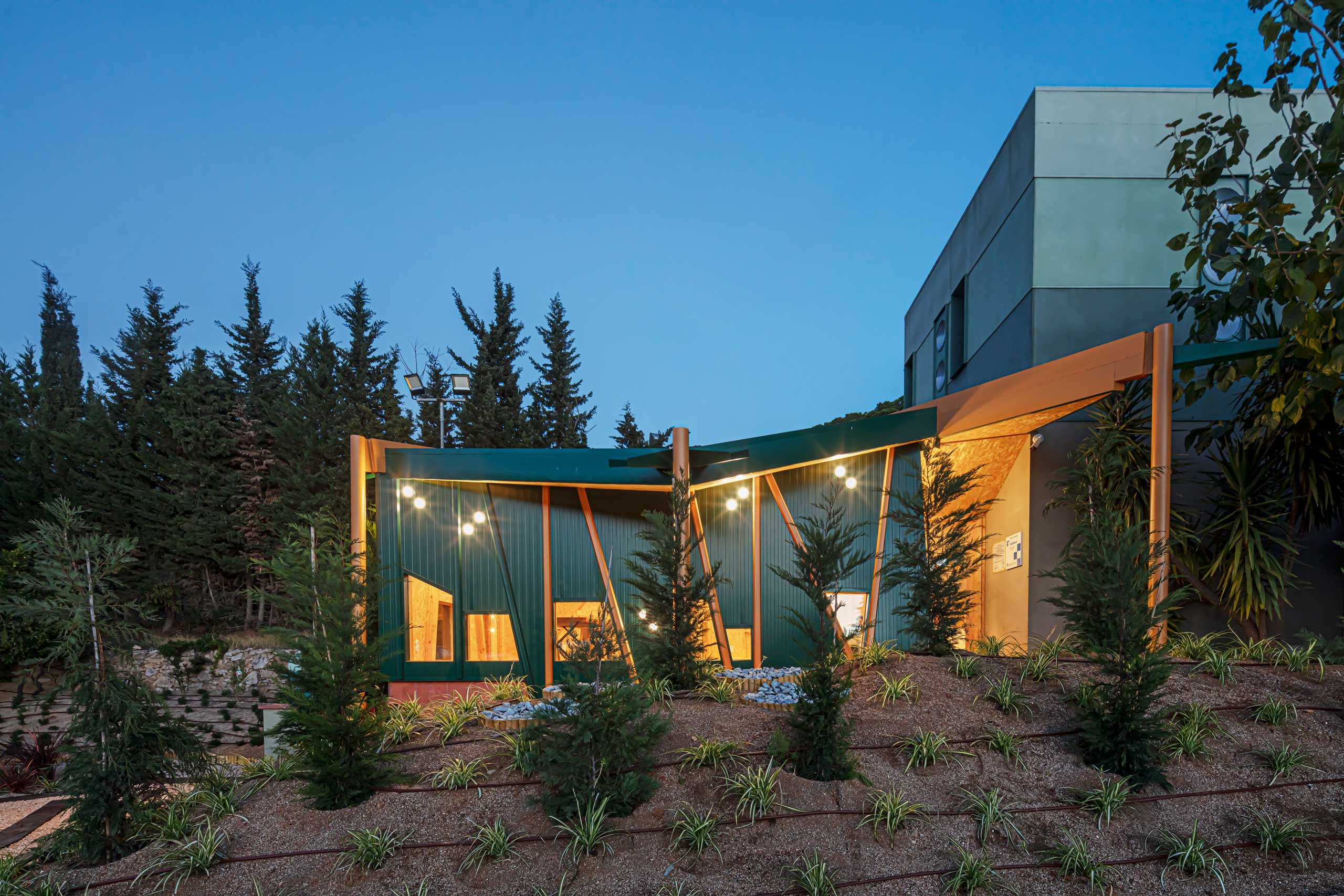
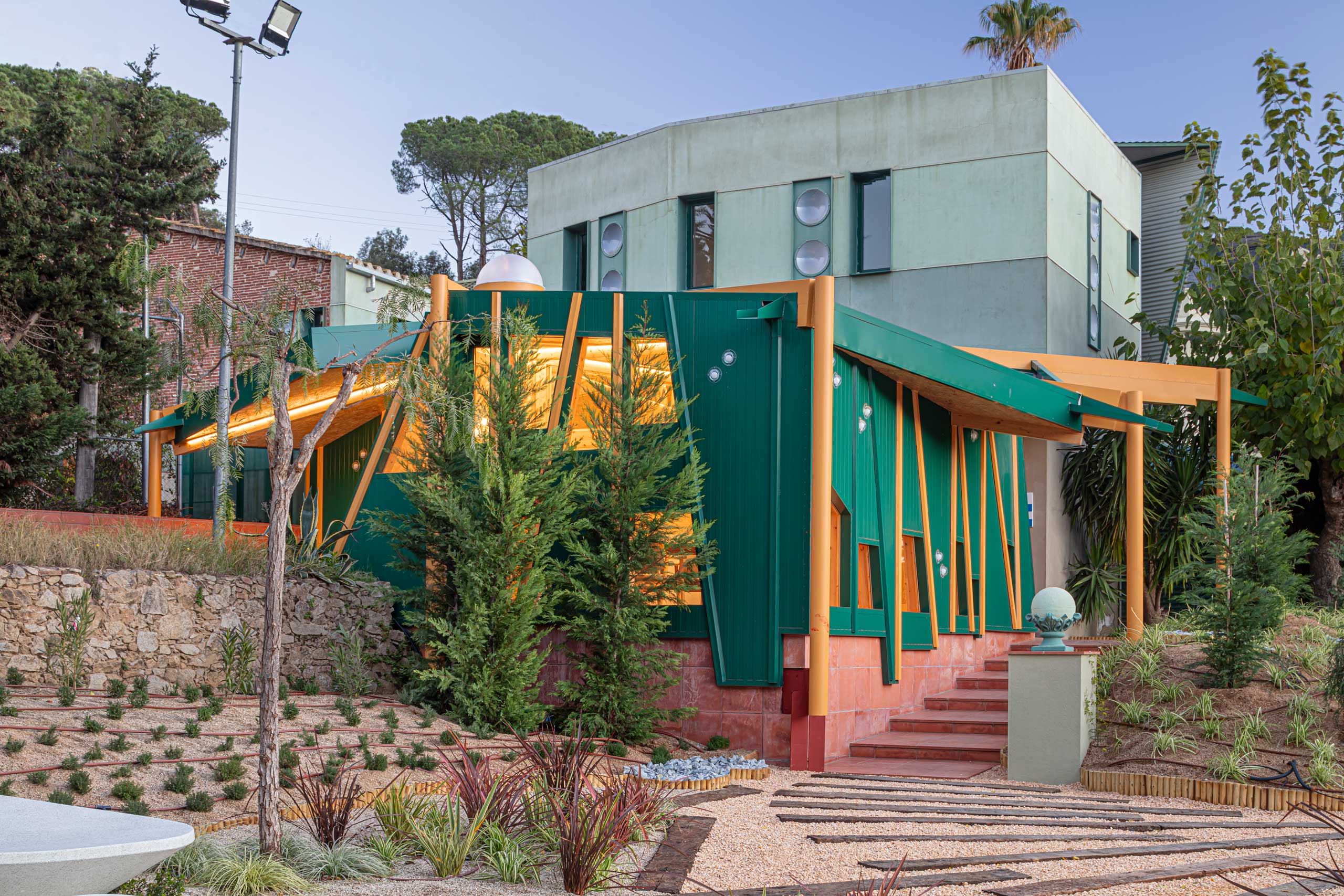
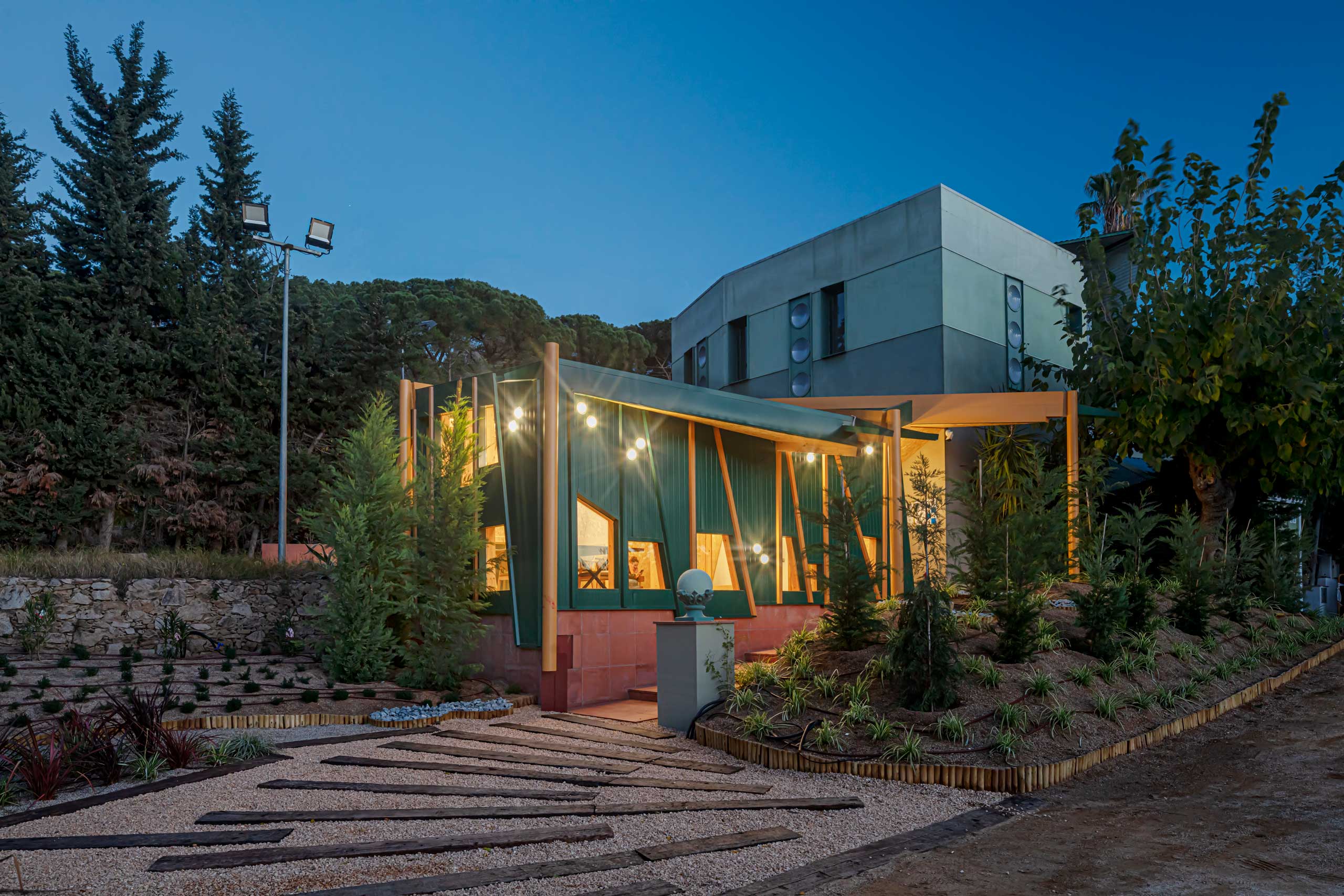
The challenge of designing a purposeful space without a clear function was met with the goal of creating a welcoming environment at a unique location within the Can Zariquiey building. The space aimed to serve as a meeting point for the families of patients and professionals, emphasizing friendliness, familiarity, and connection to existing structures. The project sought to integrate specific location conditions while giving new meaning to a previous intervention.
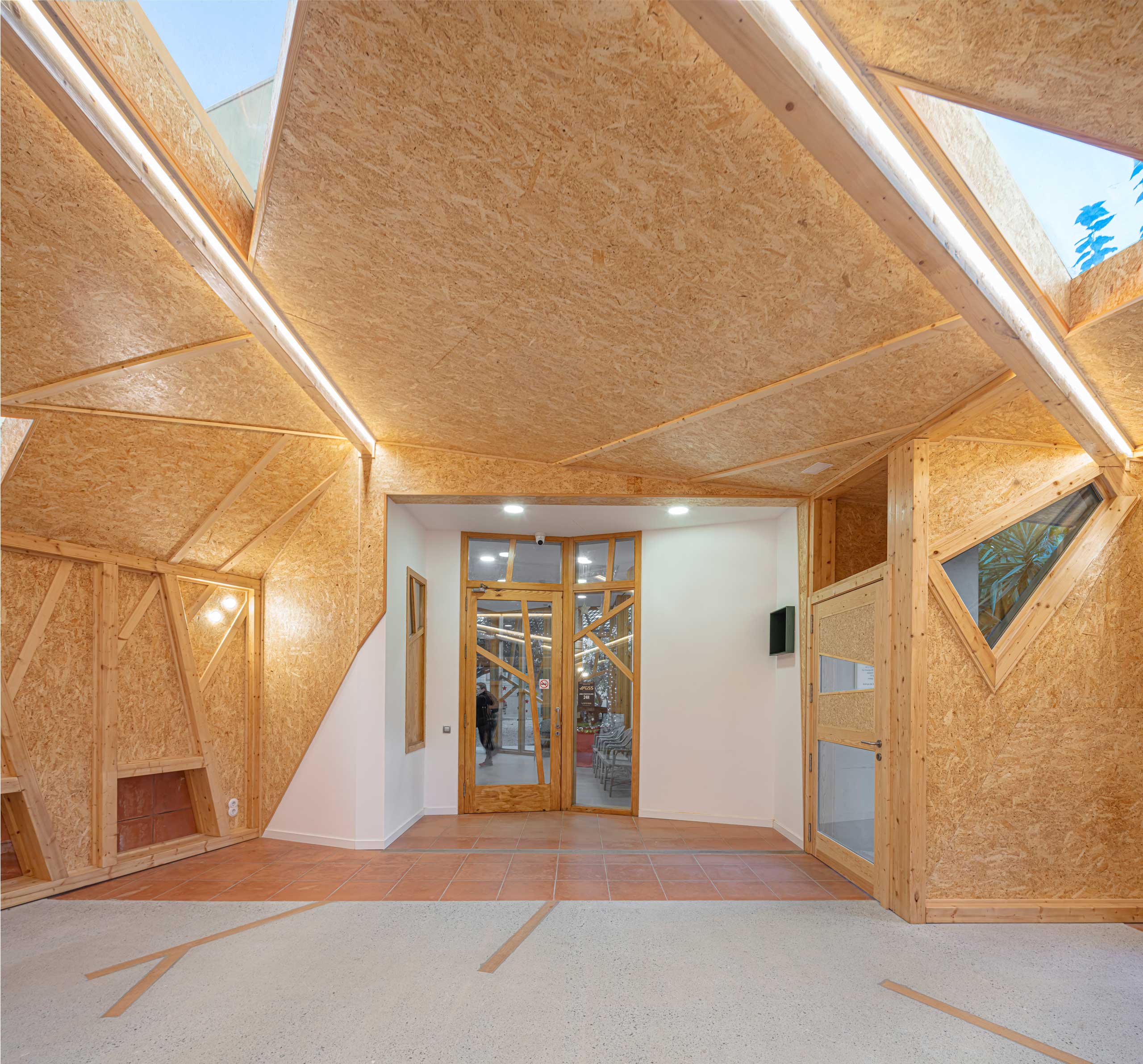
The original building’s prominence led to a previous expansion that shifted focus to a central courtyard. The current project emphasized a new entrance from the prior intervention, incorporating it into the welcoming space. The interior courtyard, surrounded by buildings, featured broken metal structures with permeable fabric, serving as both a perimeter porch and protective facade. This courtyard design also deviated strategically to create new opportunities.
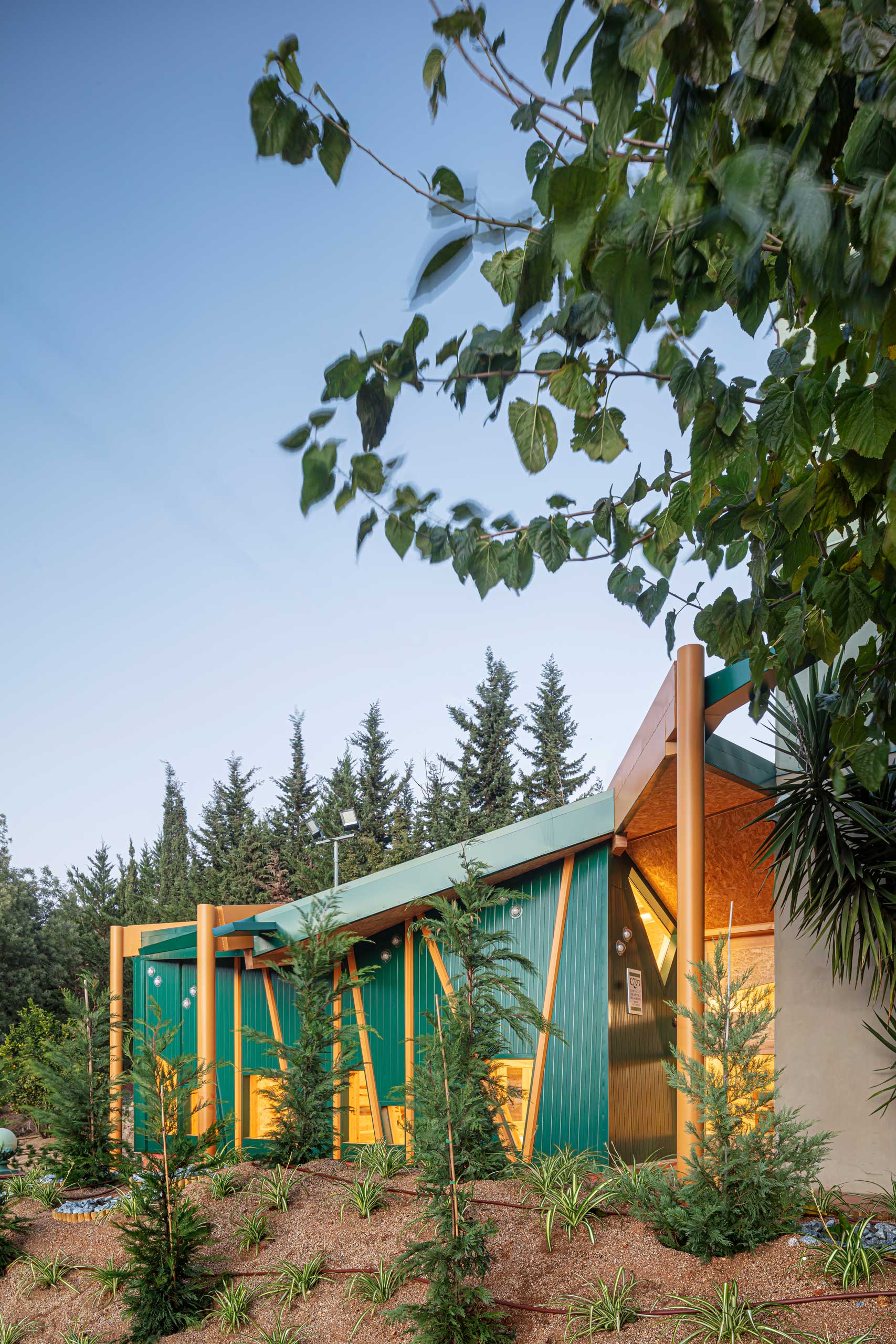
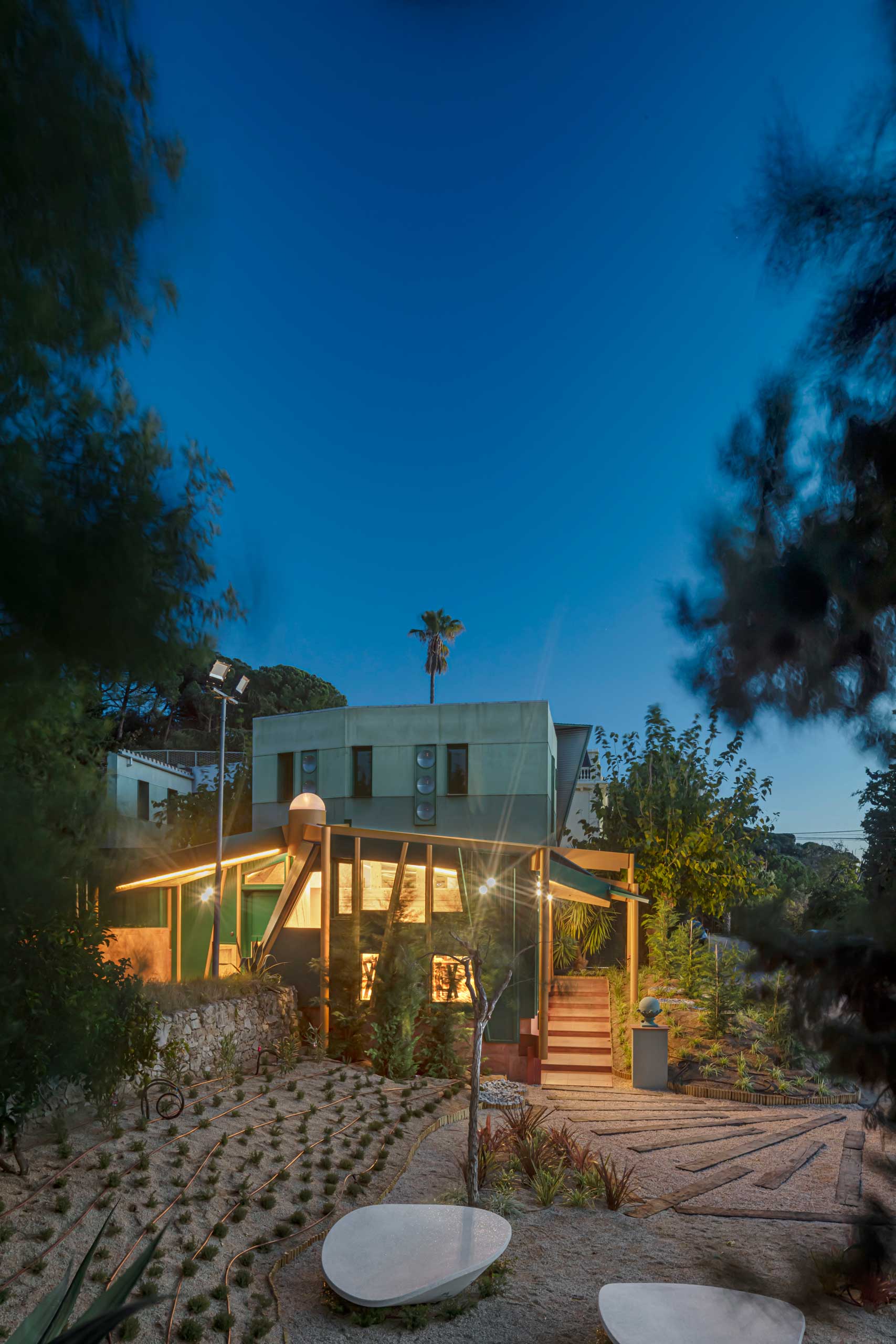
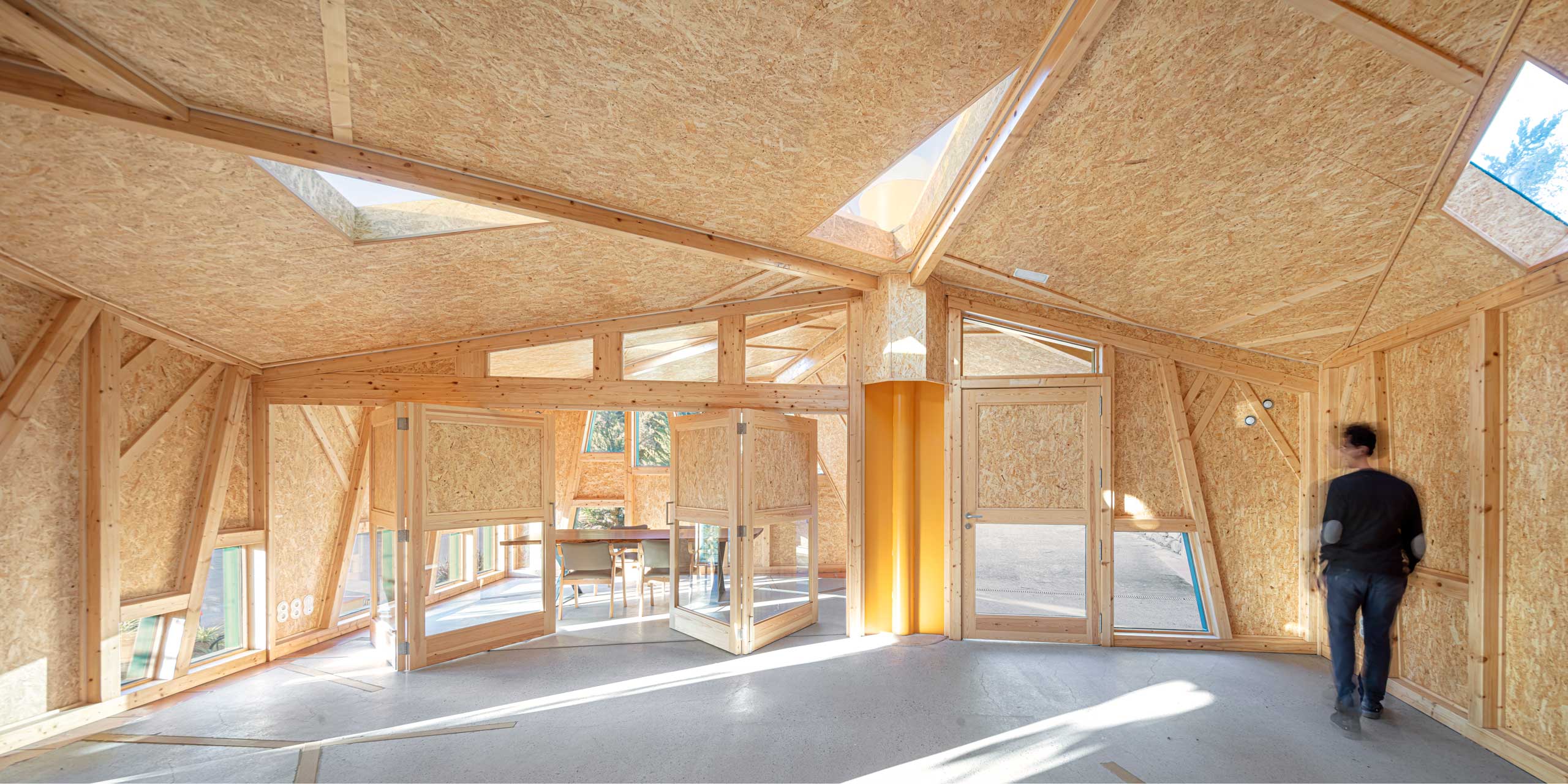
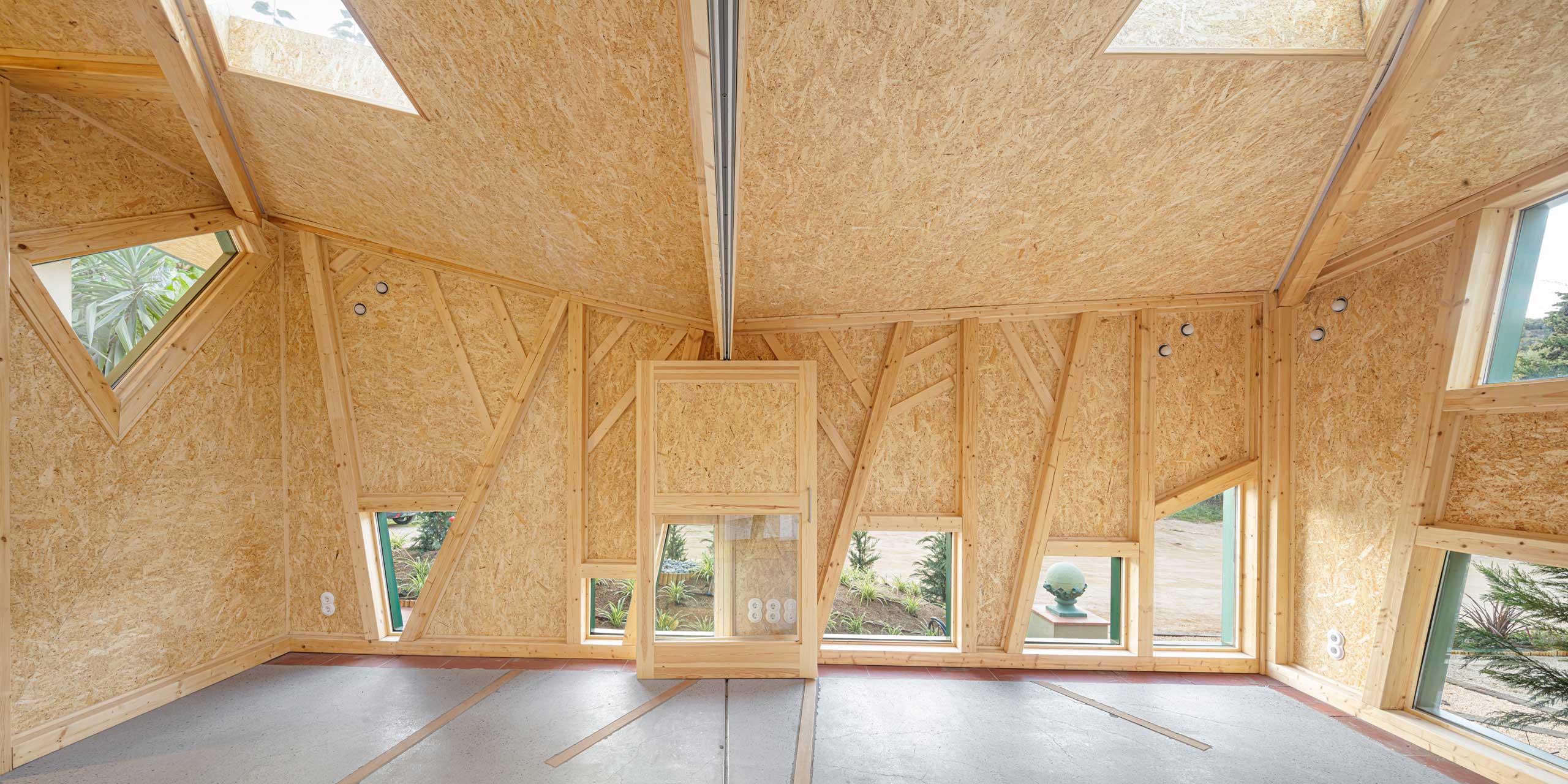
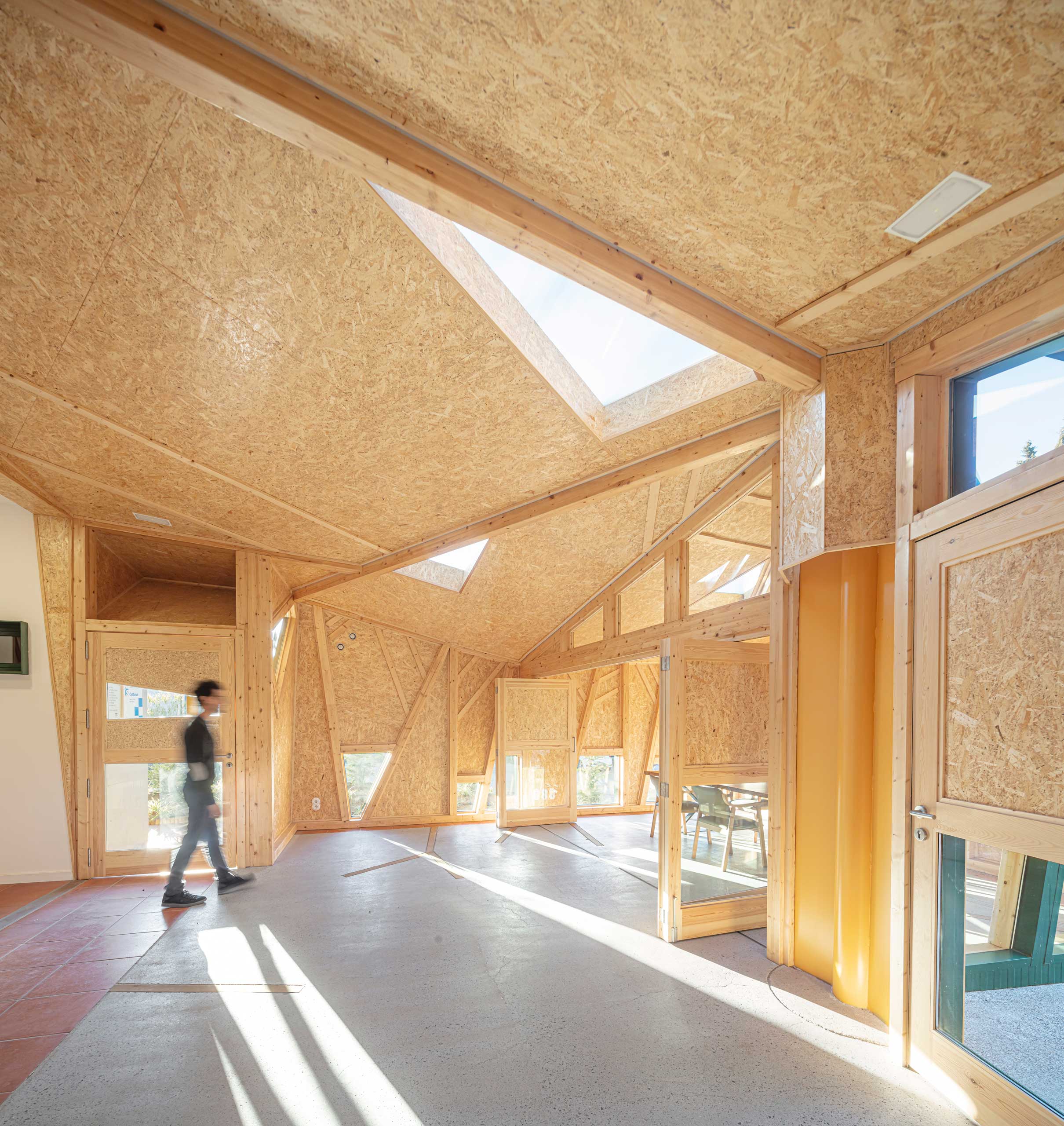
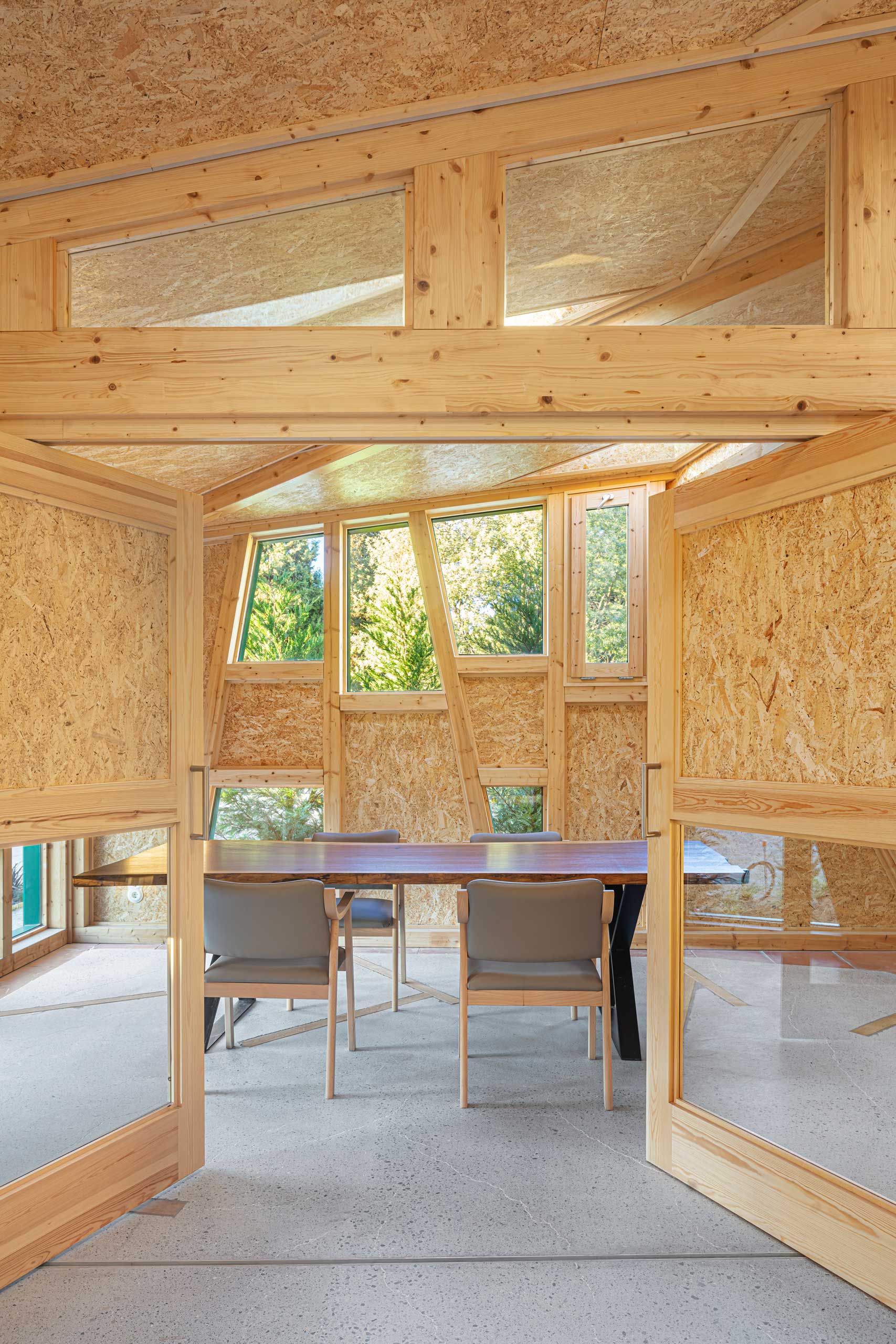
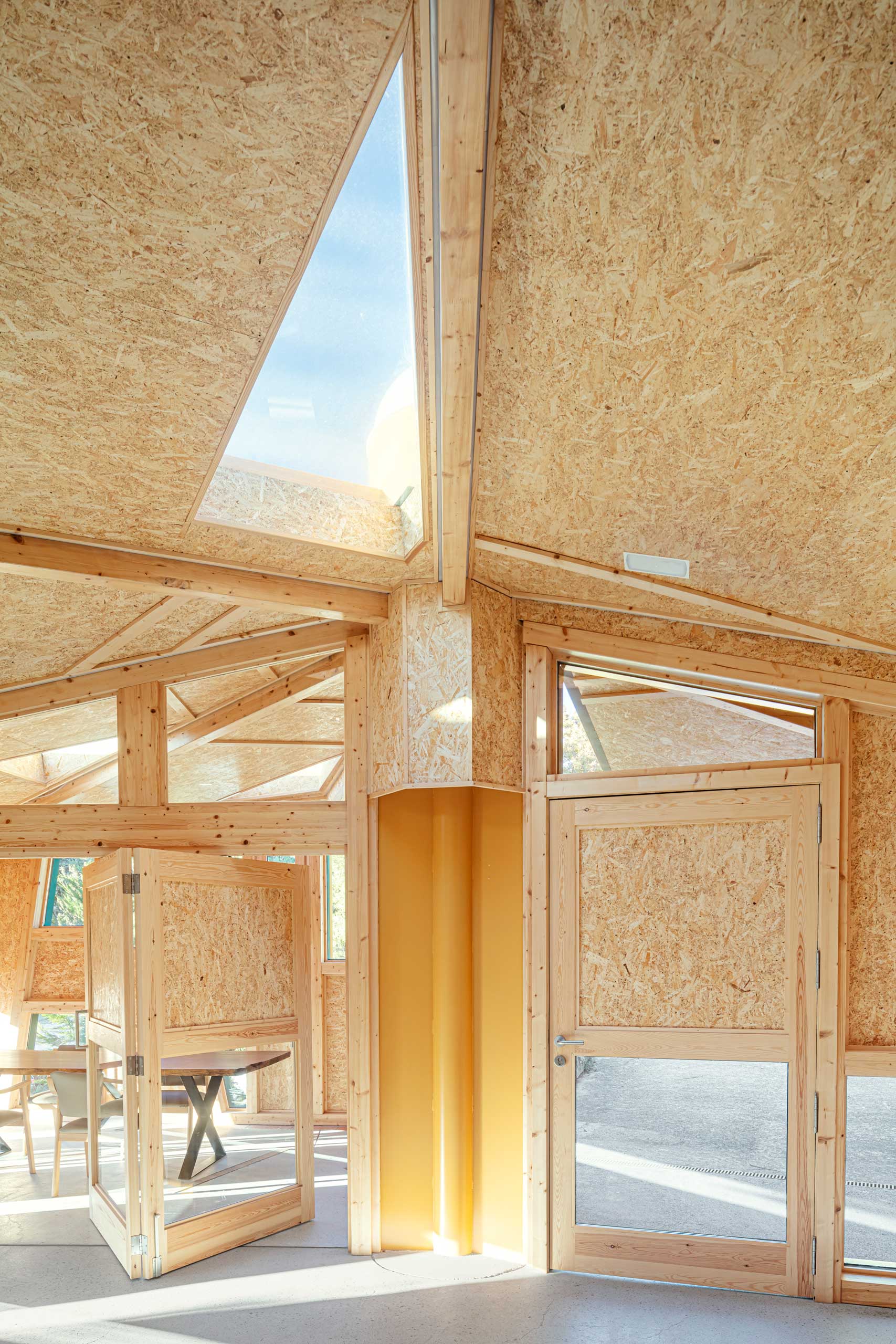
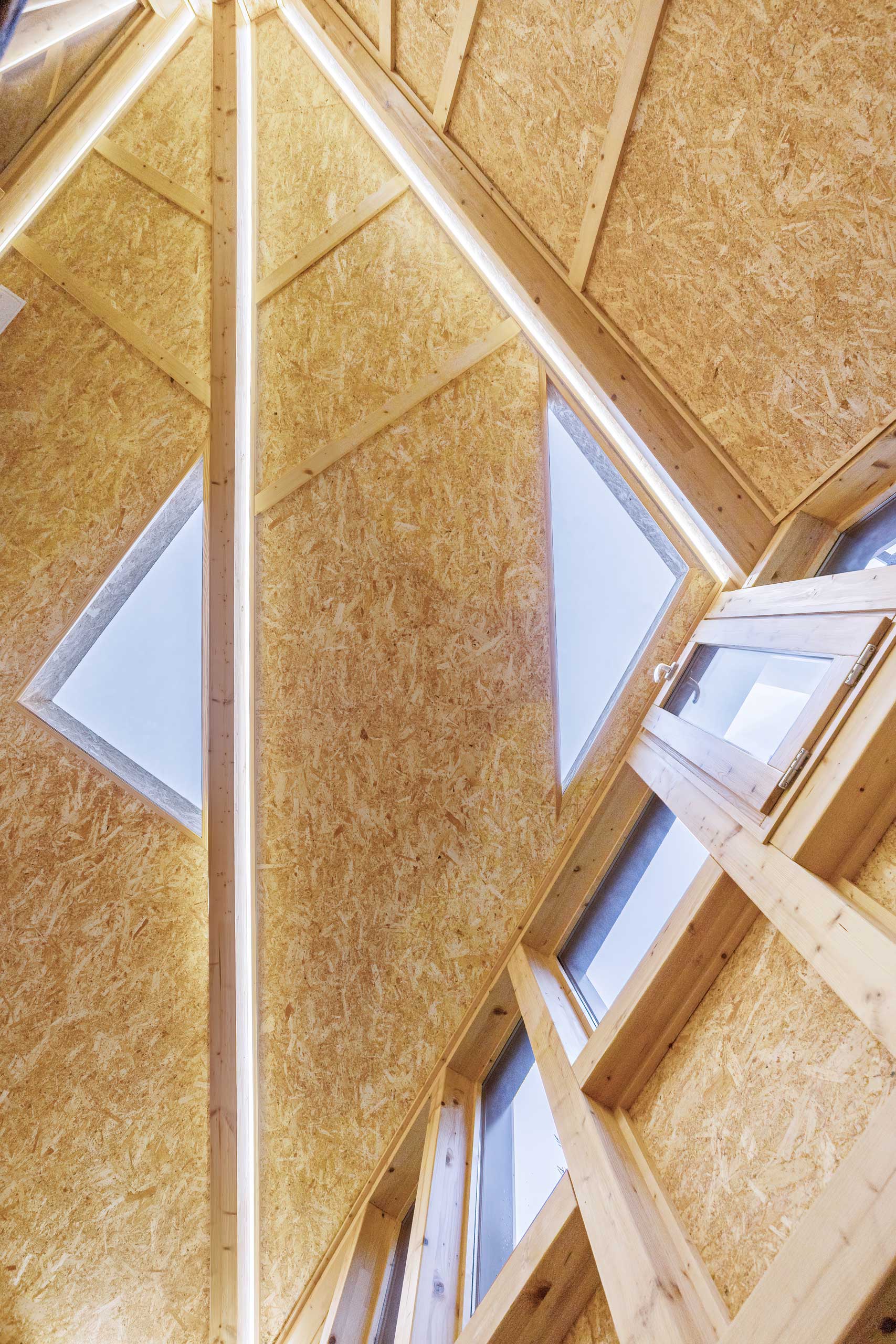
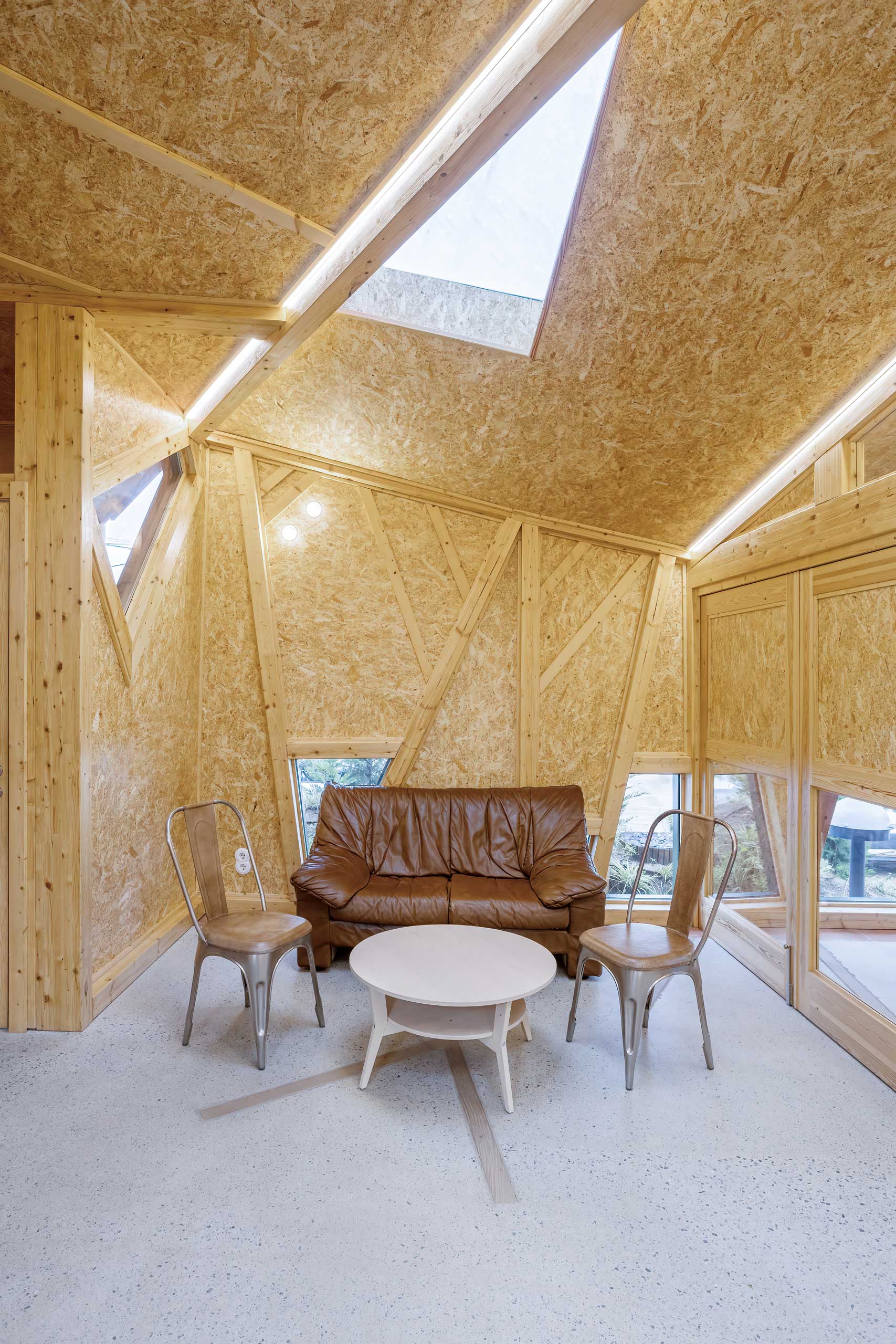
The new welcoming space emerged within the courtyard, extending outward with a pavilion for family reception. The pavilion, seemingly against the existing building, actually emerged from it, resembling a spider. Influenced by Louise Bourgeois’ “Maman,” the construction featured a central pillar, mixed wooden and metal beams, and a balanced resting position. This construction mirrored the spider’s web within the courtyard, connecting the interior logic to an already constructed exterior space. The resulting space became a necessary addition, completing the envisioned design inspired by the intricate interplay between the courtyard, existing structures, and the new welcoming pavilion.
The challenge of designing a purposeful space without a clear function was met with the goal of creating a welcoming environment at a unique location within the Can Zariquiey building. The space aimed to serve as a meeting point for the families of patients and professionals, emphasizing friendliness, familiarity, and connection to existing structures. The project sought to integrate specific location conditions while giving new meaning to a previous intervention.
The original building’s prominence led to a previous expansion that shifted focus to a central courtyard. The current project emphasized a new entrance from the prior intervention, incorporating it into the welcoming space. The interior courtyard, surrounded by buildings, featured broken metal structures with permeable fabric, serving as both a perimeter porch and protective facade. This courtyard design also deviated strategically to create new opportunities.
The new welcoming space emerged within the courtyard, extending outward with a pavilion for family reception. The pavilion, seemingly against the existing building, actually emerged from it, resembling a spider. Influenced by Louise Bourgeois’ “Maman,” the construction featured a central pillar, mixed wooden and metal beams, and a balanced resting position. This construction mirrored the spider’s web within the courtyard, connecting the interior logic to an already constructed exterior space. The resulting space became a necessary addition, completing the envisioned design inspired by the intricate interplay between the courtyard, existing structures, and the new welcoming pavilion.
The challenge of designing a purposeful space without a clear function was met with the goal of creating a welcoming environment at a unique location within the Can Zariquiey building. The space aimed to serve as a meeting point for the families of patients and professionals, emphasizing friendliness, familiarity, and connection to existing structures. The project sought to integrate specific location conditions while giving new meaning to a previous intervention.
The original building’s prominence led to a previous expansion that shifted focus to a central courtyard. The current project emphasized a new entrance from the prior intervention, incorporating it into the welcoming space. The interior courtyard, surrounded by buildings, featured broken metal structures with permeable fabric, serving as both a perimeter porch and protective facade. This courtyard design also deviated strategically to create new opportunities.
The new welcoming space emerged within the courtyard, extending outward with a pavilion for family reception. The pavilion, seemingly against the existing building, actually emerged from it, resembling a spider. Influenced by Louise Bourgeois’ “Maman,” the construction featured a central pillar, mixed wooden and metal beams, and a balanced resting position. This construction mirrored the spider’s web within the courtyard, connecting the interior logic to an already constructed exterior space. The resulting space became a necessary addition, completing the envisioned design inspired by the intricate interplay between the courtyard, existing structures, and the new welcoming pavilion.