Open Competition, Winner
Cal Xerta Paper Mill
Location
Sant Pere de Riudebitlles, Spain
Year
2022
Surface
2000 m²
Awards
2023 LOOP Design Awards, Interior / Exhibition & Museums – Winner
2022 COAC Architects’ Association Catalonia, Garraf – Alt Penedès Awards – Winner

Overview
Overview
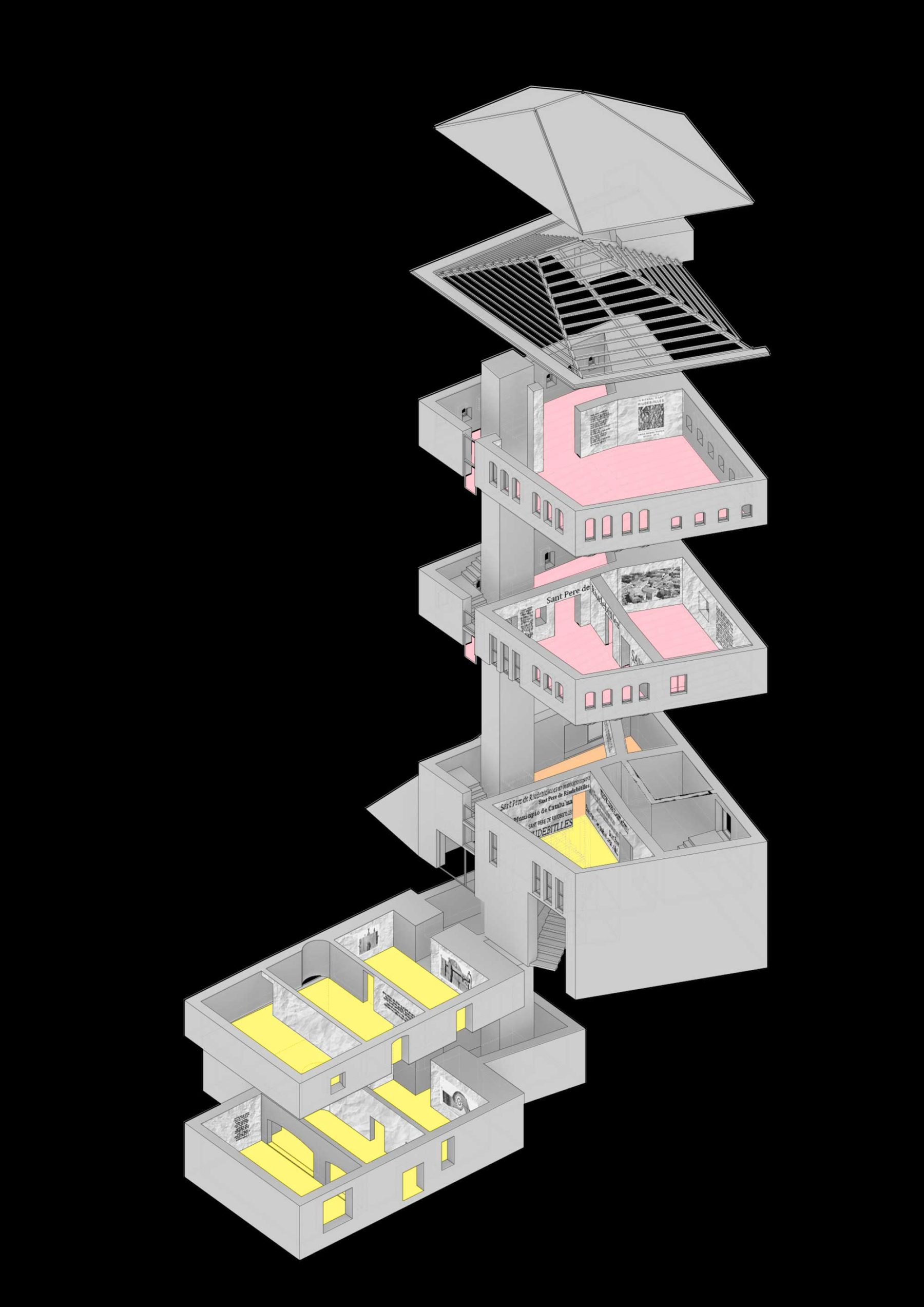
The project proposes the use of paper as the main element in all the interior intervention of the building and museography.
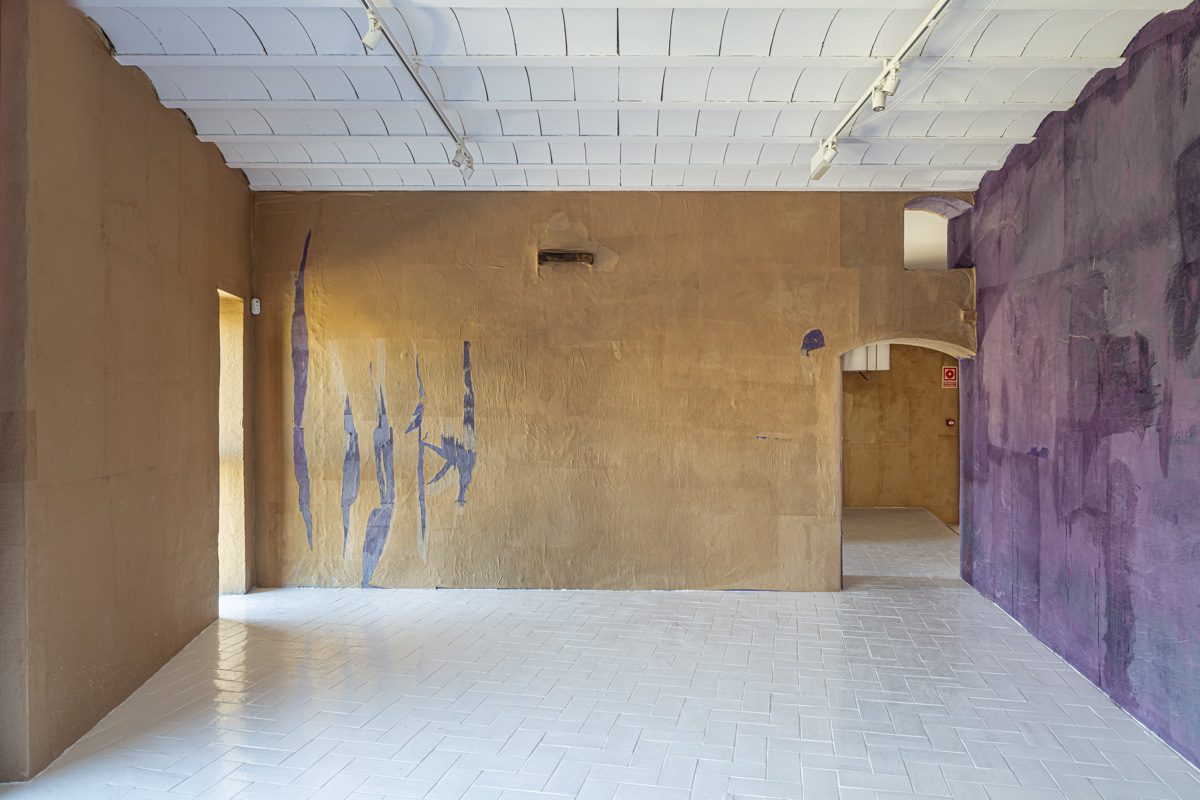
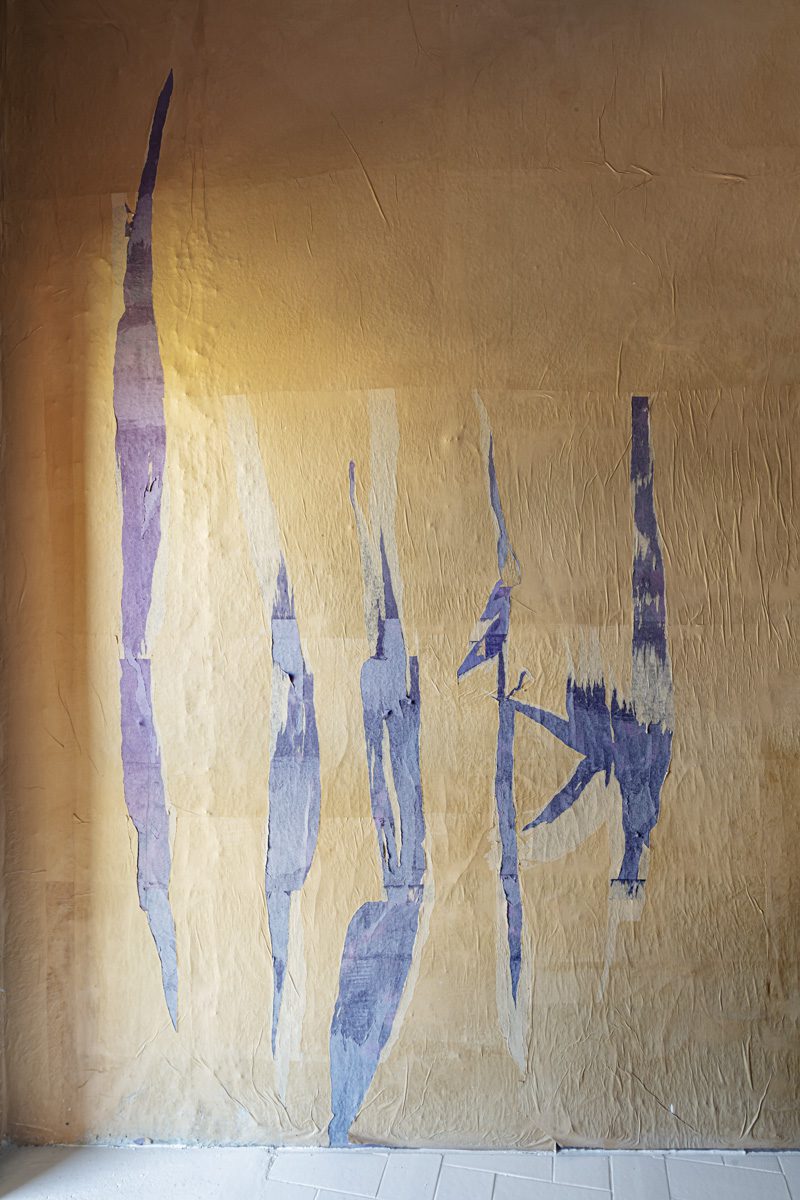
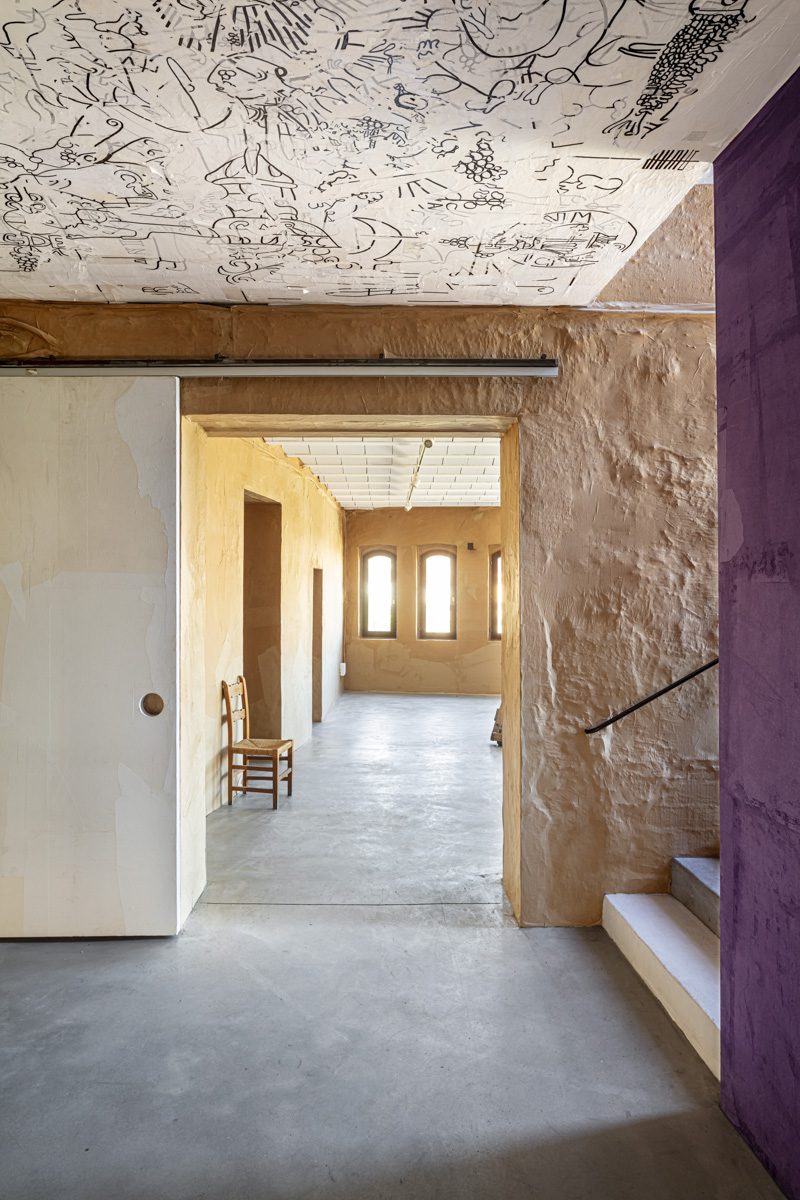
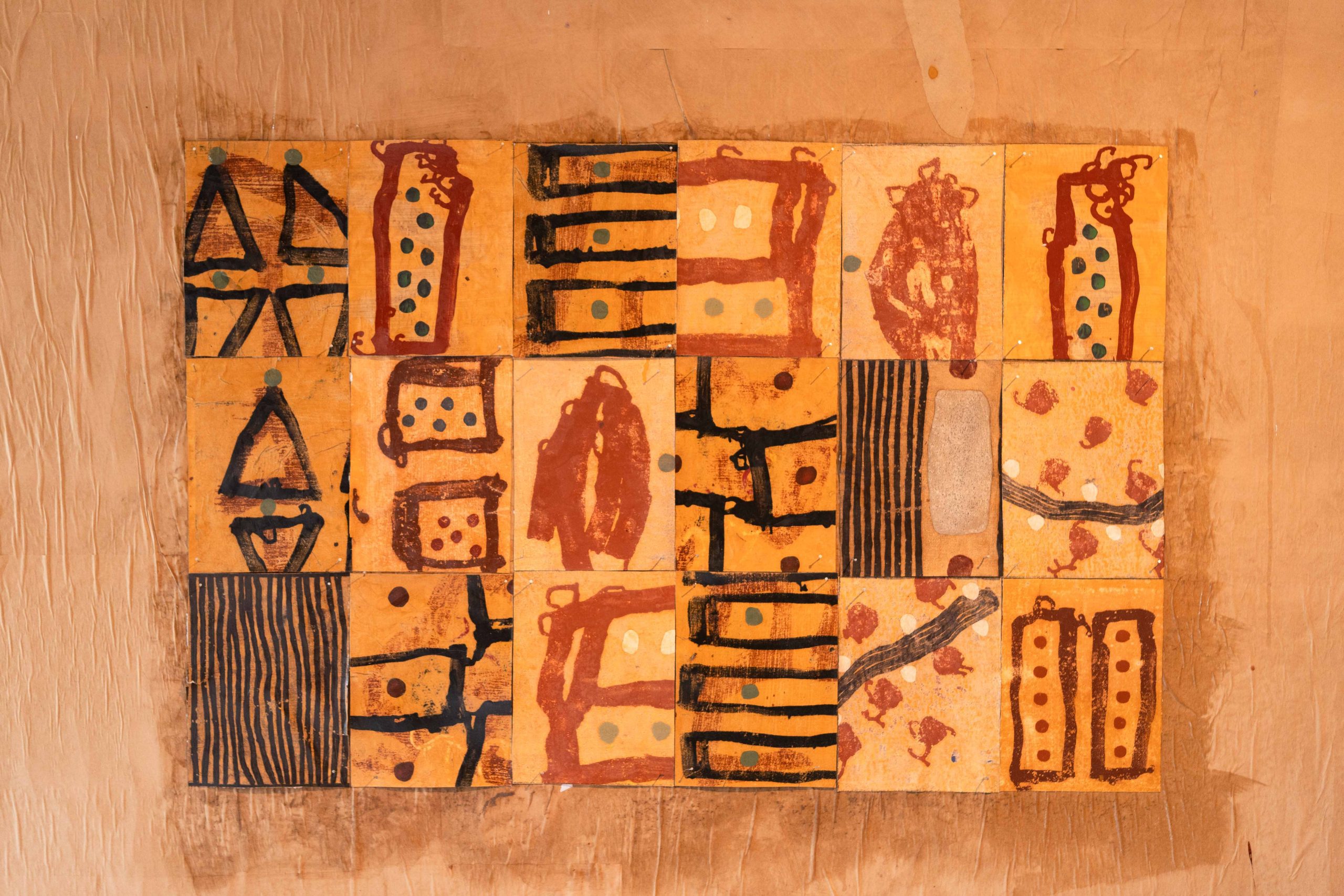
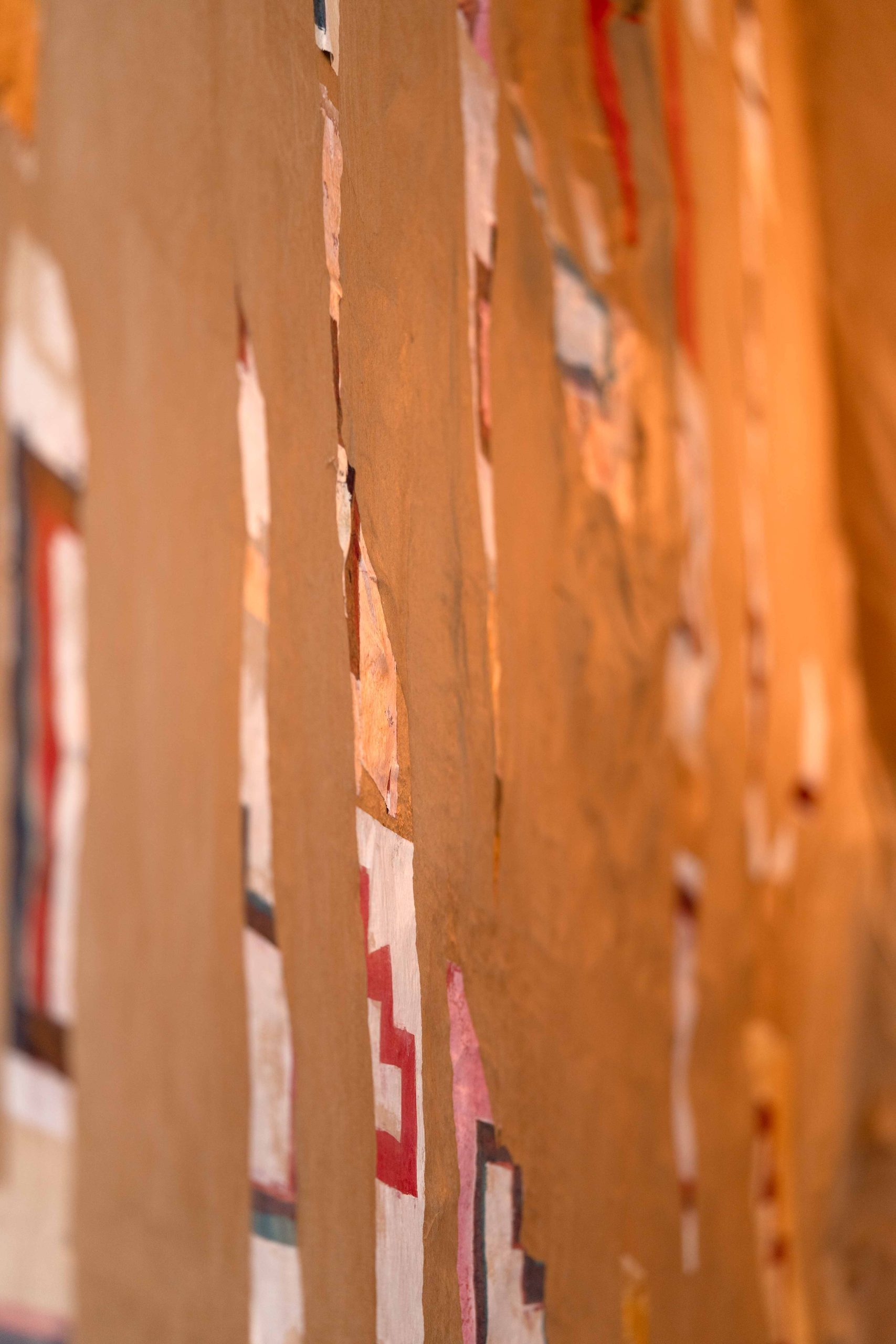
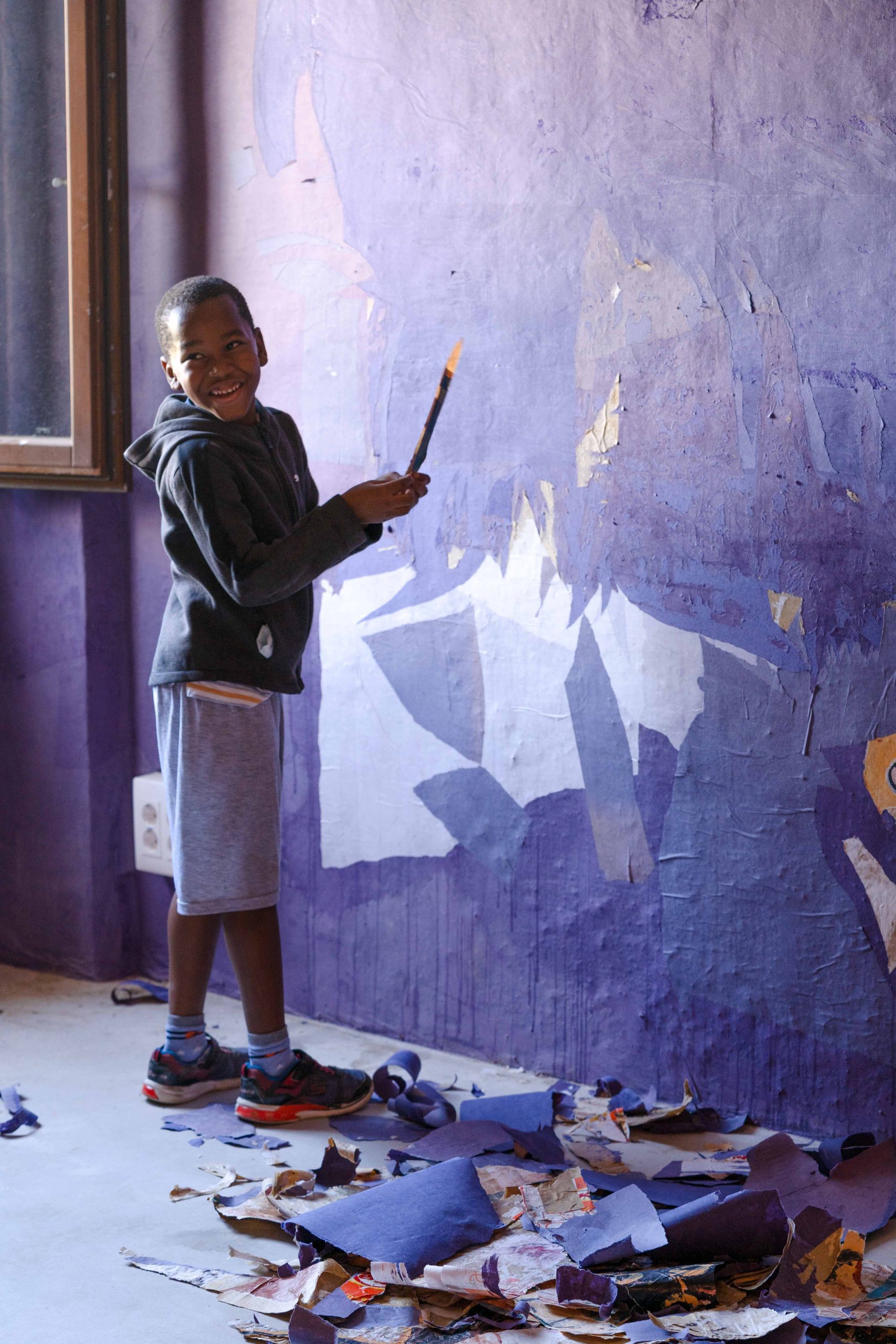
In the lower part, where the machines are located, paper is the support for the informative graphic elements. While on the upper levels dedicated to workshops and various activities, the paper is used as the cladding material for both walls and ceilings. We use white or unbleached paper and leave the possibility of colour in some specific points of the intervention.
We also make use of different textures and materials of these papers so that the menages provide information in a subtle way about this world that we want to explain and share with the visitors and users of the spaces.
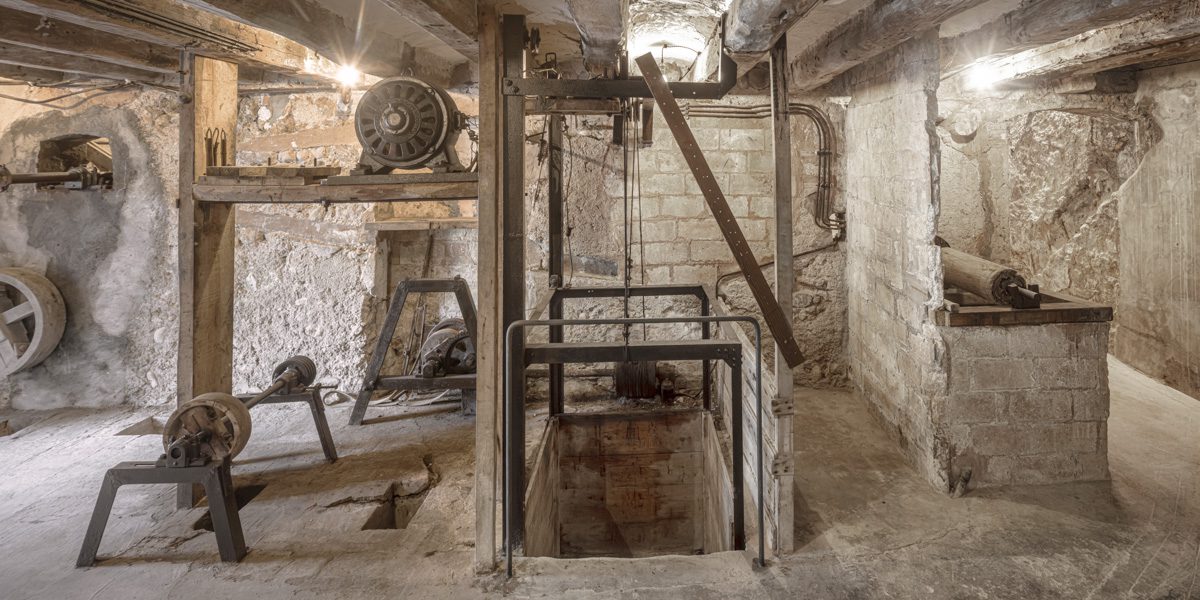
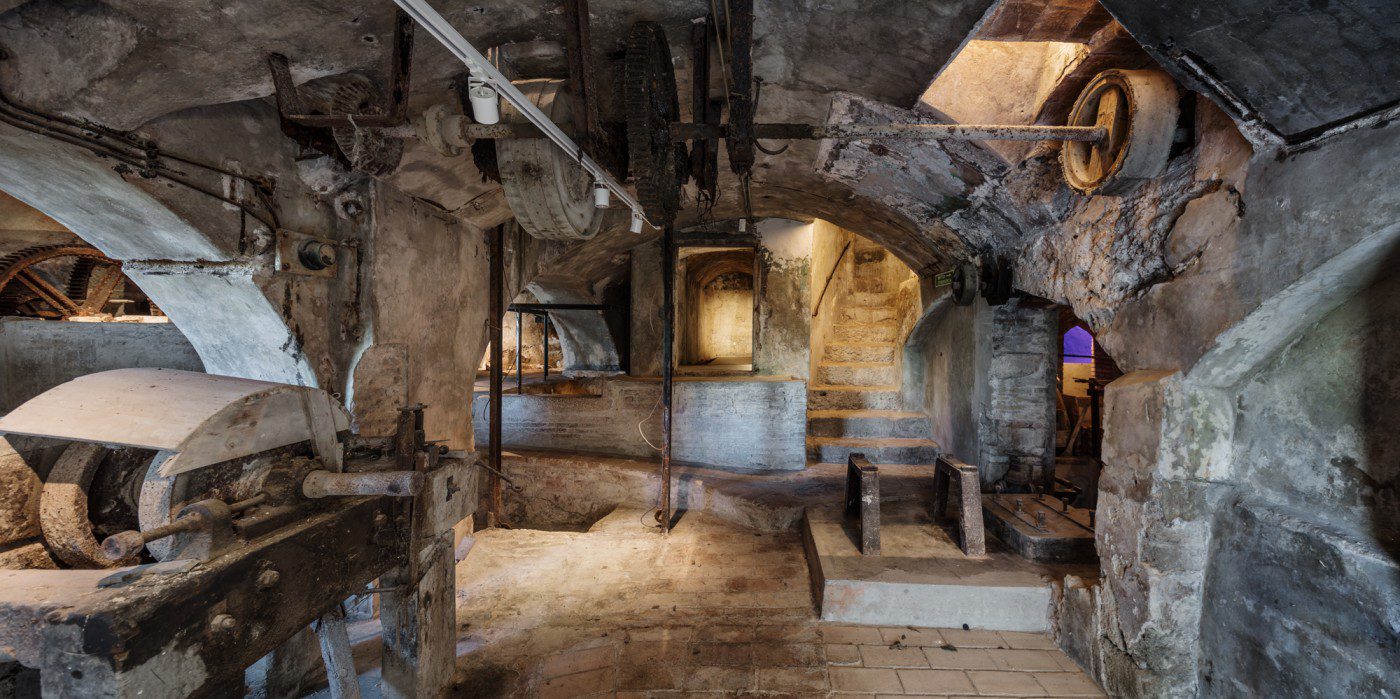
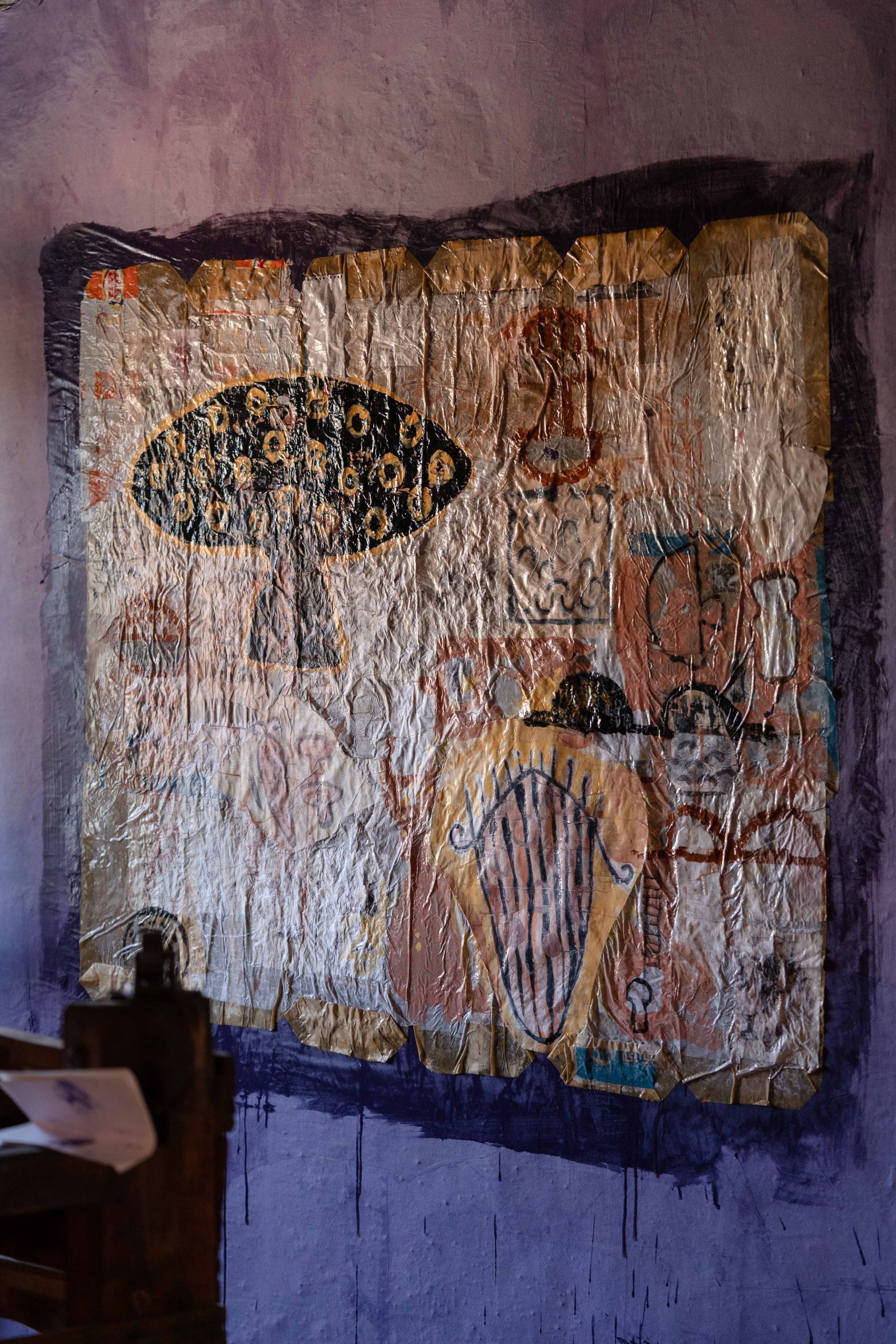
In the lower spaces of the mill, where the machines are, the intervention is to provide information about the recommended route. The information is provided on a paper support, fixed to the walls so that there is no construction element apart from the necessary protections and handrails.
The space below is therefore subject to the minimum intervention.
We believe that the current machines clearly convey the idea of what was. Likewise, we believe that the paper hooked on the brick wall support should be the element that conveys the message of the mill itself, as well as the exhibition spaces. On the upper levels for activities, we wallpapered the inside of the building, as was done in the past in houses, but with different types of paper and textures.
We don’t want to create an artistic intervention, but rather to place the paper in a context of everydayness, simply by covering it.
The project proposes the use of paper as the main element in all the interior intervention of the building and museography.
In the lower part, where the machines are located, paper is the support for the informative graphic elements. While on the upper levels dedicated to workshops and various activities, the paper is used as the cladding material for both walls and ceilings. We use white or unbleached paper and leave the possibility of colour in some specific points of the intervention.
We also make use of different textures and materials of these papers so that the menages provide information in a subtle way about this world that we want to explain and share with the visitors and users of the spaces.
In the lower spaces of the mill, where the machines are, the intervention is to provide information about the recommended route. The information is provided on a paper support, fixed to the walls so that there is no construction element apart from the necessary protections and handrails.
The space below is therefore subject to the minimum intervention.
We believe that the current machines clearly convey the idea of what was. Likewise, we believe that the paper hooked on the brick wall support should be the element that conveys the message of the mill itself, as well as the exhibition spaces. On the upper levels for activities, we wallpapered the inside of the building, as was done in the past in houses, but with different types of paper and textures.
We don’t want to create an artistic intervention, but rather to place the paper in a context of everydayness, simply by covering it.
The project proposes the use of paper as the main element in all the interior intervention of the building and museography.
In the lower part, where the machines are located, paper is the support for the informative graphic elements. While on the upper levels dedicated to workshops and various activities, the paper is used as the cladding material for both walls and ceilings. We use white or unbleached paper and leave the possibility of colour in some specific points of the intervention.
We also make use of different textures and materials of these papers so that the menages provide information in a subtle way about this world that we want to explain and share with the visitors and users of the spaces.
In the lower spaces of the mill, where the machines are, the intervention is to provide information about the recommended route. The information is provided on a paper support, fixed to the walls so that there is no construction element apart from the necessary protections and handrails.
The space below is therefore subject to the minimum intervention.
We believe that the current machines clearly convey the idea of what was. Likewise, we believe that the paper hooked on the brick wall support should be the element that conveys the message of the mill itself, as well as the exhibition spaces. On the upper levels for activities, we wallpapered the inside of the building, as was done in the past in houses, but with different types of paper and textures.
We don’t want to create an artistic intervention, but rather to place the paper in a context of everydayness, simply by covering it.