


Restricted Competition, Winner
Plug-in Building
Client
22@ Poblenou
Location
Barcelona, Spain
Year
2006-2011
Surface
7000 m²
Awards
Awards
2014 COAC Architects’ Association Catalonia, Catalan Architecture Awards – Winner
2014 Grupo Ascensores Enor, Enor Architectural Awards – Selected
2012 Barcelona City Council, City of Barcelona Architecture and Urbanism Awards – Finalist
2011 Archdaily Building of the Year – Selected
2011 Plataforma Arquitectura Work of the Year – Selected
2014 COAC Architects’ Association Catalonia, Catalan Architecture Awards – Winner
2014 Grupo Ascensores Enor, Enor Architectural Awards – Selected
2012 Barcelona City Council, City of Barcelona Architecture and Urbanism Awards – Finalist
2011 ArchDaily Building of the Year – Selected
2011 Plataforma Arquitectura Work of the Year – Selected
Overview
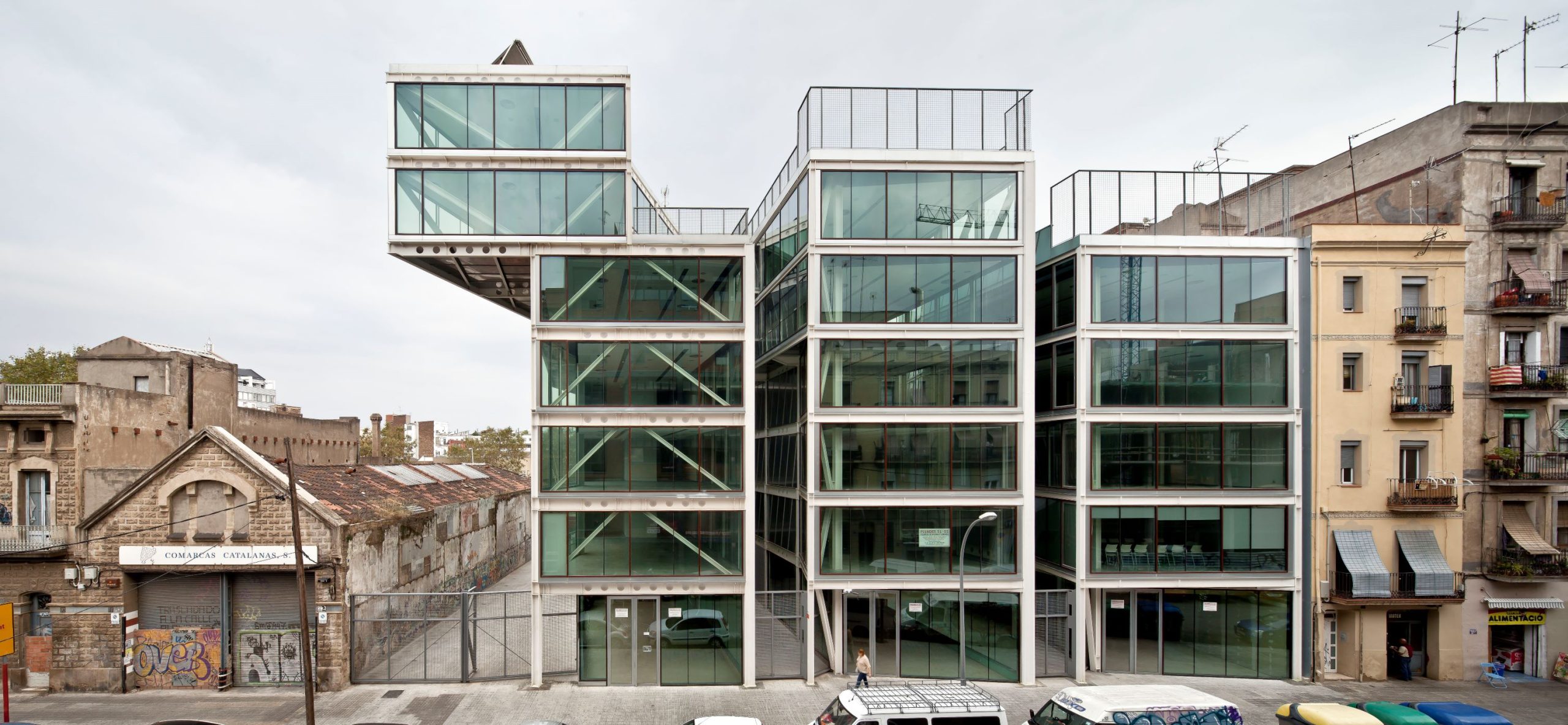
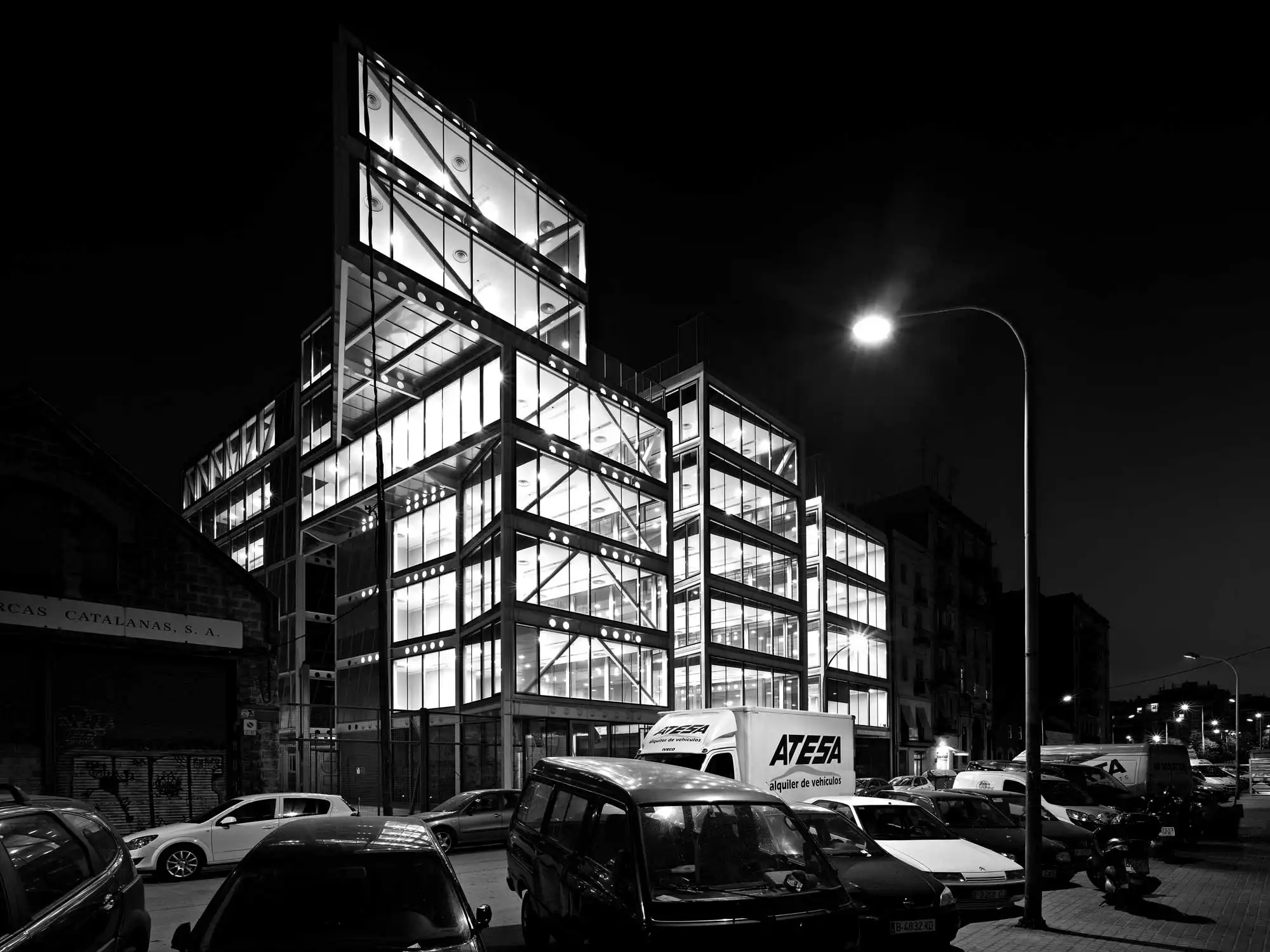
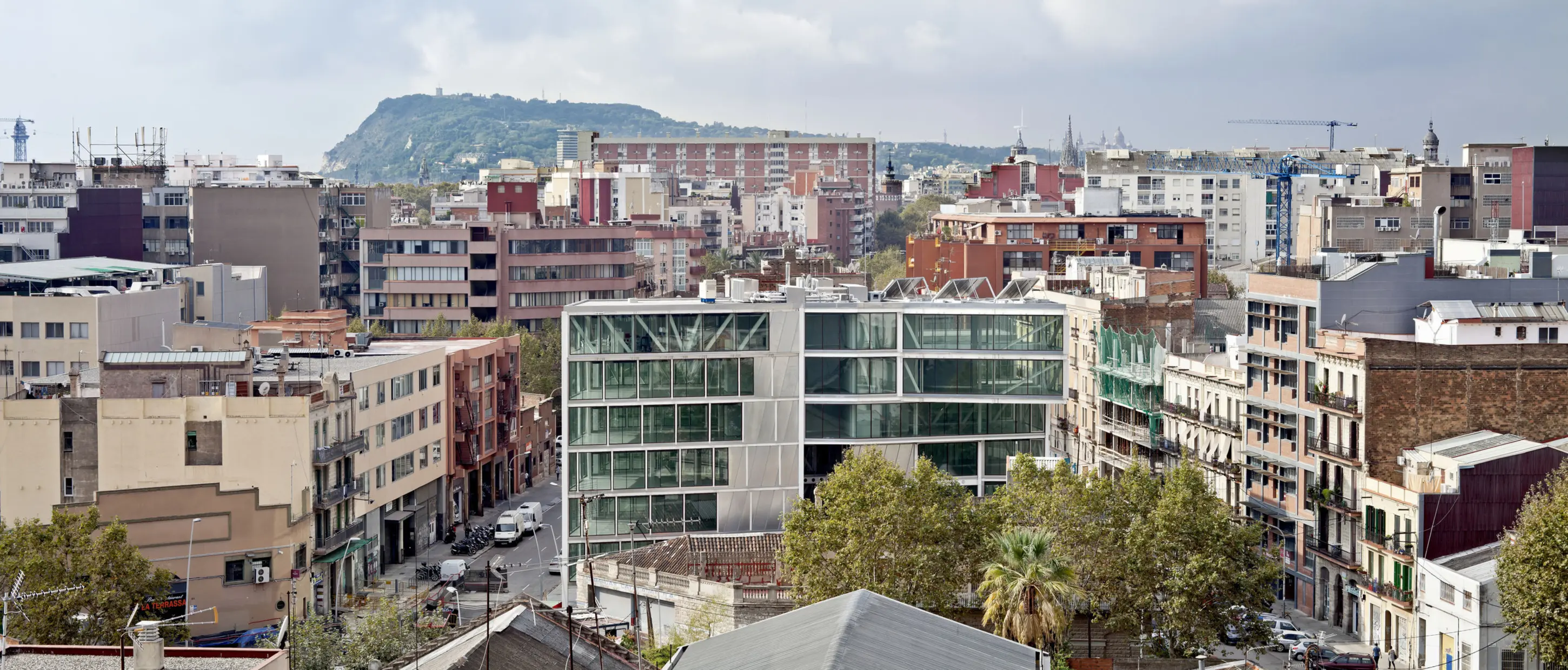
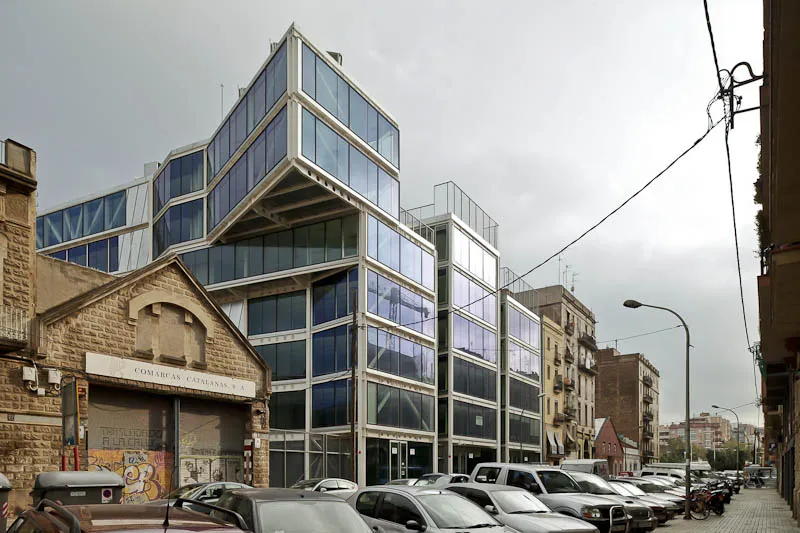
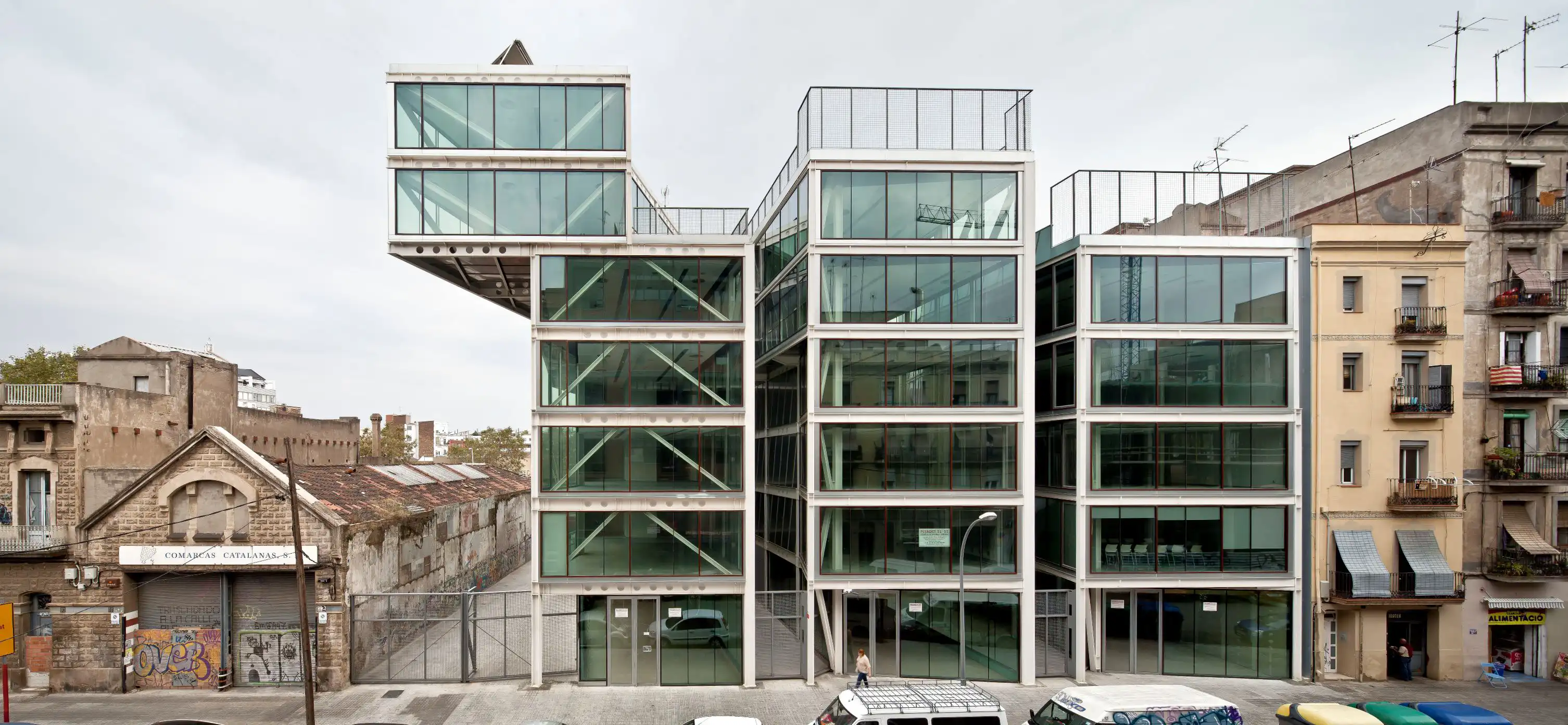
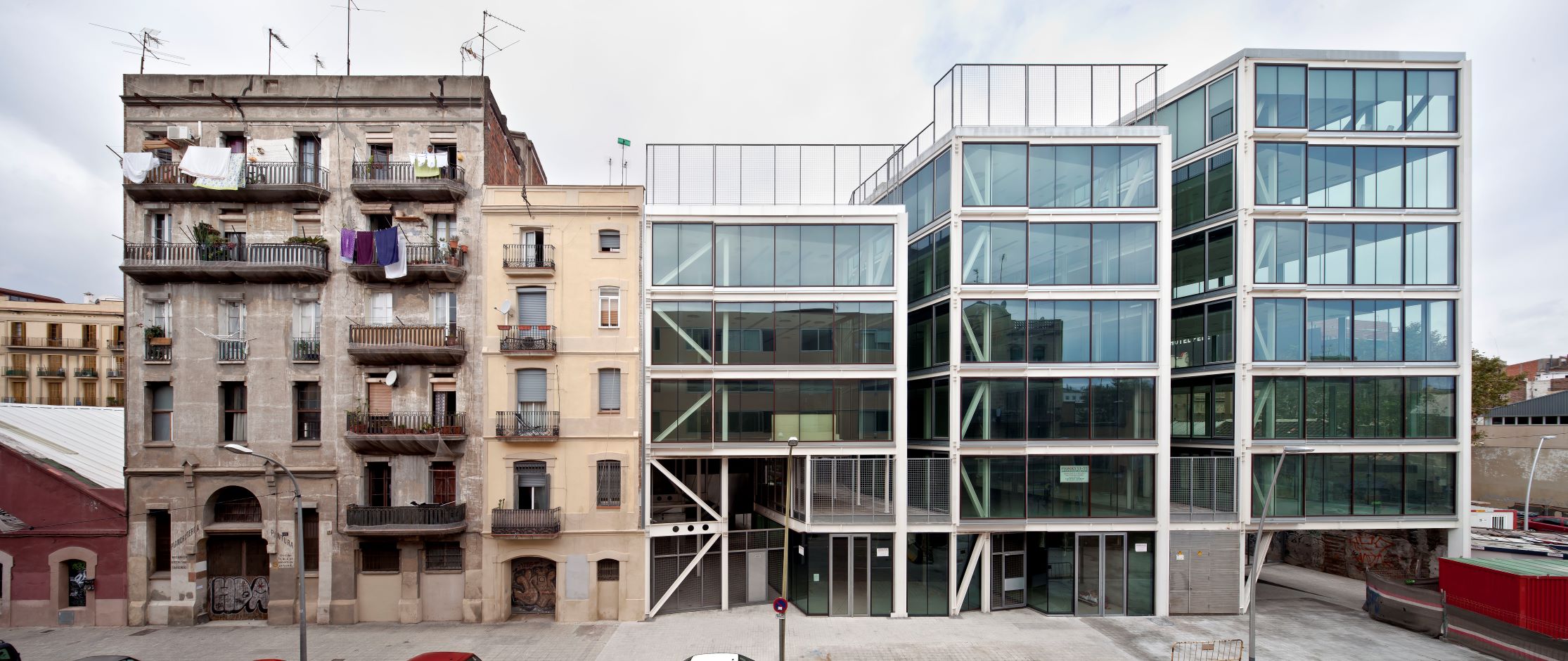
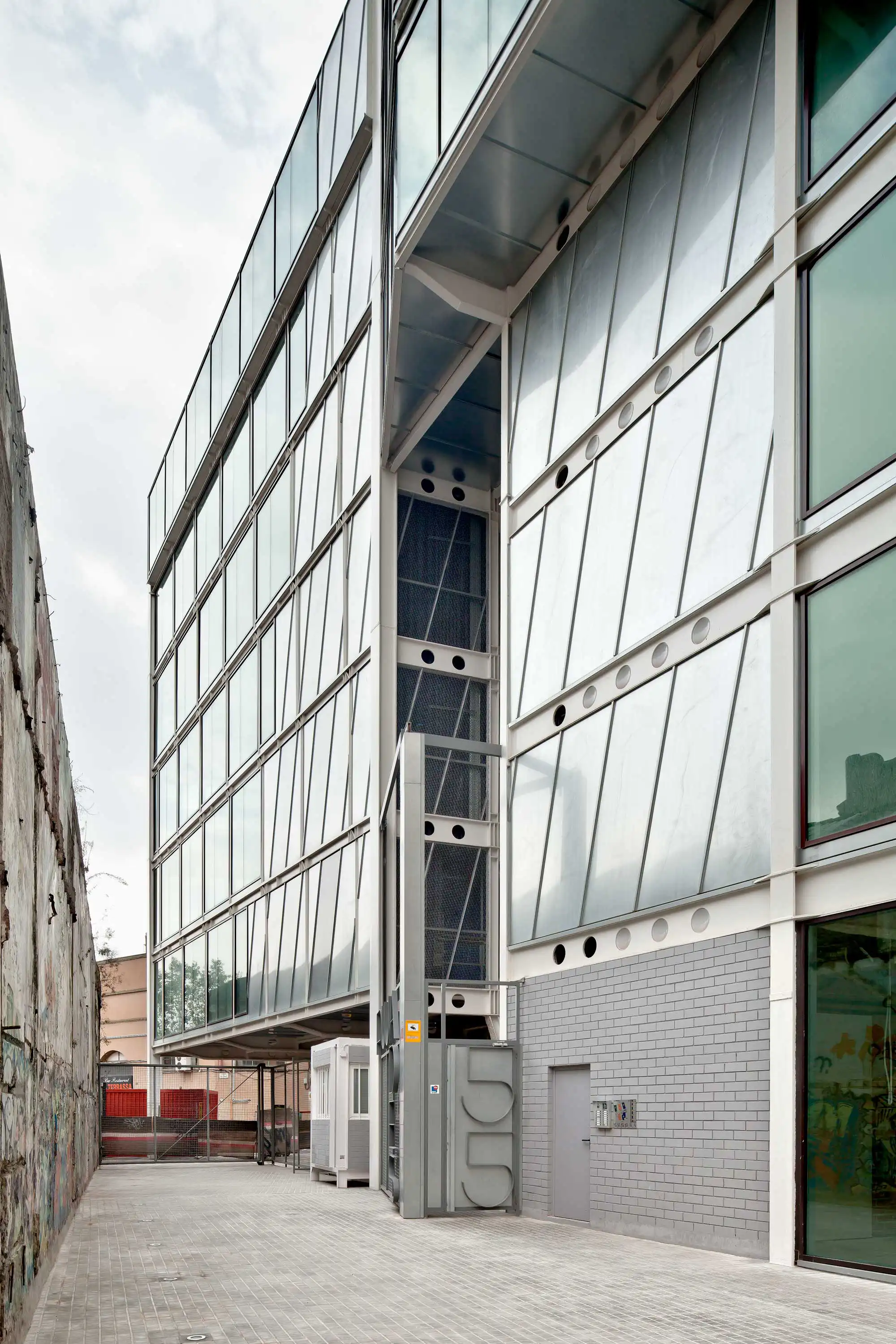
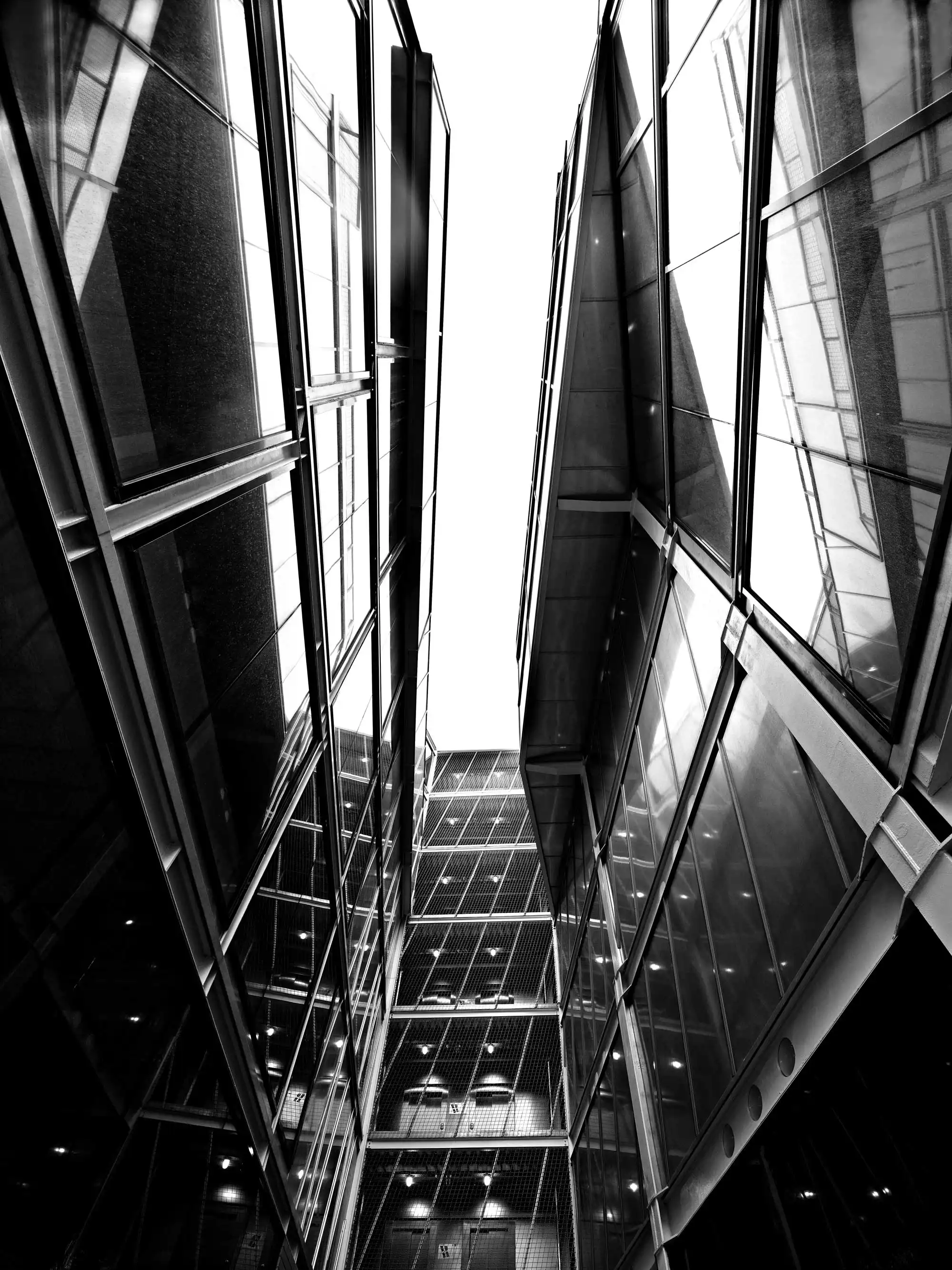
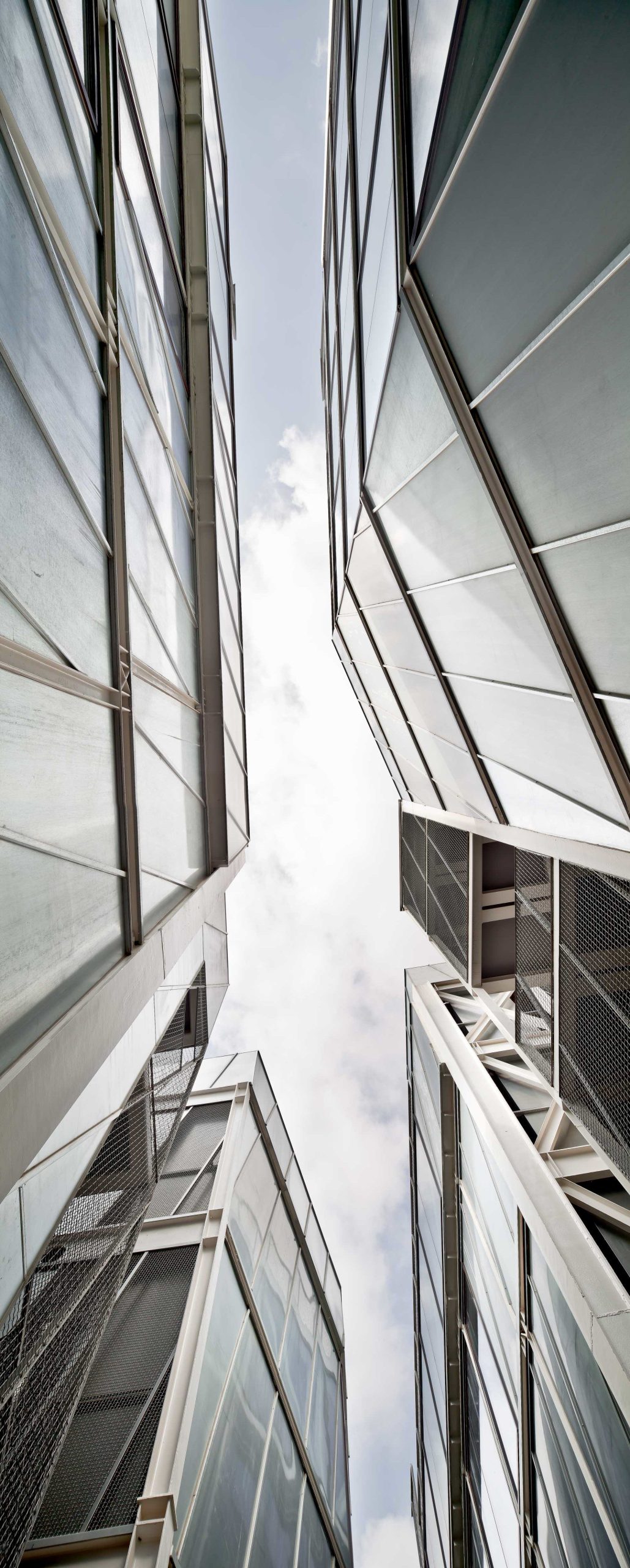
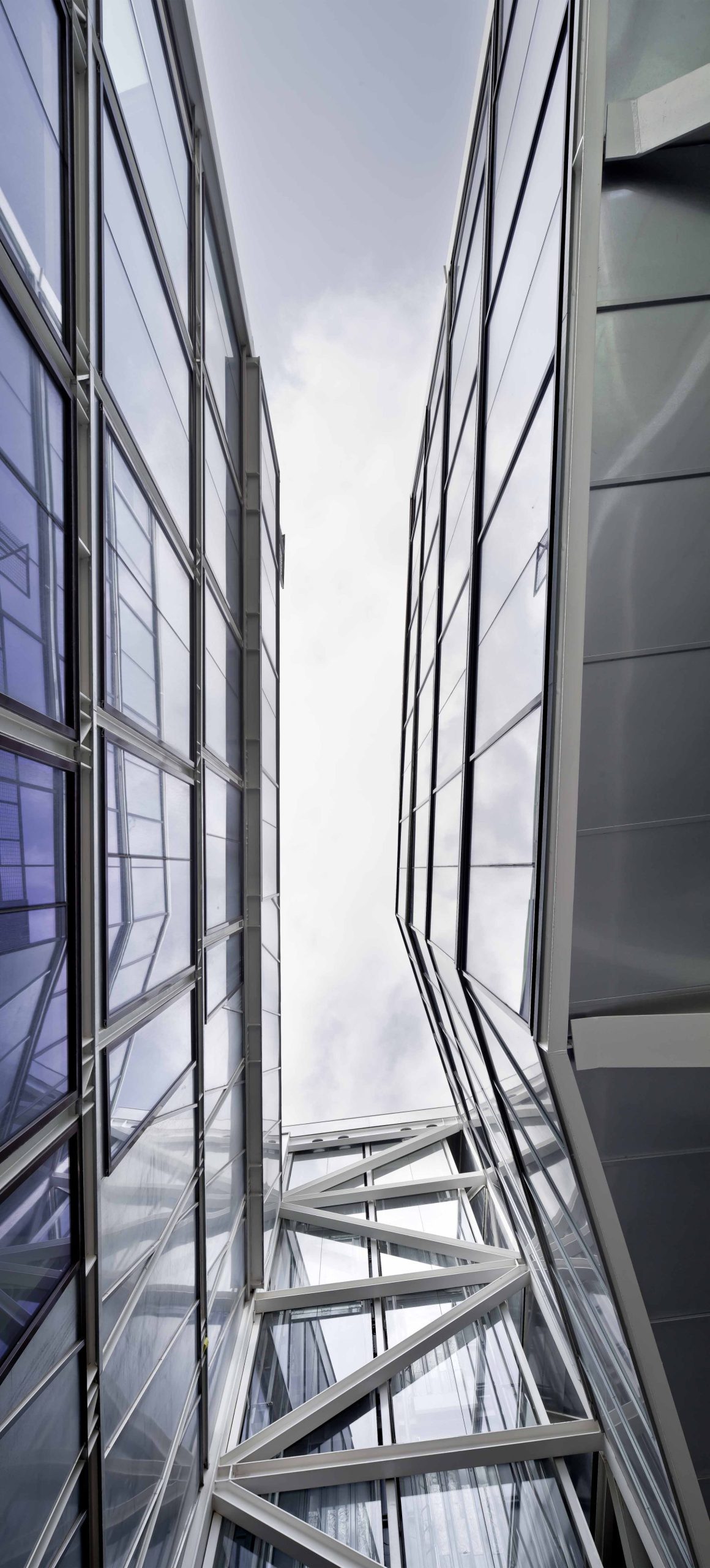
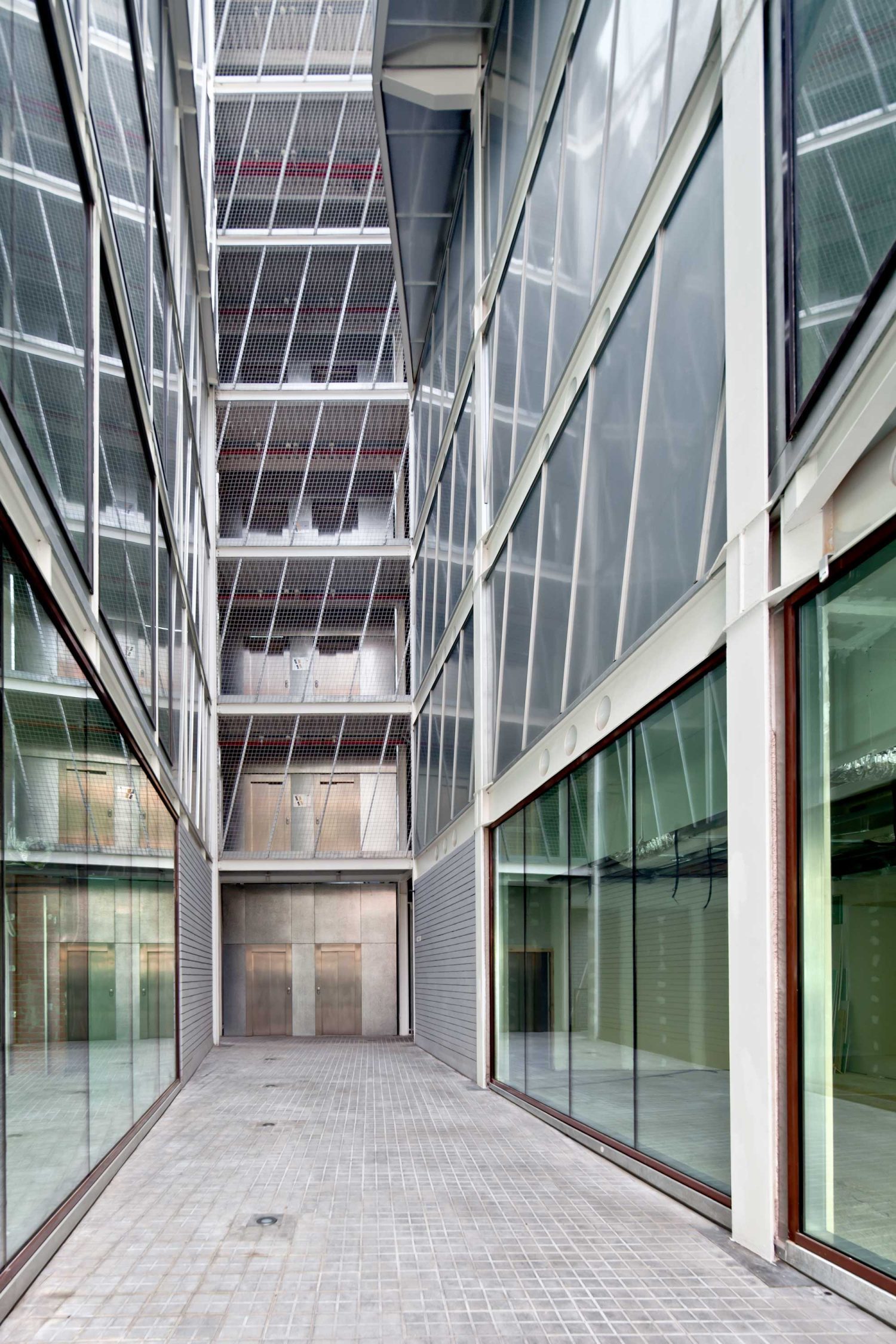
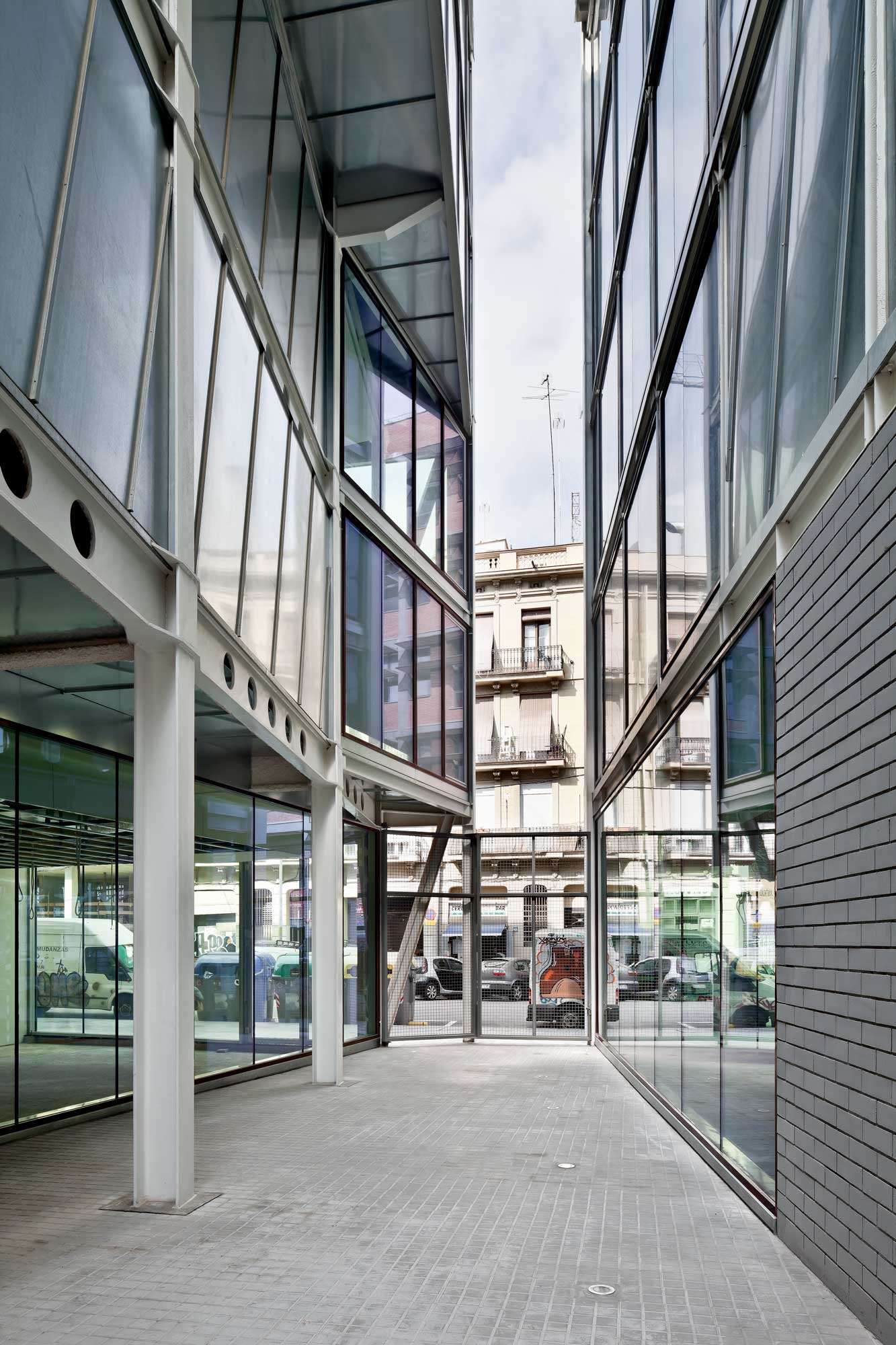
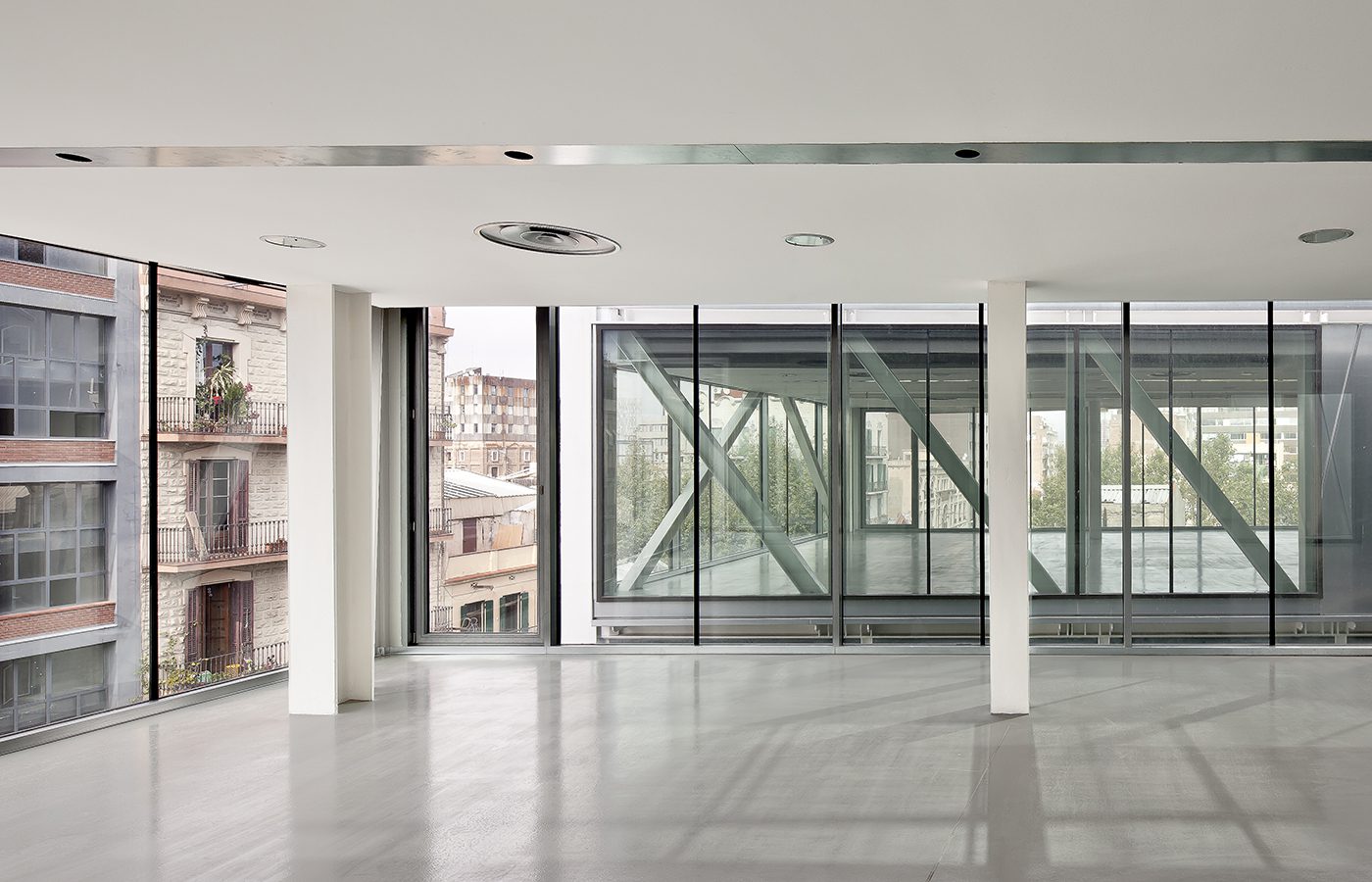
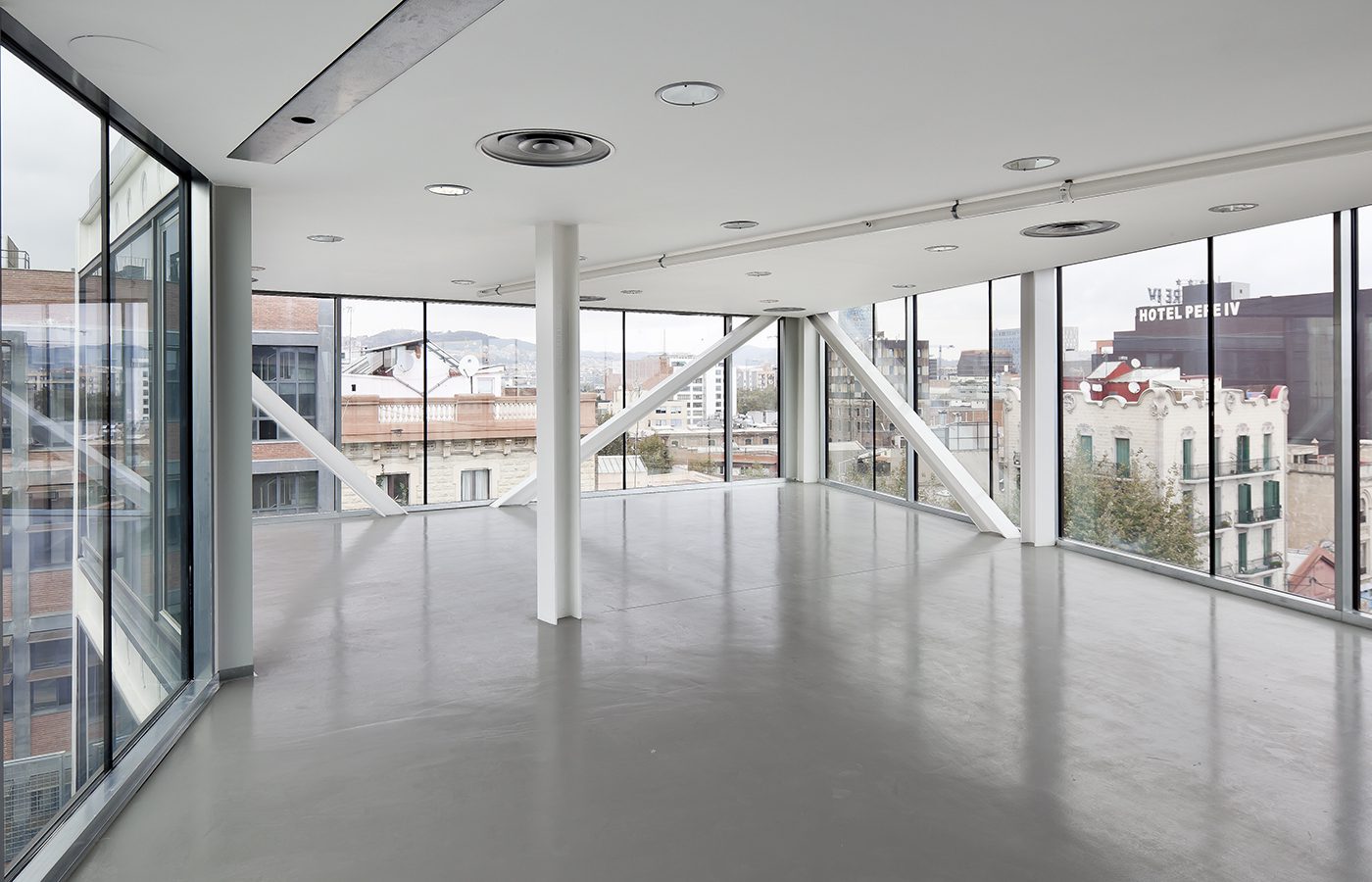
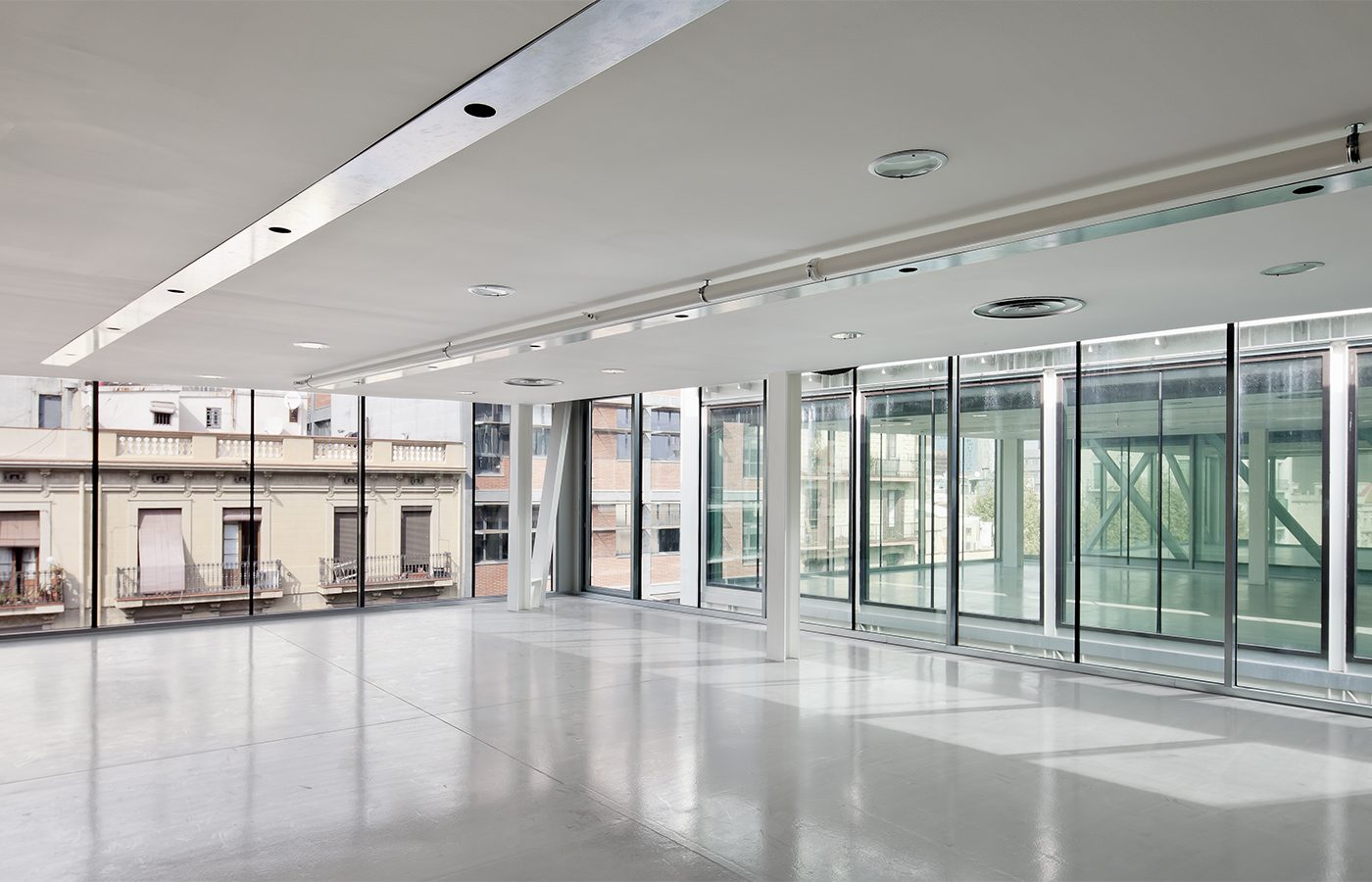
The aim of the project is to rebuild from the old parcellation rules, following a geometry that obeys Pere IV Street orientation. The building organizes itself from an optimal distance between blocks locating a series of offices. The results are the three main buildings crossing from Pujades Street to Pere IV. Through the elevations of the building transversal secondary streets appear between the three structures, as if they were passages illuminating the interior spaces of the offices.
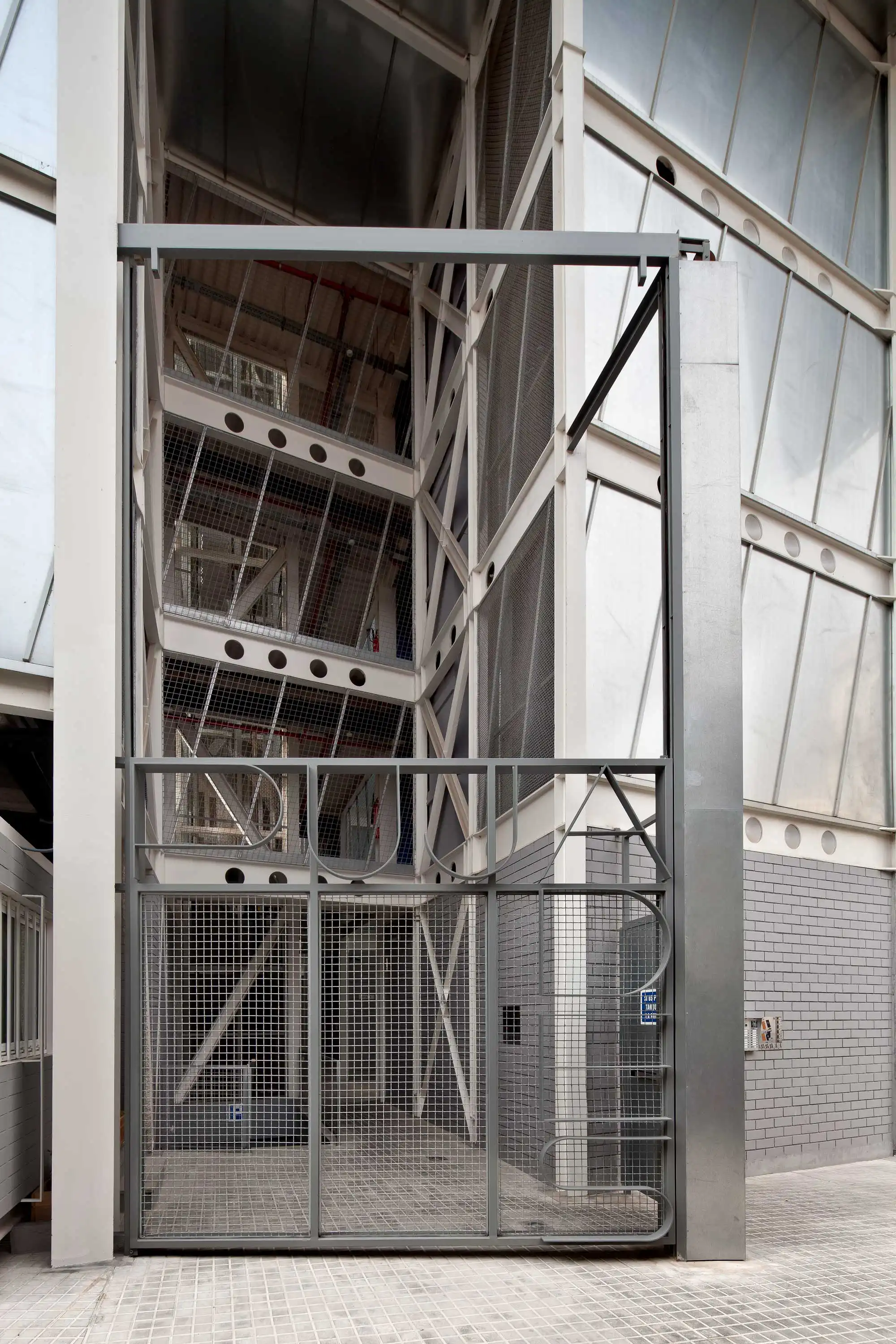
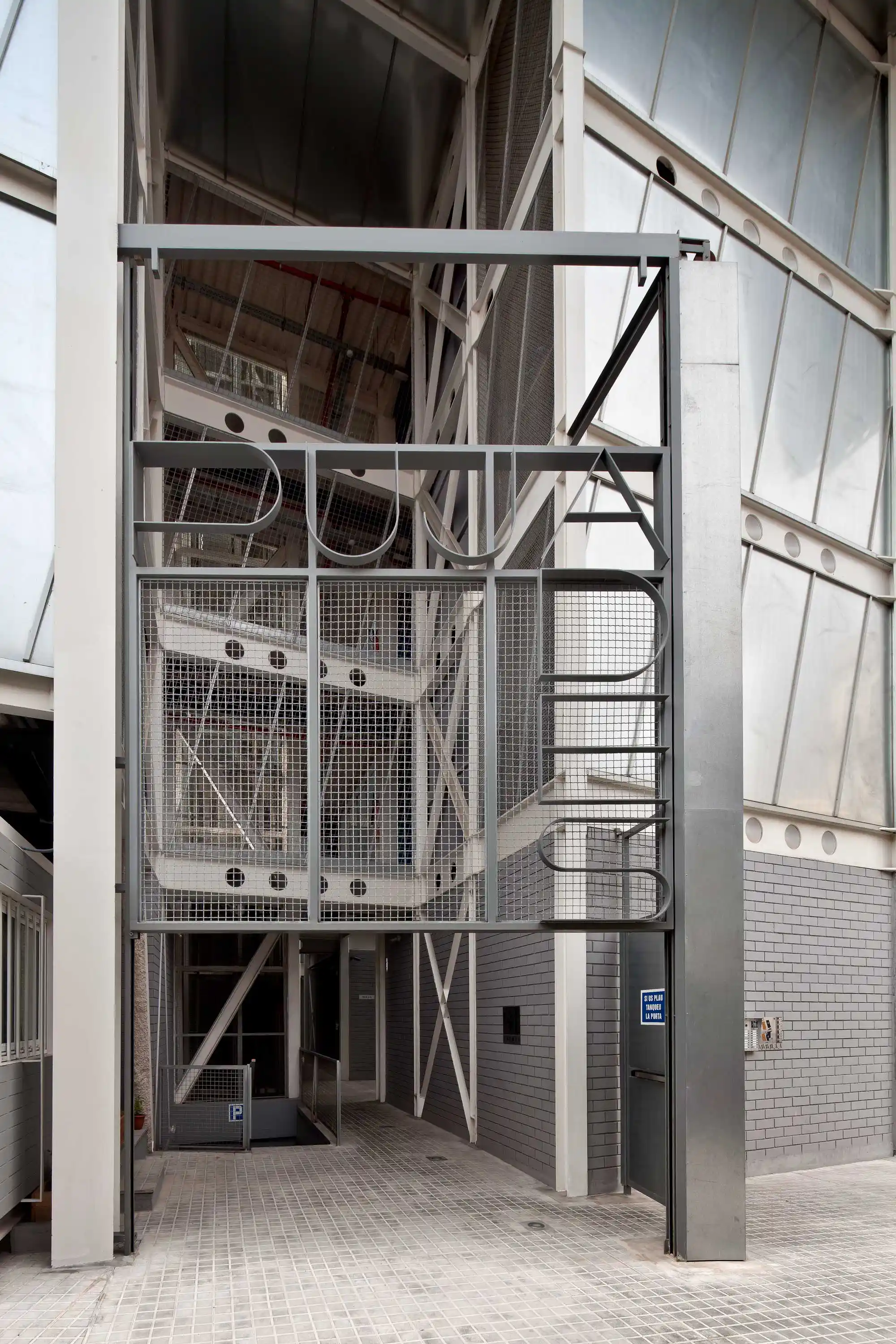
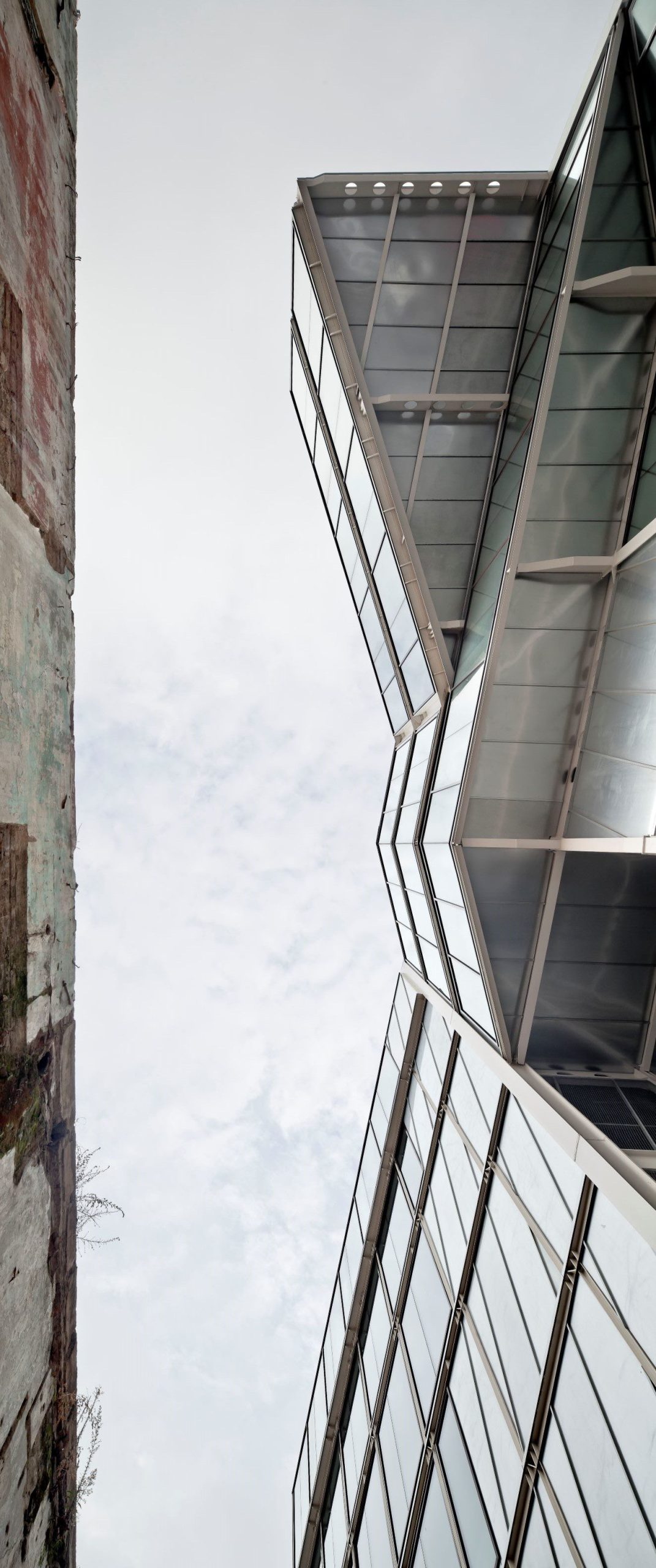
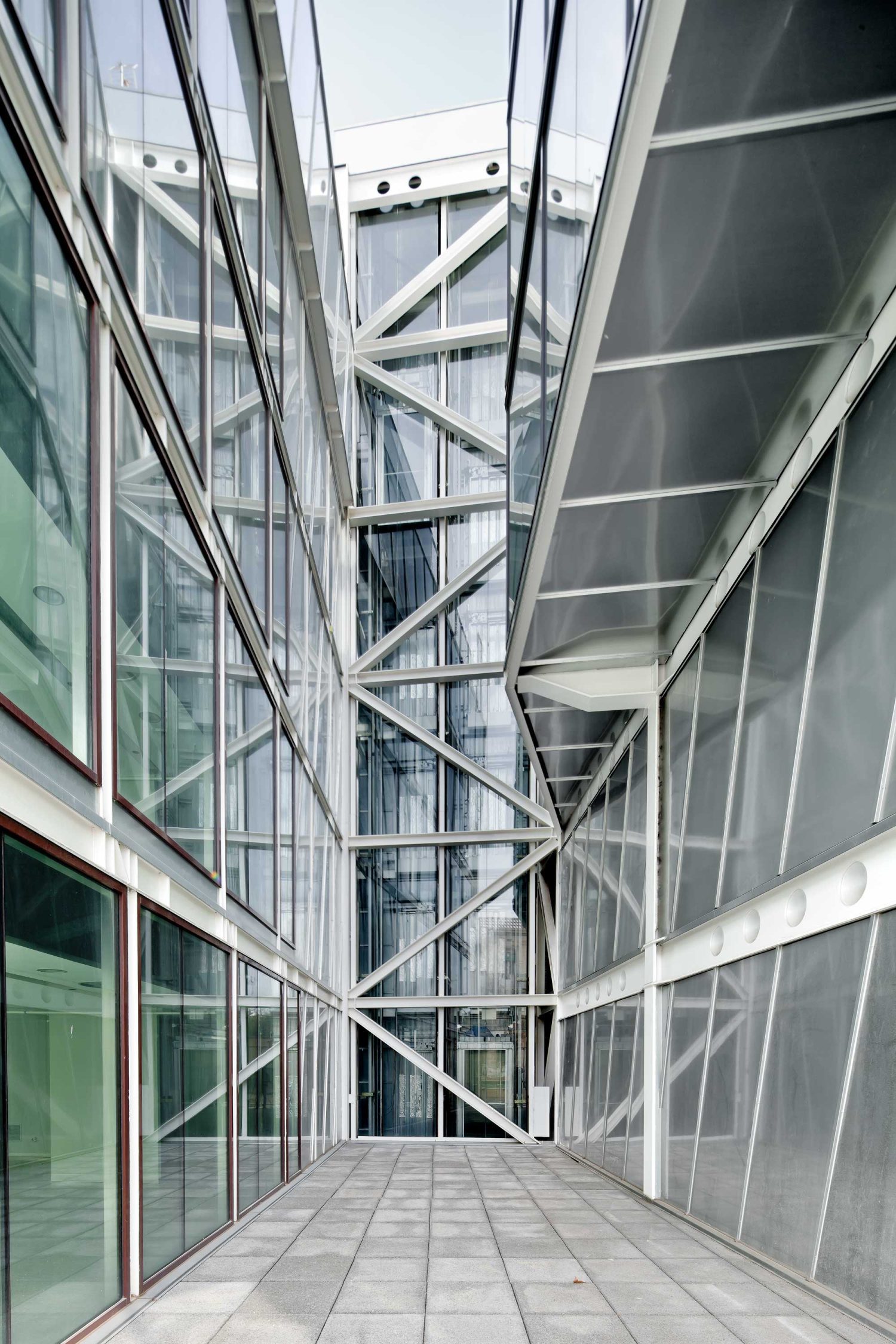
Consequently, the volumetry presents some doubts about its alignment with the passage or the street courtyard and in relation to the existing industrial building on Pamplona Street. That’s the reason why the building reacts and overflies the old construction on the upper floors. The spatial complexity is broken into a middle point between the main streets. A transversal axe provides vertical access with stairs, elevators and vertical pipe and metallic duct installations.
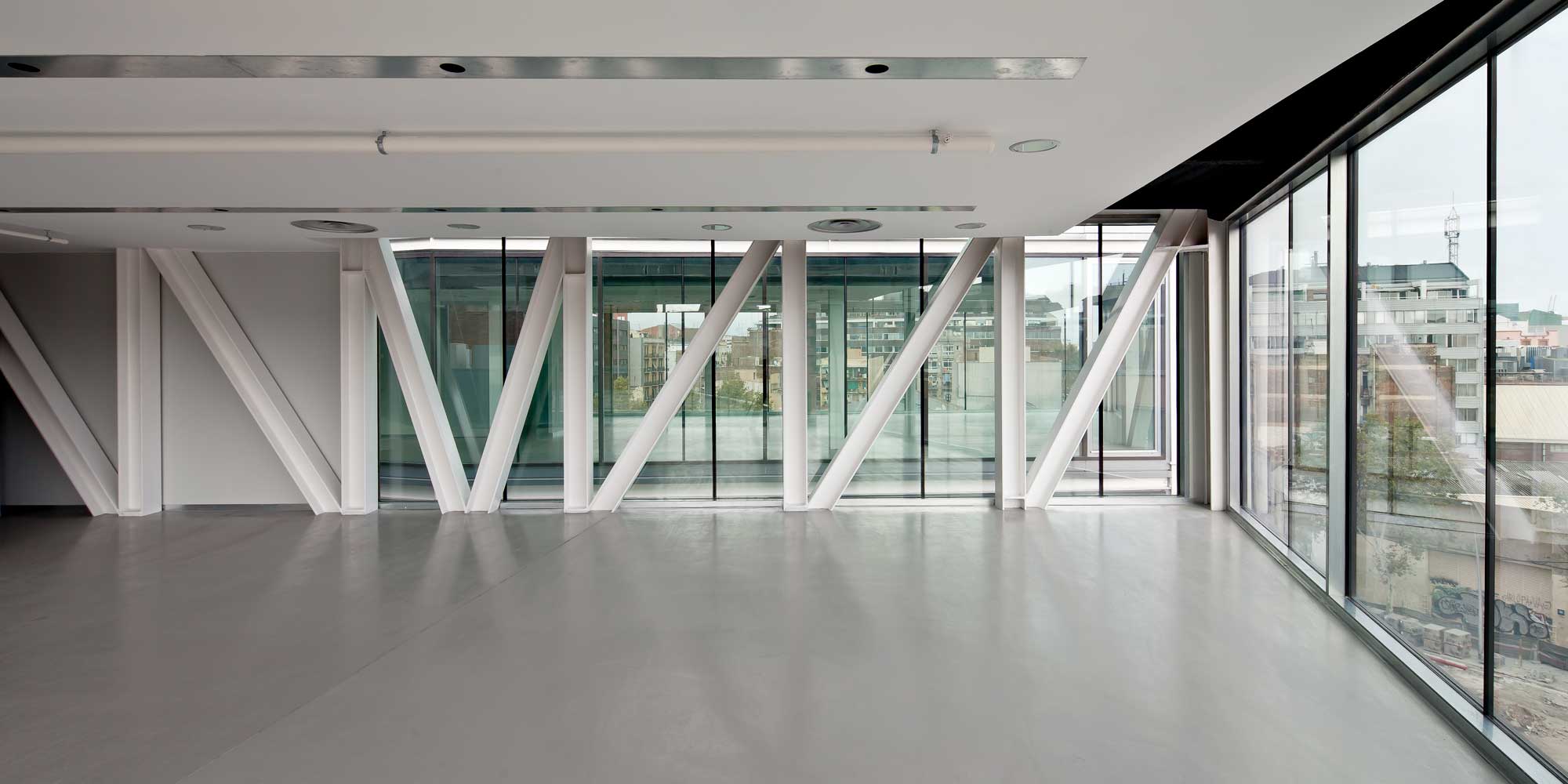
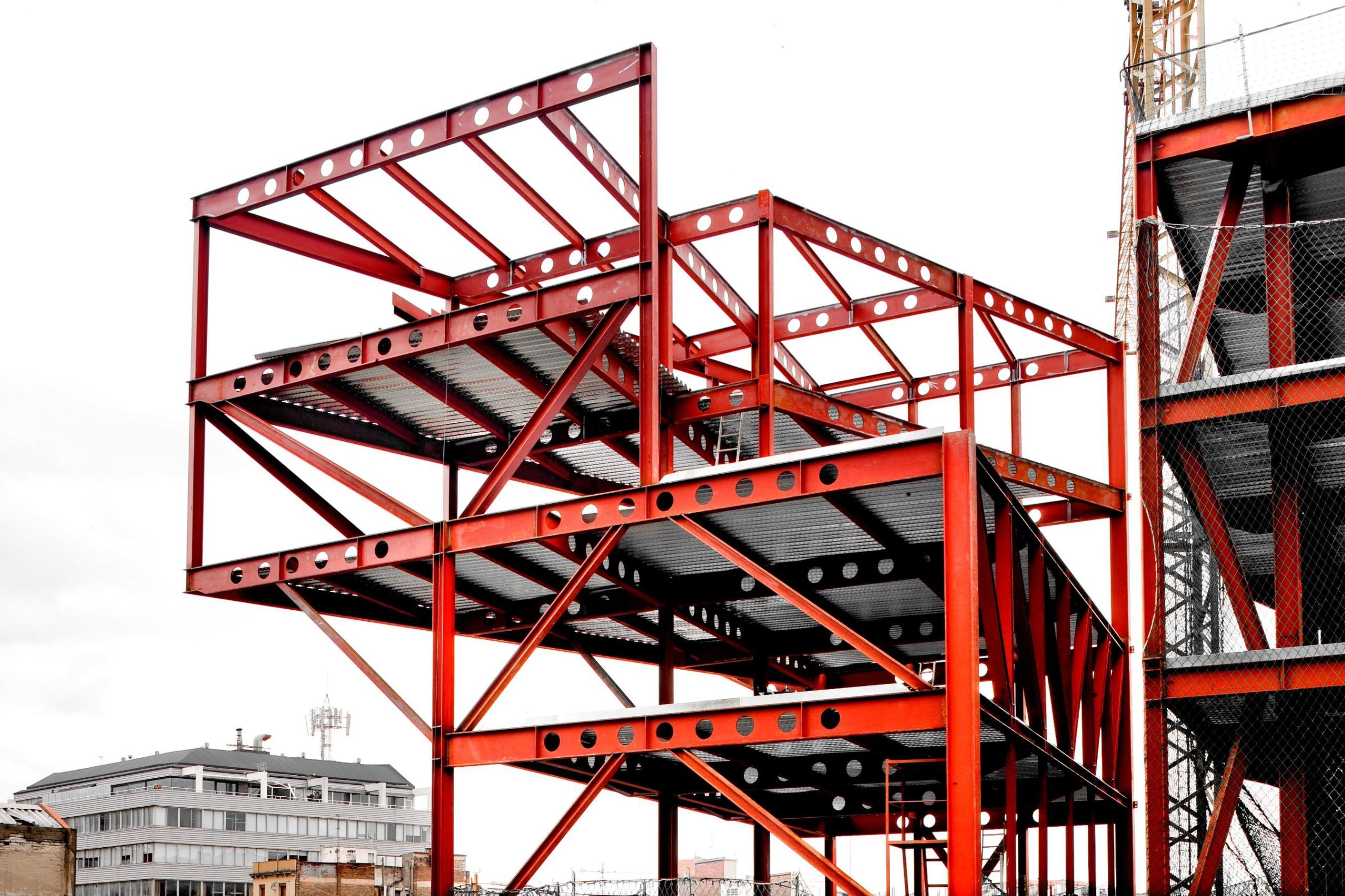
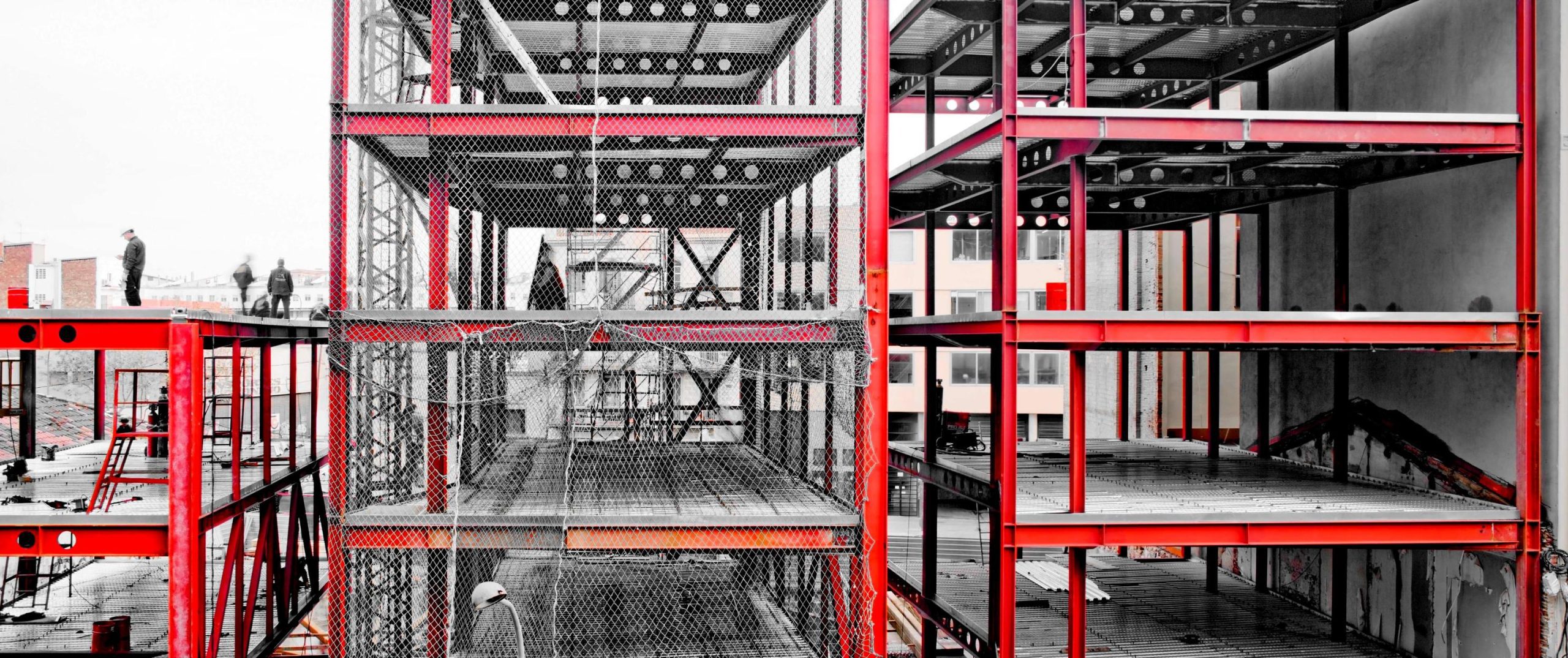
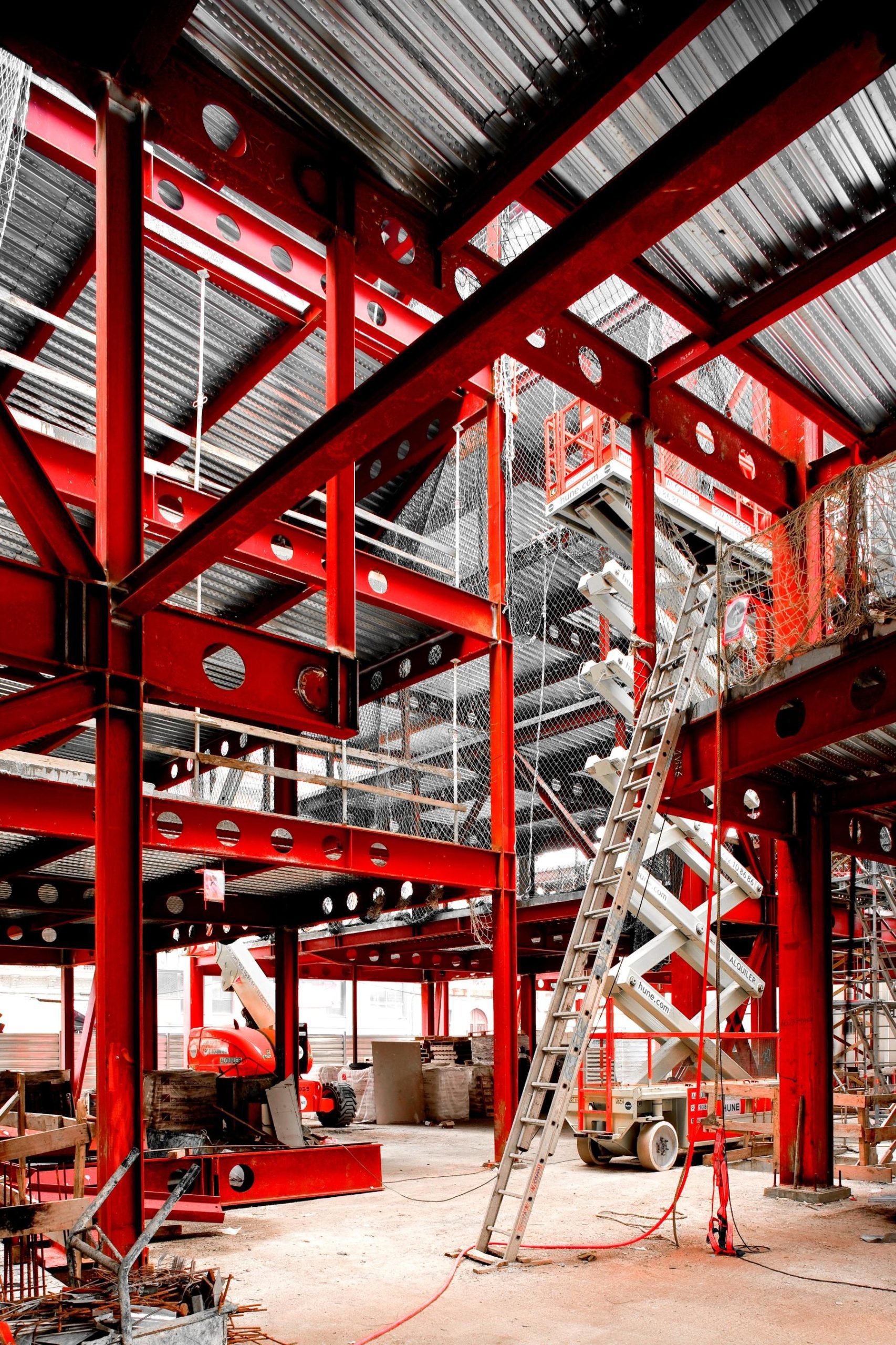
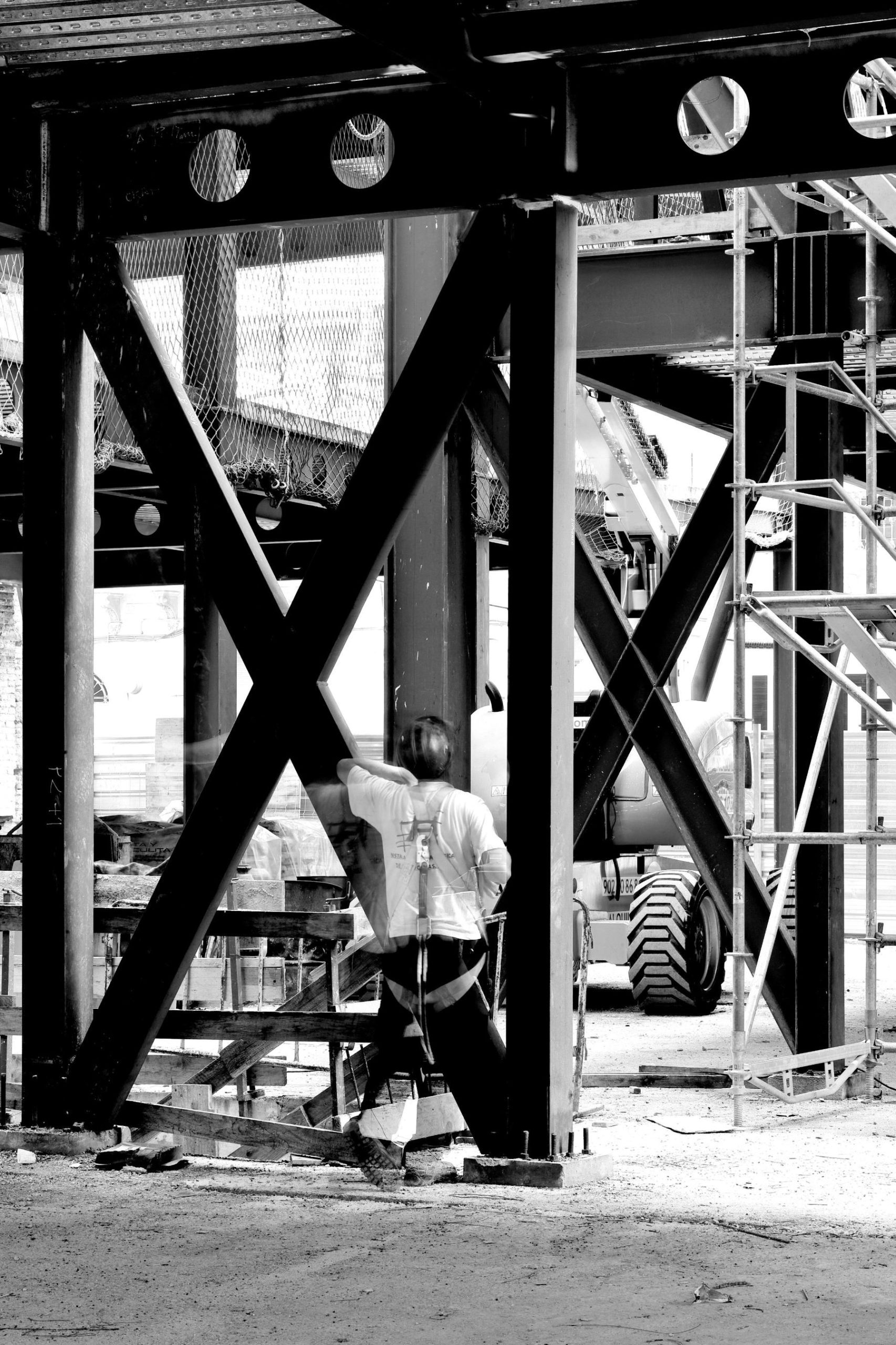
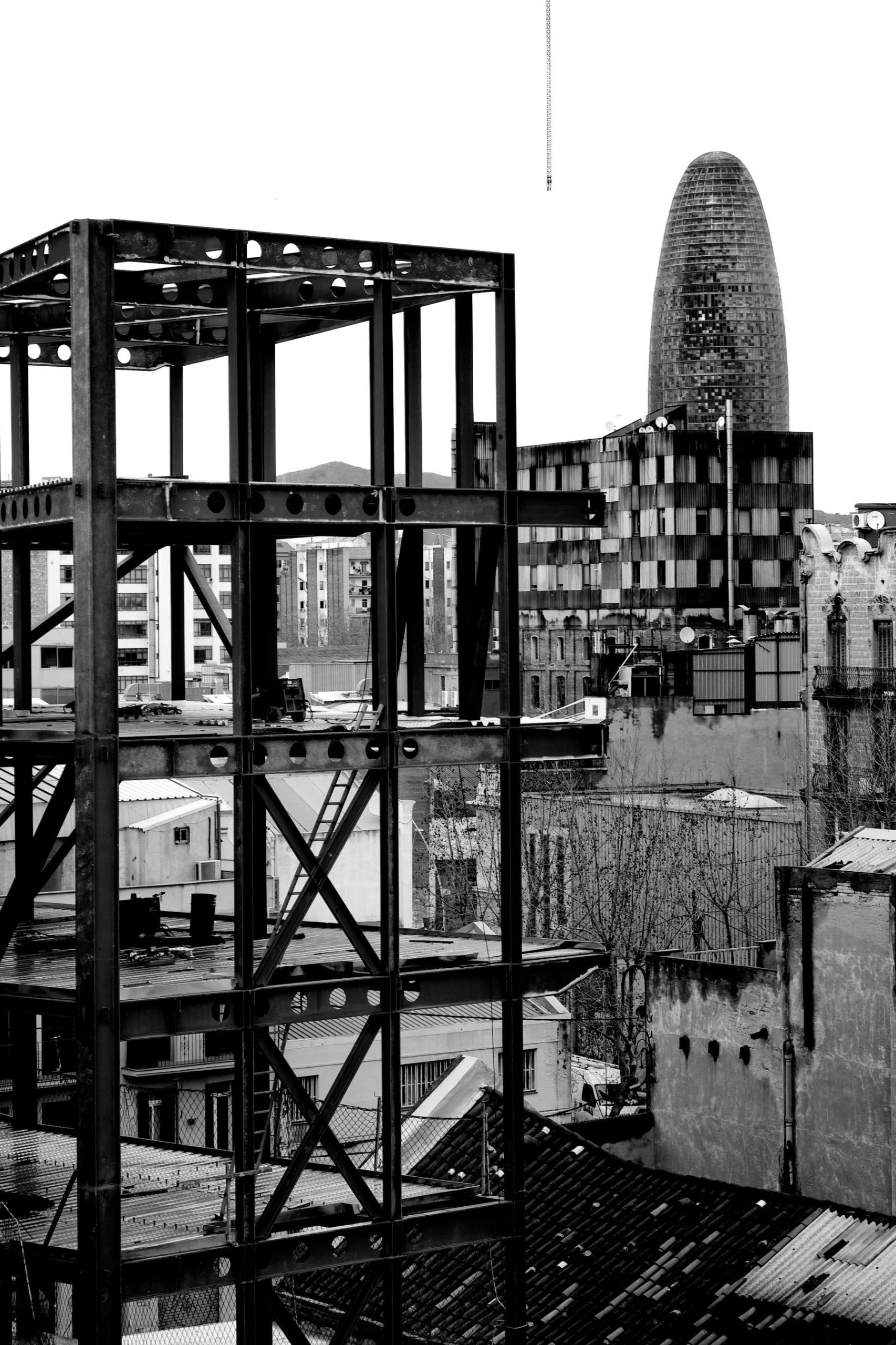
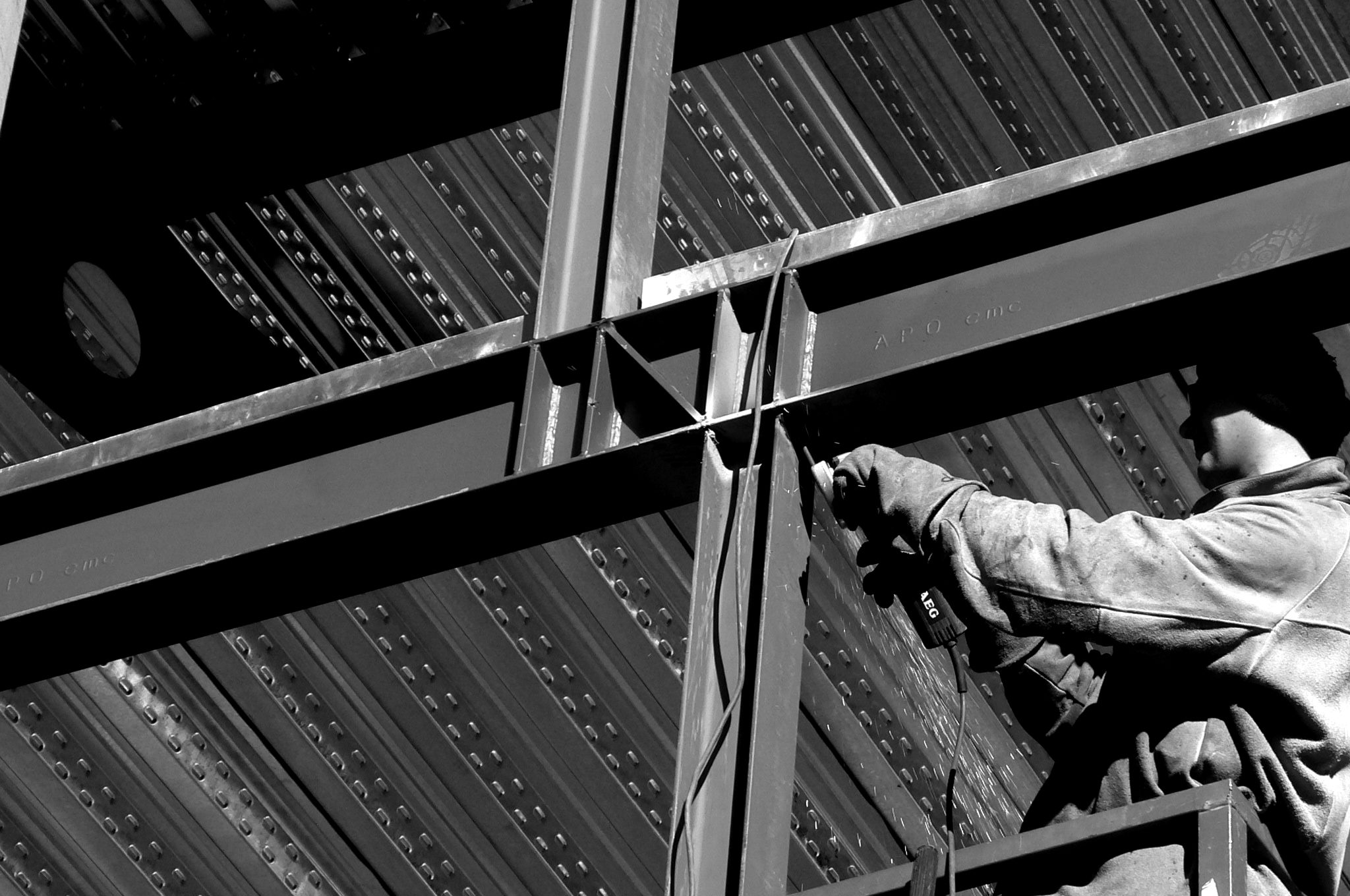
Each one of the six entities composed in the building is embraced by diagonals or steel
crosses stabilizing it.
The perimeter is defined by three main façades: a façade to the street, with two non-conventional pillars, shaped one by one with four thick sheets of iron; a conventional façade with intermediate pillars and a façade to the pedestrian passage where the structure hangs out from the superior floor in order to leave free the ground level for pedestrian use.
The aim of the project is to rebuild from the old parcellation rules, following a geometry that obeys Pere IV Street orientation. The building organizes itself from an optimal distance between blocks locating a series of offices. The results are the three main buildings crossing from Pujades Street to Pere IV. Through the elevations of the building transversal secondary streets appear between the three structures, as if they were passages illuminating the interior spaces of the offices.
Consequently, the volumetry presents some doubts about its alignment with the passage or the street courtyard and in relation to the existing industrial building on Pamplona Street. That’s the reason why the building reacts and overflies the old construction on the upper floors. The spatial complexity is broken into a middle point between the main streets. A transversal axe provides vertical access with stairs, elevators and vertical pipe and metallic duct installations.
Each one of the six entities composed in the building is embraced by diagonals or steel
crosses stabilizing it.
The perimeter is defined by three main façades: a façade to the street, with two non-conventional pillars, shaped one by one with four thick sheets of iron; a conventional façade with intermediate pillars and a façade to the pedestrian passage where the structure hangs out from the superior floor in order to leave free the ground level for pedestrian use.
Overview
Construction
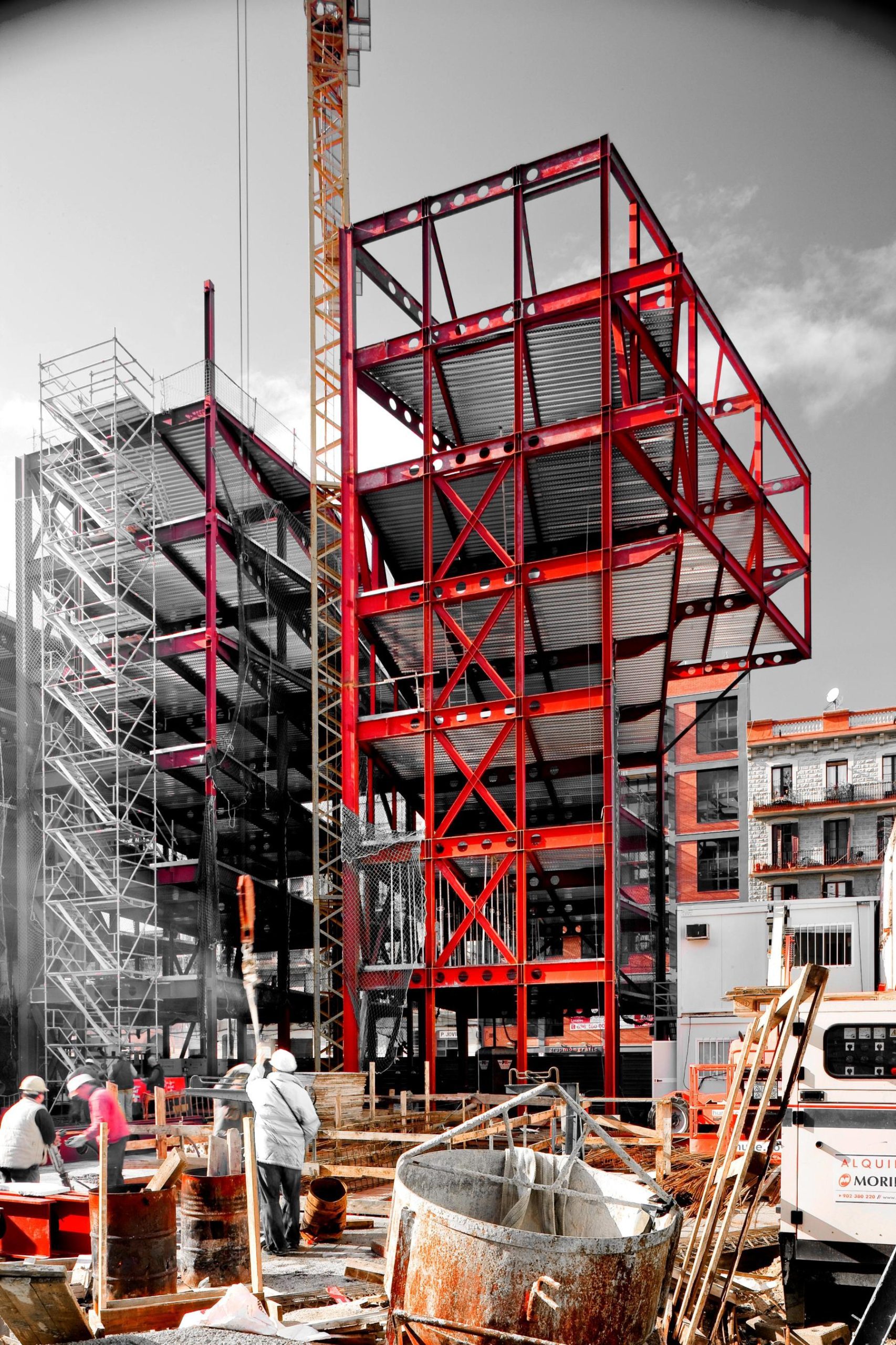
The aim of the project is to rebuild from the old parcellation rules, following a geometry that obeys Pere IV Street orientation. The building organizes itself from an optimal distance between blocks locating a series of offices. The results are the three main buildings crossing from Pujades Street to Pere IV. Through the elevations of the building transversal secondary streets appear between the three structures, as if they were passages illuminating the interior spaces of the offices.
Consequently, the volumetry presents some doubts about its alignment with the passage or the street courtyard and in relation to the existing industrial building on Pamplona Street. That’s the reason why the building reacts and overflies the old construction on the upper floors. The spatial complexity is broken into a middle point between the main streets. A transversal axe provides vertical access with stairs, elevators and vertical pipe and metallic duct installations.
Each one of the six entities composed in the building is embraced by diagonals or steel
crosses stabilizing it.
The perimeter is defined by three main façades: a façade to the street, with two non-conventional pillars, shaped one by one with four thick sheets of iron; a conventional façade with intermediate pillars and a façade to the pedestrian passage where the structure hangs out from the superior floor in order to leave free the ground level for pedestrian use.
Construction

Concept
Concept


